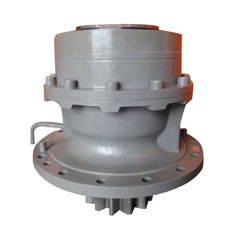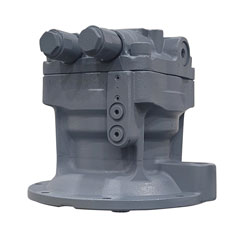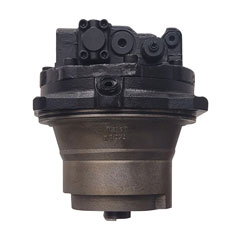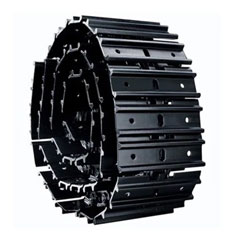

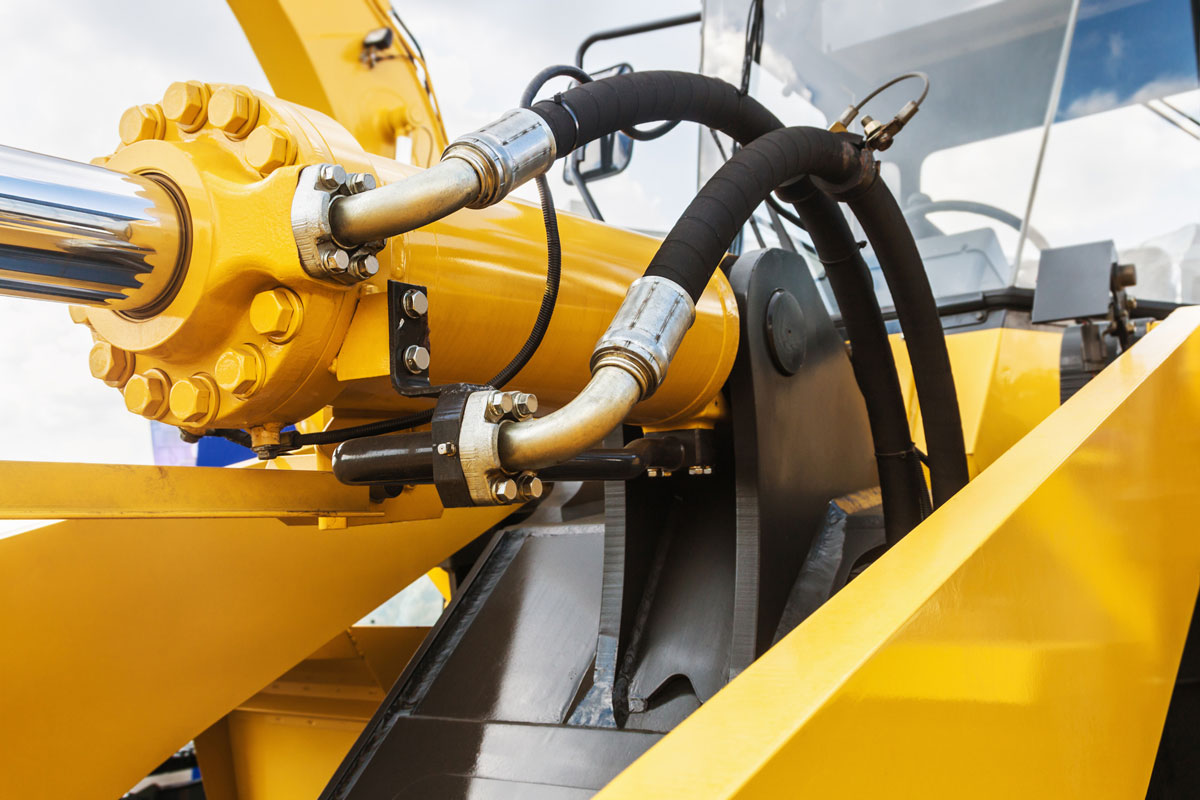
Your excavator is the workhorse of your operation, and at its core lies a complex, powerful hydraulic system. This system acts as the machine’s “heart,” pumping hydraulic fluid to provide the immense pressure and power required for all digging, lifting, and moving tasks. When this vital system experiences issues, it can quickly bring your entire project to a standstill, leading to frustrating delays and significant financial losses.
Understanding the common excavator hydraulic problems, identifying their warning signs, and knowing the necessary diagnostic steps and solutions are crucial for maintaining your equipment’s optimal performance and extending its lifespan. Langley Excavator Parts will help you troubleshoot common hydraulic system issues, offering insights into prevention and when to seek expert assistance for hydraulic system repair.
1. Low Hydraulic Fluid Levels & Contamination
Hydraulic fluid is arguably the most critical component of your excavator’s hydraulic system. Beyond simply transferring power, it lubricates components and dissipates heat, ensuring smooth and efficient operation. Neglecting its condition and level is a surefire path to serious, costly damage.
Diagnostic Steps & Identification:
- Low Fluid Levels: One of the most common causes of issues, insufficient fluid can lead to a noticeable decrease in hydraulic pressure. This forces the hydraulic pump to work harder, generating excessive heat that can damage seals and affect fluid viscosity. Monitor hydraulic fluid temperatures; anything above 82°C (180°F) is a red flag.
- Contaminated Fluid: Dirty hydraulic oil, laden with metal particles, dirt, or water, acts abrasively, much like sandpaper, on internal components such as seals, pistons, and other precision parts. Water contamination is particularly destructive, fostering rust and corrosion within motor housings. Even small amounts of moisture can cause significant long-term damage. Lower-quality fluids may lack the additives needed to withstand high-duty cycles, potentially causing expensive problems.
Prevention & Solutions:
- Regular Fluid Checks: Make checking hydraulic fluid levels a daily or at least weekly routine. Ensure fluids are clean and at the proper level.
- Fluid Analysis and Filtration: Regular hydraulic fluid analysis and maintenance of the filtration system are essential to prevent contamination. This also helps detect impurities early. Replace filters as needed, following manufacturer instructions carefully to avoid contamination during the process.
- Use Correct Fluids: Always use the manufacturer-recommended type, viscosity, and quality of hydraulic fluid. Incorrect viscosity can lead to air gaps, causing components to work harder and break down prematurely. High-quality fluids help prevent thermal and oxidative breakdown and minimize premature wear.
2. Overheating Hydraulic System
An overheating hydraulic system is a critical issue that can rapidly escalate into major component failures. High temperatures, especially during hot summer months or demanding workloads, can cause components to work harder and wear down faster.
Diagnostic Steps & Identification:
- Increased Temperature: The hydraulic fluid should not exceed 82°C (180°F). Sustained higher temperatures damage seal compounds and compromise fluid quality.
- Unusual Sounds: Banging or knocking sounds from the hydraulic pump indicate air or cavitation in the system, which can lead to overheating.
- Decreased Performance: Overheating can cause a noticeable decrease in overall excavator performance.
Prevention & Solutions:
- Maintain Airflow: Keep radiators and oil coolers clean and free of dirt and obstructions to ensure proper airflow. Regular pressure washing can help dislodge embedded dirt from fins.
- Fluid Levels & Quality: Ensure coolant and hydraulic fluid levels are always maintained. Using antifreeze in summer can raise the boiling point of cooling water, further protecting against overheating.
- Proper Lubrication: Utilize high-heat-resistance grease during hot conditions, as regular grease can soften and lose its adhesion and lubrication properties in high temperatures.
- Avoid Overloading: Operating within your excavator’s specified load and speed parameters prevents excessive stress that contributes to overheating.
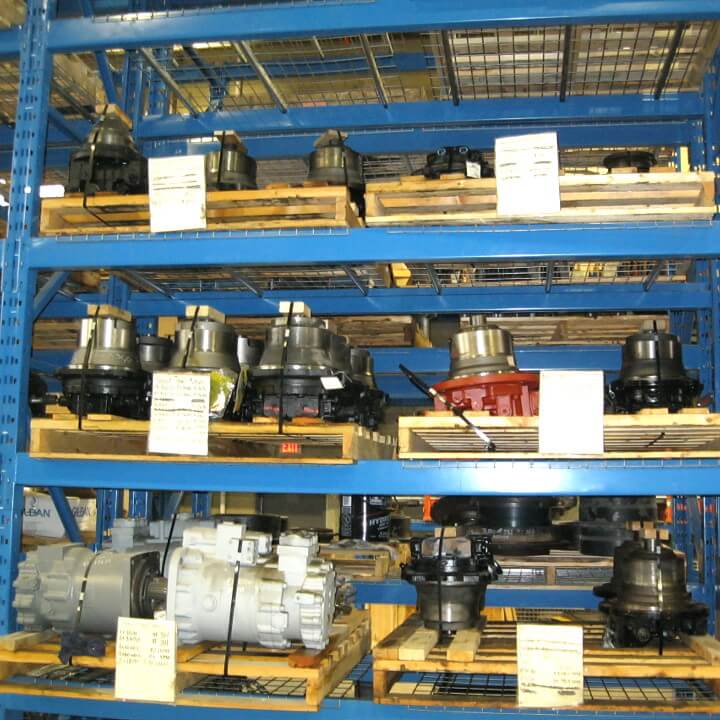
3. The Power Drain: Weak Travel Motor Issues
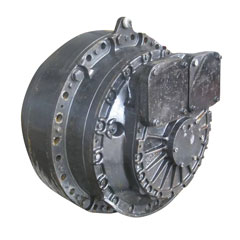
The travel motor is essential for your excavator’s mobility, converting hydraulic pressure into mechanical rotation to drive the tracks. A weakening travel motor can severely hinder productivity.
Diagnostic Steps & Identification:
- Sluggish Movement: Common signs include slow or sluggish forward and reverse movement, difficulty climbing inclines, and jerky or inconsistent travel speed.
- Unusual Noises: Pay attention to any unusual noises during operation, which can signal internal issues.
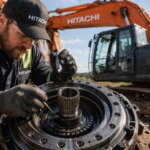
- Visible Leaks: Leaks around the final drive housing or other hydraulic components can indicate a problem.
Prevention & Solutions:
- Address Hydraulic Contamination: As the travel motor is a hydraulic component, contamination is a primary culprit. Regular fluid analysis and filter maintenance are key.
- Proper Fluid Management: Ensure the correct type, viscosity, and quality of hydraulic fluid are used, and maintain adequate fluid levels. Low fluid levels directly contribute to a weak travel motor.
- Monitor Internal Wear: Travel motors contain precision components like pistons, cylinder blocks, and seals that wear over time. While wear is normal, understanding when rebuilding or replacement is necessary is vital.
- Adequate Lubrication: Ensure the final drive gear oil is clean, at the correct level, and changed according to manufacturer specifications (typically every 1,000-2,000 hours, more frequently in severe conditions). Inadequate lubrication accelerates wear.
- Proper Track Tension: Both overly loose or tight tracks can impact travel motor performance and put stress on the final drive. Daily monitoring is recommended, especially in muddy or sandy conditions.
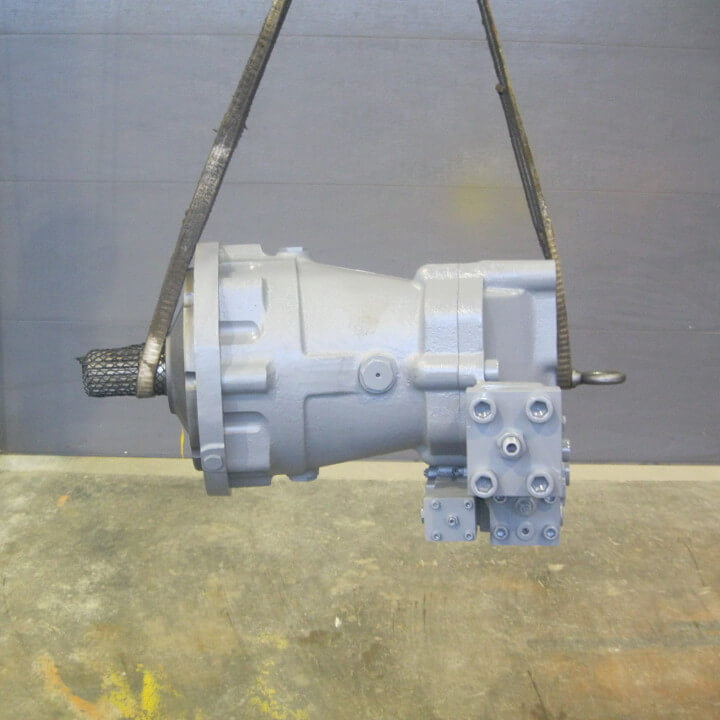
4. Hydraulic Pump Failure Warning Signs
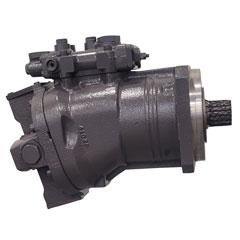
Your excavator’s hydraulic pump is akin to its heart, providing the necessary pressure and power for all functions. A failing pump can be a major source of downtime and expensive repairs. Recognizing warning signs quickly can prevent complete system failure.
Diagnostic Steps & Identification:
- Visible or Internal Leaks: Fluid on the pump’s exterior or a noticeable decrease in excavator performance and hydraulic fluid pressure can indicate a leak.
- Banging and Knocking Sounds: A properly working pump is quiet. Banging and knocking sounds suggest air in the system due to low pressure, leading to cavitation and overheating.
- Increase in Temperature: A pressure drop from a failing pump can cause hydraulic fluid temperatures to rise above 82°C (180°F), damaging seals and affecting fluid quality.
- Weak Final Drive Motor: A lack of hydraulic fluid pressure, often linked to a failing pump, can cause the final drive motor to lose power. Regular checks of hydraulic pressures are advisable.
Prevention & Solutions:
- Act Fast on Leaks: Tightening or replacing a valve or seal quickly can prevent minor leaks from causing more severe damage.
- Address Overheating Immediately: If banging sounds and overheating occur, immediate action is needed to prevent irreparable damage.
- Regular Inspections: Proactive checks can help identify issues like contaminated fluid, low fluid levels, or aeration before they lead to complete pump failure.
5. Worn Internal Components and Seals
Inside your excavator’s hydraulic system, numerous precision-machined components and seals constantly operate under extreme pressure and temperature. Their wear and tear can significantly compromise system efficiency.
Diagnostic Steps & Identification:
- Leaks: Visual inspection for leaks on hoses, lines, cylinders, and around components is crucial.
- Decreased Performance: Deteriorating seals cause internal leakage, leading to pressure loss and reduced power output. This can manifest as sluggish operation.
- Contamination in Fluid: Seal breakdown can introduce contaminants into the hydraulic fluid or allow different fluid types to mix, causing further damage and filter clogging.
Prevention & Solutions:
- Periodic Replacement: Seals, O-rings, lip seals, and gaskets have finite service lives and require periodic replacement to maintain optimal function and pressure. When rebuilding final drives, for instance, expert technicians replace seals and O-rings with new ones.
- Proper Fluid Management: Using the correct, high-quality hydraulic fluid prevents damage to seals from improper viscosity or overheating.
- Visual Inspections: Regularly check seals for any visible damage or leaks, especially those on Rotec bearings, which protect lubrication and prevent contaminant intrusion.
6. The Unexpected Stop: Erratic Failures
Some breakdowns defy easy diagnosis, occurring intermittently and without obvious warning. These “erratic failures” can be particularly challenging and frustrating, often extending downtime.
Diagnostic Steps & Identification:
- Random Occurrences: The primary characteristic is their unpredictable nature, happening under any conditions without prior signs.
- Difficulty Diagnosing: Due to their random nature, identifying the root cause can be complex and time-consuming.
Prevention & Solutions:
- Avoid Overloading Systems: A significant number of erratic failures are attributed to overloading the excavator’s hydraulic or electrical systems. Always use your excavator as it was designed to be used, staying within its operational limits.
- Monitor Software and Diagnostics: Regularly monitor the software components of your excavator and use diagnostic equipment during maintenance to identify potential underlying issues that might lead to these unpredictable failures.
7. Complete Hydraulic System Failure
A complete hydraulic system failure is the most severe hydraulic problem an operator can face, as it can be a sign of catastrophic internal damage. This issue is characterized by multiple hydraulic functions failing simultaneously. This is often caused by a main pump failure or severe contamination of the hydraulic fluid.
Diagnostic Steps & Identification:
- Main hydraulic fuse: If your machine is equipped with one, this should be the first thing you check. A blown fuse could be the source of the problem.
- Engine RPM: Ensure the engine is reaching its proper operating speed, as the hydraulic pump’s performance is tied to engine speed.
- Main relief valve: This valve protects the system from excessive pressure. A faulty relief valve could be preventing pressure from building up.
- Hydraulic fluid: The presence of metal contamination in the fluid is a critical diagnostic sign. It indicates that a component, such as a pump or motor, has failed internally.
- Pump drive coupling: This component connects the engine to the hydraulic pump. A broken or damaged coupling will prevent the pump from turning, causing a complete loss of hydraulic power.
Prevention & Solutions:
- Deal with metal contamination: If metal is found in the hydraulic fluid, it signifies internal component failure. This requires a complete system flushing and rebuilding of all affected components, not just a simple repair.
- Replace pump drive coupling: A pump drive coupling failure is a less severe issue, but still results in total system failure. The solution is to immediately replace the coupling.
- Replace the hydraulic fluid and all filters: After any major component failure, always replace the hydraulic fluid and all filters to prevent residual contamination from causing further damage.
Why Choose Langley Excavator Parts Exchange for Your Hydraulic Needs
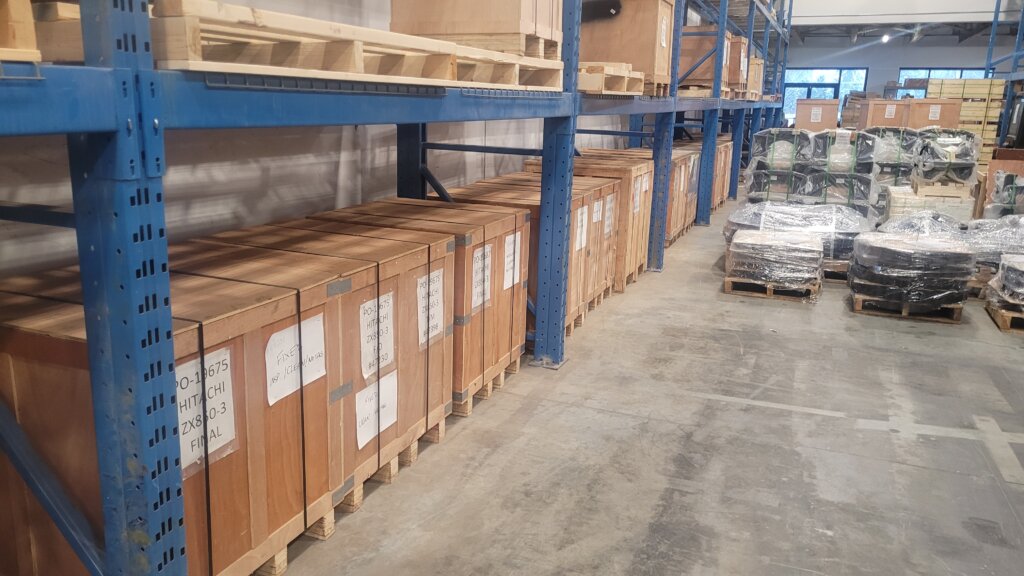
When facing excavator hydraulic problems or requiring hydraulic system repair, quick access to reliable, high-quality parts is paramount. Langley Excavator Parts has been a leader in the excavator parts marketplace since 1977, focusing exclusively on sourcing and shipping reliable parts for Hitachi, John Deere, Caterpillar, Volvo, and Link-Belt excavators.
Here’s why you should turn to Langley Excavator Parts:
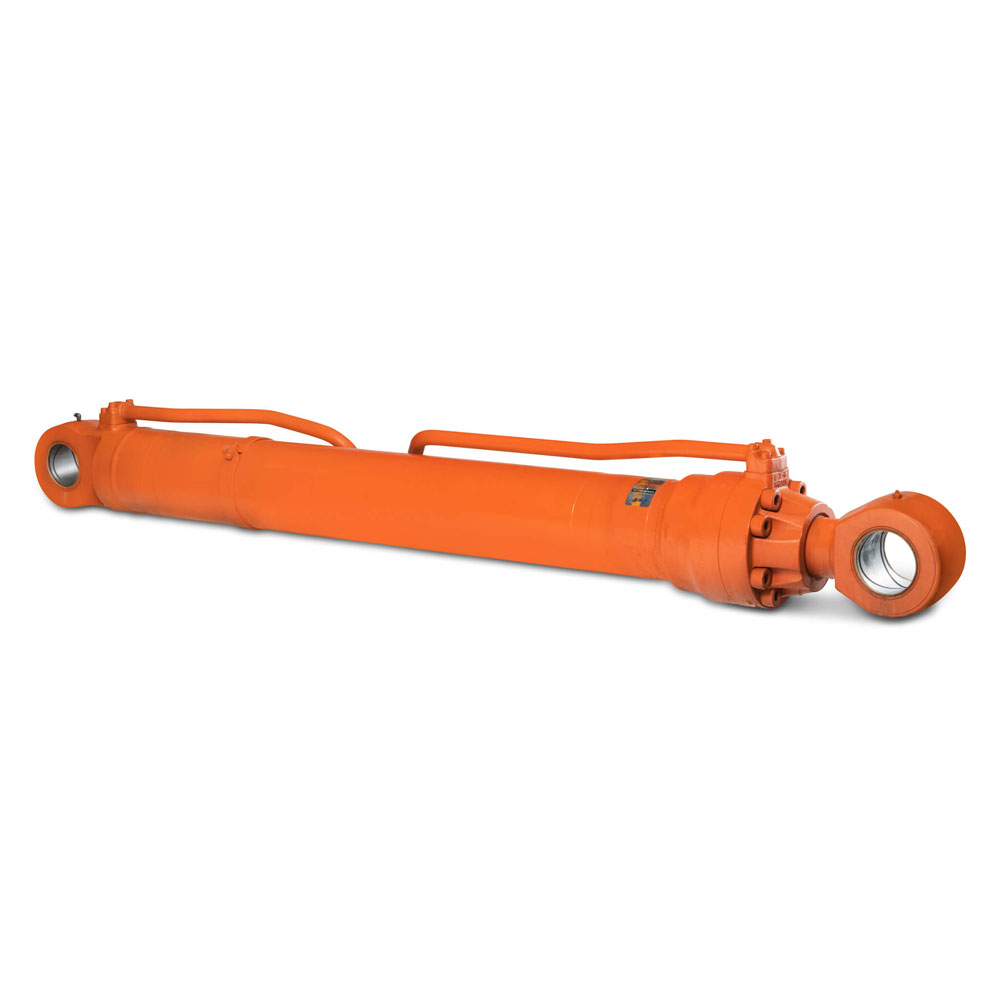
- Extensive Inventory: We boast one of North America’s largest and most diverse inventories of new, rebuilt, and refurbished excavator components, including crucial hydraulic pumps, motors, valves, and cylinders. We stock parts for a wide range of models, from 20-ton excavators to the largest mining shovels.
- Unrivalled Expertise: Our team comprises experienced and knowledgeable staff with mechanical backgrounds and decades of hands-on experience, providing a deep understanding of excavator components and ensuring you get the right part every time.
- Commitment to Quality: We deliver consistently high-quality factory replacement parts that undergo thorough pre-delivery inspection before shipping. Our parts are built to the industry’s highest standards, combining world-class engineering with local parts expertise.
- Minimize Downtime: Our primary goal is to get you the parts you need quickly, minimizing costly downtime and helping you maintain your work schedule.
- Customer-Focused Service: Consistently rated as a top company for customer service, we are dedicated to solving business owner challenges and adapting our services to deliver the right product efficiently. We even offer custom-built pallets for safe and secure shipping, absorbing the increased costs to ensure your components arrive undamaged.
Don’t let excavator hydraulic problems derail your projects. Proactive maintenance and prompt, effective repairs are essential to protect your investment.
Frequently Asked Questions
Q1. How can I tell if my excavator’s hydraulic fluid is contaminated?
You can often observe a change in the fluid’s appearance, becoming cloudy, dark, or having visible particles. A more reliable method is to schedule an oil sample program for fluid analysis, which can detect impurities and contaminants early. Contaminated fluid can also lead to decreased performance or unusual noises.
Q2. What are the most immediate consequences of low hydraulic fluid levels?
Low hydraulic fluid levels immediately lead to a decrease in hydraulic pressure. This forces the hydraulic pump to work harder, generating excessive heat that can damage seals and compromise the fluid’s viscosity. Over time, this can cause significant wear on components and lead to premature breakdowns.
Q3. How often should I check my excavator’s hydraulic fluid and filters?
It is highly recommended to check your hydraulic fluid levels daily or at least weekly, especially if the excavator is in daily use12…. Filters should be monitored regularly as they accumulate dirt and debris. Always follow your excavator manufacturer’s recommended maintenance intervals for fluid changes and filter replacements to ensure optimal protection and performance.
Q4. Can using the wrong type of hydraulic fluid cause severe damage to my excavator?
Absolutely. Using an incorrect type, viscosity, or quality of hydraulic fluid can lead to several problems. It can reduce efficiency, cause poor lubrication, promote corrosion, and lead to overheating of components. Improper viscosity can create air gaps, forcing components to work harder and causing premature failure. Cheaper, lower-quality fluids may also lack crucial additives for high-duty cycles, resulting in costly issues.
Q5. What is the benefit of conducting regular inspections in addition to scheduled maintenance?
Regular inspections, particularly visual checks, help identify minor issues like leaks, cracks, or unusual wear patterns early on, often before they become major problems. This proactive approach allows for timely repairs, preventing costly downtime and extending the service life of your excavator, even for issues that might not be covered by scheduled maintenance intervals.
Protect Your Investment and Keep Your Operations Running Smoothly
If you’re experiencing excavator hydraulic problems or need hydraulic system repair, don’t wait for a complete breakdown. Contact Langley Excavator Parts in British Columbia, Canada, for expert assistance and high-quality new, rebuilt, or refurbished excavator parts. Our knowledgeable team is ready to help you find the exact hydraulic components you need to reduce costly downtime and protect your bottom line! Call us at 1-888-973-8684 or contact us online to find your excavator parts today!