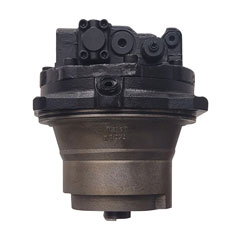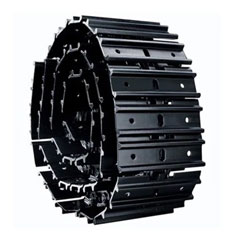


Your excavator’s undercarriage represents one of the most significant operational expenses you’ll face as an equipment owner. Industry estimates suggest that undercarriage components account for roughly half of an excavator’s total maintenance costs over its lifetime. Despite this substantial investment, many operators overlook proper maintenance until catastrophic failure occurs. As you may very well know, a mistake that can cost tens of thousands of dollars in emergency repairs and lost productivity.
The undercarriage system bears the entire weight of your machine while enduring constant exposure to abrasive materials, moisture, and mechanical stress. From track chains and rollers to sprockets and idlers, each component plays a critical role in your excavator’s performance and stability. Understanding common excavator undercarriage problems and implementing proactive maintenance strategies can dramatically extend component life, improve machine efficiency, and protect your bottom line.
Understanding Your Excavator’s Undercarriage System
Before discussing maintenance procedures, it’s essential to understand how your undercarriage system functions. Your excavator’s undercarriage consists of several interconnected components working together to support the machine and facilitate movement:
Track chains form the foundation, comprising interconnected links that distribute weight and provide traction. Sprockets drive the track chain, transferring power from the final drive to create forward and backward motion. Track rollers support the excavator’s weight and guide the track chain along its path, while carrier rollers support the top portion of the track. Idlers maintain proper track tension and guide the chain around the front of the machine.
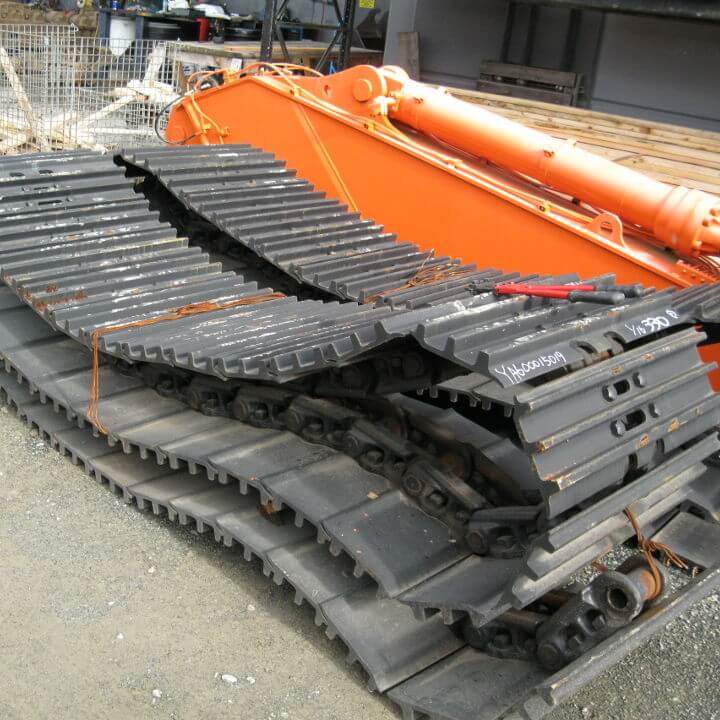
Each component experiences different types of wear depending on operating conditions, machine weight, and working environment. Sandy or rocky terrain accelerates abrasive wear, while muddy conditions can pack debris between components, causing accelerated deterioration. Understanding these relationships helps you identify problems early and take corrective action before minor issues become expensive failures.
Common Excavator Undercarriage Problems and Warning Signs
Recognizing excavator undercarriage problems early is crucial for preventing catastrophic failures. Several warning signs indicate developing issues that require immediate attention:
- Excessive track wear manifests as thinning link plates, worn bushings, or elongated pin holes. When track pitch increases beyond manufacturer specifications, typically one to two per cent elongation, replacement becomes necessary to prevent sprocket damage and operational inefficiency.
- Sprocket tooth wear occurs when hardened teeth begin showing a hooked or shark-fin appearance. This condition indicates advanced wear that will rapidly accelerate track chain deterioration if not addressed promptly.
- Roller and idler failures often announce themselves through unusual noises, including grinding, squealing, or rumbling sounds during operation. Leaking seals, flat spots on roller surfaces, or excessive wobbling signal imminent failure requiring immediate replacement.
- Track tension problems represent another common issue. Tracks that are too loose increase the risk of derailment and cause accelerated wear on drive components. Conversely, overtightened tracks place excessive strain on the entire undercarriage system, reducing component life and increasing fuel consumption.
Excavator Undercarriage Troubleshooting: Diagnostic Steps
Effective excavator undercarriage troubleshooting begins with systematic inspection and measurement. Follow these diagnostic steps to identify problems accurately:
Step 1: Visual Inspection
Walk completely around the machine, examining both sides of the undercarriage. Look for obvious damage, missing bolts, cracked welds, or leaking seals. Check for mud and debris packed between components, as this accelerates wear significantly.
Step 2: Track Wear Measurement
Measure track pitch using a tension gauge or by counting links across a specific distance. Compare measurements to manufacturer specifications. Examine link plates for cracks, particularly at stress points near pin bosses. Industry data indicates that track cracks typically begin appearing after 3,000 to 4,000 operating hours in average conditions, though abrasive environments can reduce this significantly.
Step 3: Sprocket Evaluation
Inspect sprocket teeth for even wear patterns. Asymmetric wear indicates misalignment or other mechanical issues requiring investigation. Measure tooth height and compare it to specifications – replace sprockets when teeth wear to 50 per cent of their original height.
Step 4: Roller and Idler Assessment
Spin each roller and idler by hand, feeling for rough spots, resistance, or play. Check for leaking oil seals, which appear as dark stains around the roller ends. Listen for unusual noises during operation, as bearing failure often produces distinctive sounds before visual damage appears.
Step 5: Tension Verification
Check track tension according to manufacturer procedures, typically measuring sag at the midpoint between rollers. Proper tension varies by machine size and manufacturer, but generally allows 1 to 2 inches of sag for mid-sized excavators.
Step 6: Alignment Check
Observe track alignment during straight-line operation. Misalignment causes premature wear and may indicate bent track frames, damaged components, or improper installation.
Part Identification: Knowing What Needs Replacement
Accurately identifying worn or damaged undercarriage components is essential for ordering correct replacement parts and maintaining machine performance. Understanding when components require replacement versus simple adjustment prevents unnecessary expenses while avoiding premature failures.
- Track chain assemblies need replacement when pitch elongation exceeds manufacturer limits – typically 2 per cent for standard applications. Inspect link plates for cracks, which compromise structural integrity and can lead to sudden failure. Severe bushing wear, indicated by exposed metal surfaces or significant play between pins and bushings, also necessitates replacement.
- Sprockets should be replaced when the tooth profile deviates significantly from original specifications. A useful rule of thumb: replace sprockets at every second track chain replacement to maintain optimal engagement and prevent accelerated wear.
- Track rollers and carrier rollers require replacement when seals fail, bearings become noisy or rough, or roller surfaces develop flat spots or significant wear grooves. Waiting until complete failure occurs risks catastrophic damage to track frames and other components.
- Idlers and track adjusters need attention when adjustment mechanisms fail, seals leak, or mounting components show excessive wear or damage. Front idler wheels should be replaced when flanges wear thin or wheel surfaces become grooved.
When sourcing replacement parts, OEM components ensure proper fit and performance, while quality rebuilt and refurbished parts offer cost-effective alternatives for budget-conscious operators. Always verify part numbers against machine serial numbers to ensure compatibility.
Prevention Tips: Maximizing Undercarriage Life
Proactive maintenance dramatically extends undercarriage component life and reduces total ownership costs. Implement these prevention strategies to maximize your investment:
Daily Cleaning
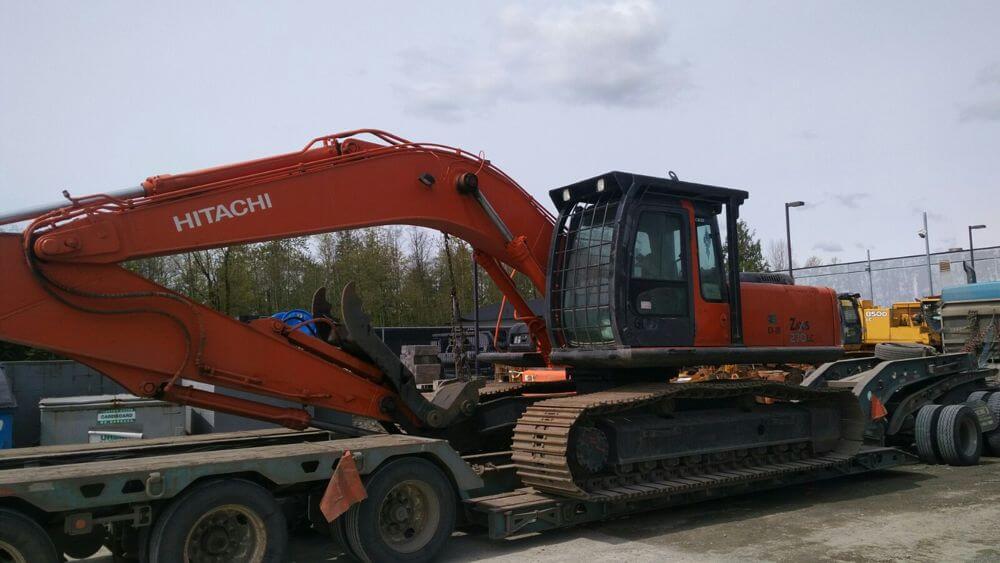
Remove packed mud, debris, and foreign material from the undercarriage at day’s end. Accumulated debris accelerates wear by holding moisture against components and preventing proper lubrication flow. High-pressure washing proves most effective, paying particular attention to areas between track links and around rollers.
Regular Tension Adjustment
Check and adjust track tension weekly or more frequently in demanding applications. Seasonal temperature changes affect tension significantly – tracks tighten in cold weather and loosen when warm. Maintain manufacturer-recommended specifications to prevent premature wear and operational problems.
Operating Technique
Avoid excessive high-speed travel, particularly on rough terrain. Minimize reverse operation when possible, as backward movement creates unusual wear patterns on sprockets and rollers. Reduce sharp turns and pivot operations, which dramatically increase track wear rates, in fact, some
Load Management
Operating within your machine’s rated capacity prevents unnecessary stress on undercarriage components. Overloading accelerates wear on all components and can cause premature failures requiring expensive repairs.
Regular Lubrication
Maintain proper lubrication on all grease fittings according to manufacturer schedules. Track pin and bushing systems particularly benefit from regular lubrication, which can extend component life significantly.
Pattern Tracking
Keep detailed maintenance records tracking hours, conditions, and component replacement. This data helps predict future maintenance needs and identify patterns that may indicate operational or environmental factors affecting component life.
Maintenance Schedule: Creating Your Undercarriage Care Plan
Establishing a structured maintenance schedule transforms reactive repairs into proactive care, substantially reducing total ownership costs and unexpected downtime. Tailor this framework to your specific operating conditions and manufacturer recommendations:
- Daily Checks: Perform visual inspections before starting work and clean the undercarriage thoroughly at day’s end. Look for obvious damage, leaking seals, or missing hardware. Remove accumulated debris that accelerates wear and harbours moisture.
- Weekly Maintenance: Check track tension and adjust as necessary. Inspect sprocket teeth for damage or unusual wear patterns. Verify that all grease fittings are intact and components are properly lubricated.
- Monthly Evaluations: Conduct detailed measurements of track pitch and sprocket wear. Inspect all rollers and idlers for seal leaks, unusual play, or surface damage. Document findings to track wear progression over time.
- Quarterly Reviews: Measure and record track, roller, and sprocket wear metrics. Analyze trends to predict component replacement timing. Schedule any necessary repairs during planned downtime to minimize operational impact.
- Annual Overhaul Planning: Review accumulated data to forecast major component replacements needed in the coming year. Budget accordingly and schedule work during seasonal slow periods when possible.
Consistent adherence to this schedule catches developing problems early when repairs cost less and cause minimal disruption. The time invested in regular inspection pays substantial dividends in extended component life and reduced emergency repair expenses.
Protect Your Investment Through Proactive Care
Your excavator’s undercarriage represents a substantial investment that directly impacts machine performance, operational costs, and your business profitability. While undercarriage maintenance may seem like an added expense during busy periods, the alternative – catastrophic failures requiring emergency repairs and extended downtime – costs far more in lost productivity and expensive crisis management.
By implementing systematic inspection procedures, addressing excavator undercarriage problems promptly, and partnering with reliable parts suppliers like Langley Excavator Parts, you take control of maintenance costs rather than letting deferred care control you. Quality replacement components, expert guidance, and proactive maintenance strategies combine to maximize undercarriage life and minimize total ownership costs.
Don’t wait until minor wear becomes a major failure. Take action today to protect your equipment and your bottom line.
Understanding Undercarriage System Repair Options
When excavator undercarriage problems progress beyond preventive maintenance, understanding repair options helps you make informed decisions balancing cost and performance.
Component Replacement
Component replacement represents the most common repair approach. Replacing individual worn components – sprockets, rollers, or idlers – while other parts remain serviceable minimizes immediate costs. However, this strategy requires careful evaluation to ensure the remaining components won’t fail shortly after investment in new parts.
Complete Track Group Replacement
Complete track group replacement involves replacing all major components simultaneously: track chains, sprockets, rollers, and idlers. While initially more expensive, this approach ensures matched component wear rates and often proves more economical long-term by minimising labour costs and reducing multiple shutdown periods.
Rebuilt and Refurbished Options
Rebuilt and refurbished options provide middle-ground solutions. Quality rebuilt components undergo thorough inspection, worn parts replacement, and testing to restore original performance specifications at substantially reduced costs compared to new OEM parts. Refurbished components offer similar benefits, making quality undercarriage maintenance accessible for operations with tighter budgets.
Chain Turning and Bushing Turning
Chain turning and bushing turning extend track chain life by repositioning components to utilize unworn surfaces. This interim solution adds operational hours before complete replacement becomes necessary, though it’s only viable when the overall component condition remains acceptable.
Selecting the appropriate repair strategy depends on machine age, expected remaining service life, budget constraints, and operational requirements. Consulting with experienced parts specialists helps identify the most cost-effective approach for your specific situation.
Why Choose Langley Excavator Parts for Your Undercarriage Needs
When excavator undercarriage problems require replacement components, partnering with a knowledgeable, reliable supplier makes all the difference. For over 40 years, Langley Excavator Parts, in British Columbia, Canada, has built its reputation on providing quality excavator parts backed by expertise and exceptional customer service.
Comprehensive Inventory
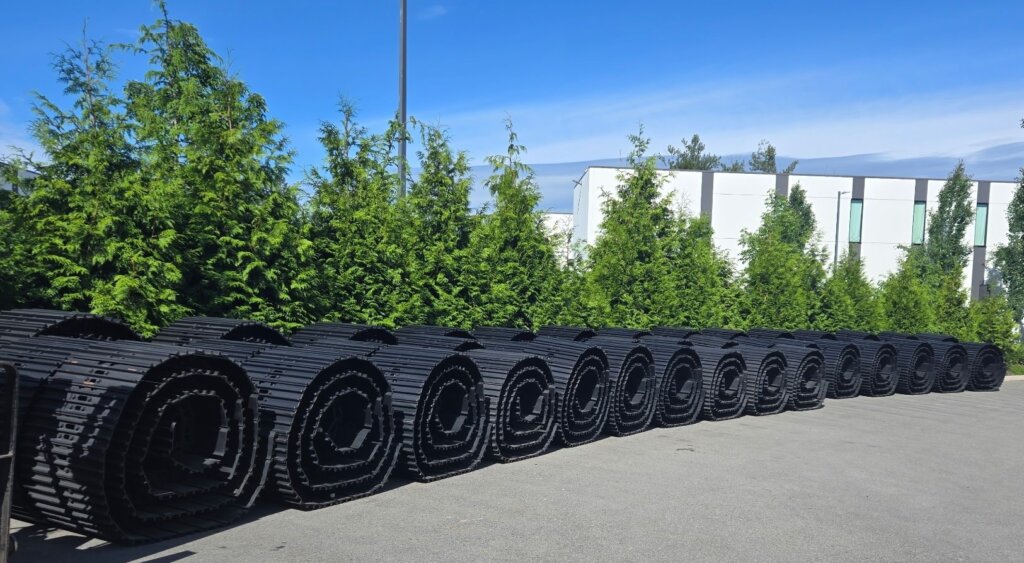
Langley Excavator Parts maintains an extensive stock of undercarriage components for major excavator brands, including Hitachi, John Deere, Caterpillar, Volvo, and Link-Belt machines. Whether you need sprockets, track link assemblies, track chains, rollers, idlers, or complete suspension components, you’ll find what you need to keep your equipment operating.
Quality Options for Every Budget
Understanding that different operations have different needs and constraints, Langley offers new OEM parts, quality rebuilt components, and refurbished undercarriage parts. Each option undergoes rigorous quality verification to ensure reliable performance, giving you confidence in your investment regardless of which tier you select.
Expert Guidance
The team at Langley Excavator Parts brings decades of combined experience in heavy equipment parts and maintenance. We can help you accurately identify required components, suggest cost-effective solutions, and provide installation guidance to ensure proper fit and function.
Trusted Manufacturing Partners
All components come from tried and tested manufacturers with proven track records for quality and reliability. This commitment to quality sourcing means you receive parts that meet or exceed original equipment specifications, protecting your machine and your investment.
Fast, Reliable Service
Downtime costs money. At Langley Excavator Parts, we understand the urgency of getting your equipment back to work and maintaining streamlined processes to expedite order fulfilment and delivery.
Whether you’re performing routine maintenance or responding to unexpected failures, Langley Excavator Parts provides the parts, expertise, and service you need to keep your excavators productive and profitable.
Take Action Now: Contact Langley Excavator Parts
Ready to address your excavator undercarriage needs? Our experienced team at Langley Excavator Parts is standing by to help you find exactly what you need to keep your equipment running strong. Whether you’re planning routine maintenance or responding to unexpected problems, we have the parts, expertise, and commitment to service that keeps your operation moving forward.
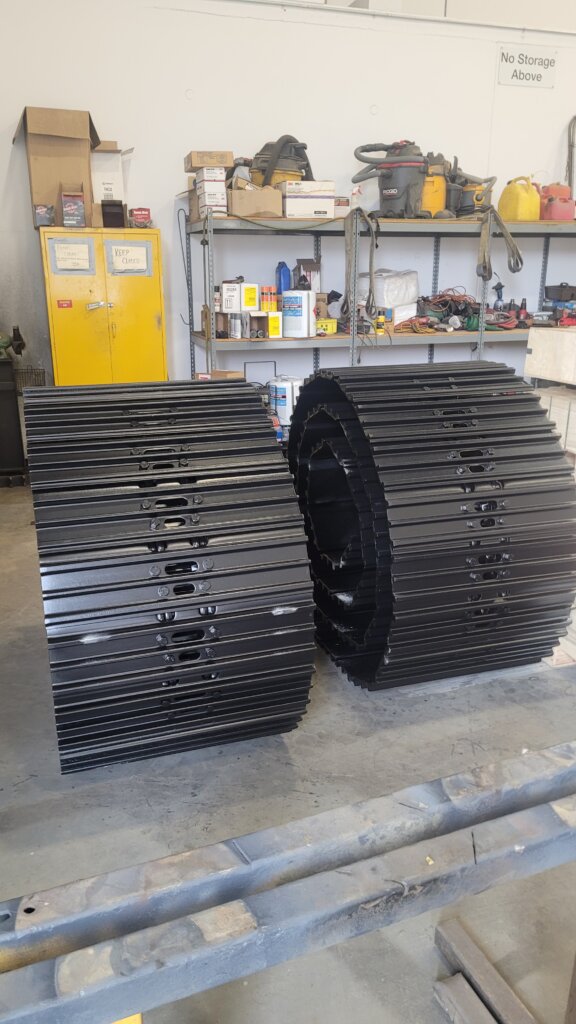
Contact Langley Excavator Parts today to discuss your undercarriage parts requirements. Our knowledgeable staff will help you identify the right components, explain your options, and provide competitive pricing on new OEM, rebuilt, and refurbished parts from manufacturers you trust.
Your excavator works hard for you, give it the quality parts and professional care it deserves. Contact Langley Excavator Parts now and experience the difference that expertise and commitment make.
Frequently Asked Questions
Q1. How often should I replace my excavator’s track chains?
Track chain replacement timing depends heavily on operating conditions, maintenance practices, and machine usage. In moderate conditions with proper maintenance, track chains typically last between 4,000 and 6,000 operating hours. However, abrasive environments like rock quarries or demolition sites can reduce this to 2,000 to 3,000 hours, while well-maintained machines in favorable conditions may achieve 8,000 hours or more. The key indicator for replacement is track pitch elongation – when stretch exceeds 2 percent of original specifications, replacement becomes necessary regardless of hours to prevent sprocket damage and maintain safe operation.
Q2. What causes one side of my excavator’s undercarriage to wear faster than the other?
Uneven undercarriage wear typically indicates operational or mechanical issues requiring attention. Common causes include misalignment of track frames or components, bent or damaged track frames from impacts, operating consistently on slopes or uneven terrain, frequent turning in the same direction, or uneven track tension between sides. Identifying and correcting the root cause is essential – simply replacing worn components without addressing underlying problems results in repeated premature failure. A thorough inspection by qualified technicians can identify alignment issues or damage contributing to asymmetric wear patterns.
Q3. Are rebuilt undercarriage parts as reliable as new OEM components?
Quality rebuilt undercarriage parts from reputable suppliers offer reliable performance at substantially reduced costs compared to new OEM components. The rebuilding process involves complete disassembly, thorough inspection, replacement of all worn components with new parts, precision machining of reusable elements, and comprehensive testing to verify performance meets original specifications. When sourced from established suppliers like Langley Excavator Parts that stand behind their products, rebuilt components provide excellent value and dependable service. The key is working with suppliers who maintain rigorous quality standards and offer appropriate warranties backing their rebuilt parts.
Q4. How do I know if my excavator’s unusual noise is coming from the undercarriage?
Undercarriage problems typically produce distinctive sounds that differ from hydraulic or engine noises. Grinding or scraping noises during travel often indicate worn track rollers or carrier rollers with failing bearings. Clicking or knocking sounds synchronized with track rotation suggest loose or damaged track components, such as worn pins or bushings. Squealing noises may indicate dry or failing idler bearings. To isolate the source, operate the machine in an open area and have someone walk alongside (at a safe distance) to pinpoint where sounds originate. Metallic rattling when starting or stopping movement often comes from excessive track slack requiring tension adjustment. Any unusual undercarriage noises warrant immediate investigation, as small problems quickly escalate to expensive failures.
Q5. What’s the most important factor in extending undercarriage life?
While all maintenance practices contribute to undercarriage longevity, keeping components clean consistently ranks as the most impactful factor under operator control. Daily removal of packed mud, debris, and foreign material prevents abrasive particles from grinding between moving parts, allows proper lubrication flow, and prevents moisture retention that accelerates corrosion. Studies have shown that machines operating in muddy conditions with poor cleaning practices can experience undercarriage life reductions of 30 to 50 percent compared to identical machines with rigorous daily cleaning routines. Combined with proper track tension, appropriate operating techniques, and regular inspections, thorough daily cleaning provides the foundation for maximizing your undercarriage investment.