
Your excavator is a powerhouse, built to conquer the most demanding tasks in construction, mining, and forestry. It’s the backbone of your operation, designed for extreme conditions and heavy loads. However, even the most robust machinery is vulnerable to insidious threats that can compromise its integrity and lead to significant financial setbacks: cracks. These seemingly minor imperfections can quickly escalate into major breakdowns, jeopardizing your work schedule, increasing repair costs, and impacting operational safety.
According to experts, American construction companies lose an average of $180,000 per excavator each year due to downtime, with 68% of equipment failures linked directly to poor daily maintenance practices. Understanding crack formation, detection, and prevention isn’t just about maintenance – it’s about protecting your bottom line.
The Hidden Dangers of Excavator Cracks
Excavator cracks, no matter how small or insignificant they may appear, can be potentially dangerous and expensive if not identified and repaired promptly and correctly. What might initially look like a harmless line of grease could, in reality, be the beginning of a crack that will widen and cause failure at the most inconvenient moment.
The immediate danger lies in the sudden and catastrophic failure of a critical component, which can lead to accidents, significant machine damage, and a complete halt to your project. Beyond the safety risks, the financial implications are substantial. Addressing issues early, such as repairing a crack, is far less costly than having to replace major components like an entire boom or stick down the line.
Where Cracks Lurk: Common Vulnerable Areas
Cracks often hide in areas subjected to the most intense stress, impact, and vibration during daily operation. Knowing these vulnerable spots is crucial for effective inspections:
Bucket Corners and Cutting Edge Connections
The excavator bucket experiences the highest stress concentrations during digging operations. Corner areas where side plates meet the bucket floor create natural stress concentration points. These locations endure both impact forces from digging and torsional stresses from side-loading operations. Cracks typically initiate at weld joints where different materials meet or where heat-affected zones have altered material properties.
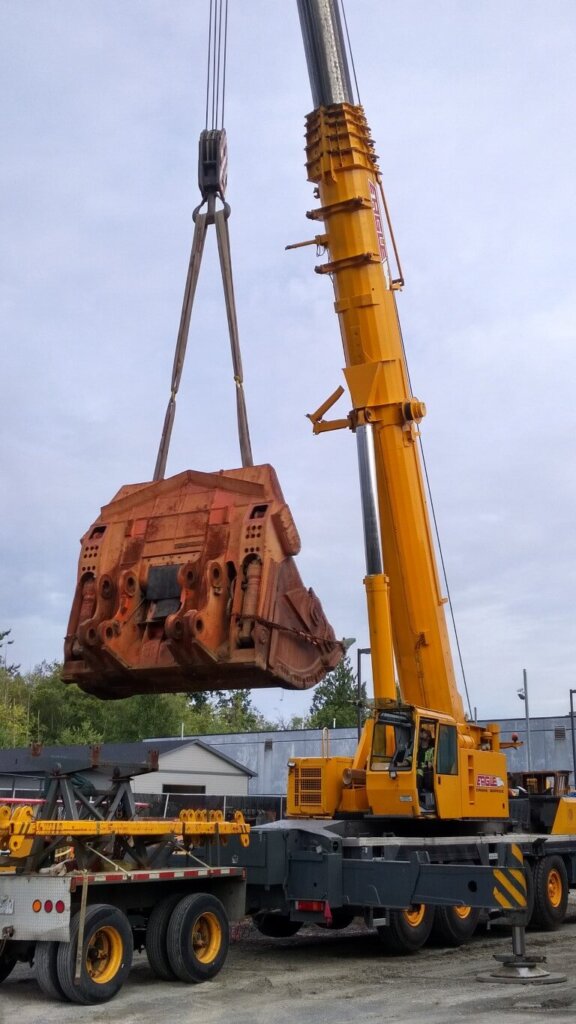
Shank and Tooth Attachment Points
Excavator teeth and shanks absorb tremendous forces during penetration and breakout operations. The connection points between the shanks and the bucket experience concentrated loading that can exceed design limits during aggressive digging. These areas are particularly susceptible to crack formation because they combine high stress concentration with repeated impact loading.
Pin and Linkage Connection Points
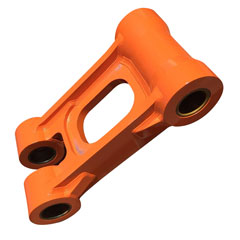
Hydraulic cylinder pins, boom pins, and linkage connections operate under constant loading and unloading cycles. These pivot points experience both rotational forces and linear loading, creating complex stress patterns. Weld seams around pin bosses and attachment points represent areas where different materials meet, creating potential crack initiation sites. The combination of stress concentration and material property variations makes these locations prime candidates for crack development.
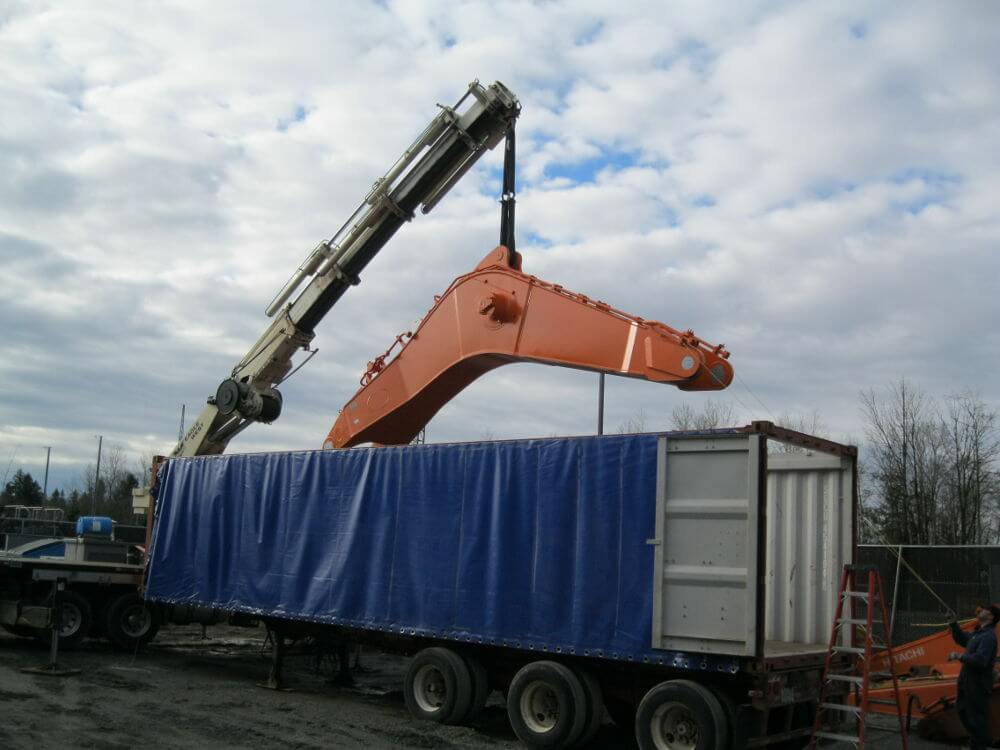
Boom Assembly Critical Zones
The boom assembly carries the weight of the entire attachment plus operational loads during lifting and swinging operations. The top radius of the boom experiences maximum tensile stress during lifting operations, while side welds must resist both bending and torsional forces. The base area and main boom pin mount endure the highest loading in the entire machine structure, making crack detection in these areas absolutely critical for operational safety.
Note: When inspecting a used excavator for purchase, checking these connection points for cracks and bends is a key step to determine the machine’s overall structural integrity.
What Causes Cracks: Understanding the Root Issues
Cracks don’t just appear out of nowhere; they are often the result of underlying stressors and operational factors:
- Impact and Vibration: The nature of excavator work involves constant impact and vibration, which can lead to stress on metal components over time.
- Metal Fatigue: This is a primary culprit. Metal fatigue occurs when components are subjected to strain and stress, leading to weakening, cracks, and eventually fractures.
- Improper Use and Overloading: Operating an excavator beyond its designed limits, overworking the machine, or using it for tasks it wasn’t intended for can exert excessive stress on parts and components. This includes consistently pushing or pulling loads that exceed the excavator’s rated capacity or operating on extremely steep grades. High-impact operations like demolition or rock breaking also place significant stress on components, shortening their lifespan.
- Collisions: Direct physical damage from collisions can immediately cause cracks or weaken structures, making them susceptible to future cracking.
- Corrosion: Excavator parts are constructed from metal and are therefore susceptible to corrosion, especially given the harsh environments they often operate in. Moisture, minerals in soil, dirt, and rust can corrode components. While unavoidable over the machine’s lifetime, corrosion can be slowed through regular cleaning and the application of protective coatings. Corroded metal is weaker and more prone to cracking under stress.

The Role of Metal Fatigue and How to Combat It
Metal fatigue is a critical factor in the development of cracks. Even for excavators designed for the toughest jobs, strain and stress can lead to metal fatigue, resulting in cracks and fractures that weaken the metal and can cause serious and costly equipment failures. This phenomenon occurs when repeated stress cycles cause microscopic flaws to grow into visible cracks over time.
To effectively combat metal fatigue and prolong the service life of your excavator parts, minimizing stress is paramount. This can be achieved through proper and frequent lubrication. All moving excavator parts should always be adequately greased or oiled. When parts move with sufficient lubrication, the strain on all components is minimized, which directly extends their service life.
Consider these lubrication best practices:
Frequency
Grease your excavator’s boom, dipper, bucket, and all pins and bearings. Many manufacturers recommend greasing approximately every 8 hours of operation. Excavators that make rapid or continuous movements may require more frequent lubrication.
Quality of Grease
Use high-quality, heavy-duty, extreme-pressure grease. In hot summer months, grease with high heat resistance is vital, as heat can soften grease, reducing its adhesion properties and lubrication performance. Conversely, in colder temperatures, low-viscosity grease with a thicker release is recommended.
Purge Old Grease
When lubricating, ensure you are purging the old grease, as it will contain contaminants. Continue greasing until you see the old grease squeeze past the seal, rotating the bearings to spread the new grease throughout. You can also rub some of the purged grease between your fingers to check for grit or metal chips, which could indicate a bearing problem.
Gears
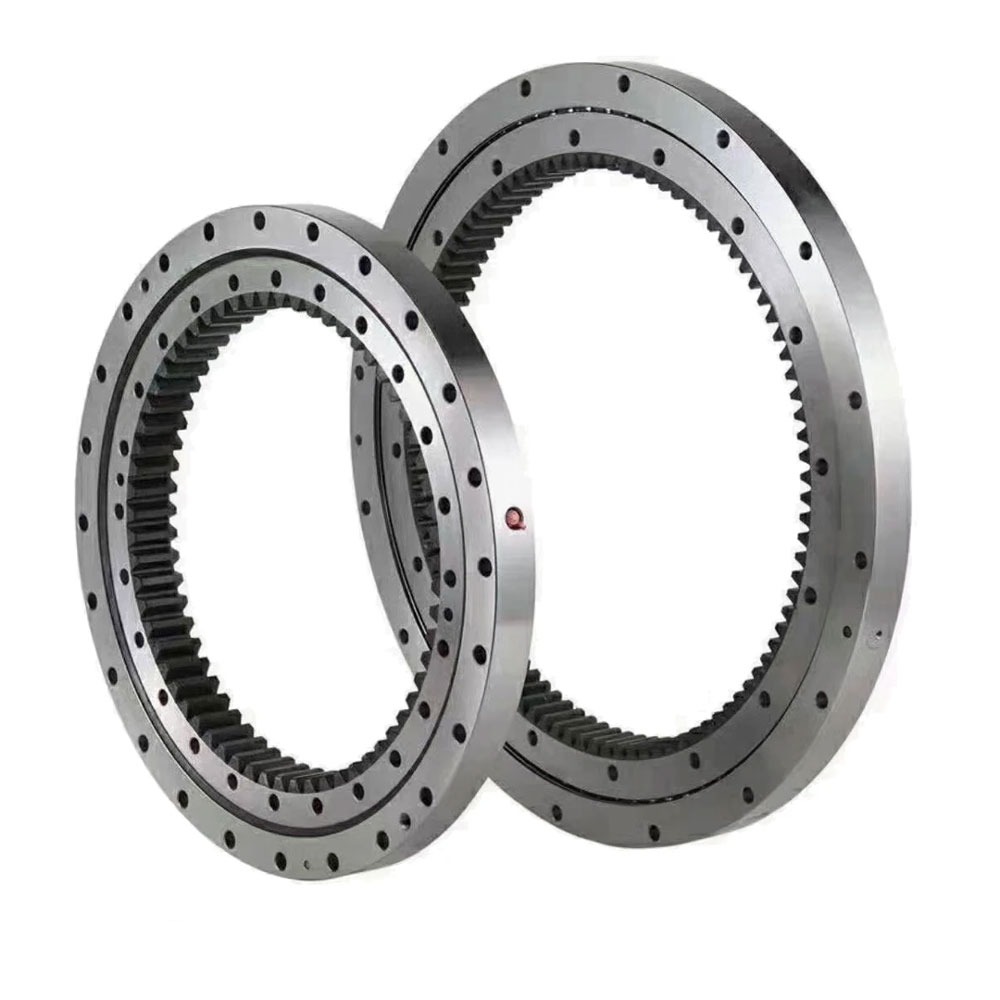
If your excavator’s rotec bearings have gear teeth, they also require lubrication, potentially more frequently than other parts due to the squeezing action of the teeth.
Regular lubrication not only reduces friction and wear, thus mitigating metal fatigue, but also helps shield components from water and moisture, preventing contamination from particles like sand and dirt that could otherwise enter gaps between working parts.
Beyond the Obvious: Indirect Contributors to Cracks
While direct impact or improper use are clear causes of cracks, other operational issues can indirectly contribute by increasing stress and wear on components, making them more susceptible to cracking:
Improper Track Tension
The effectiveness of your travel motor and overall undercarriage health are directly linked to track tension.
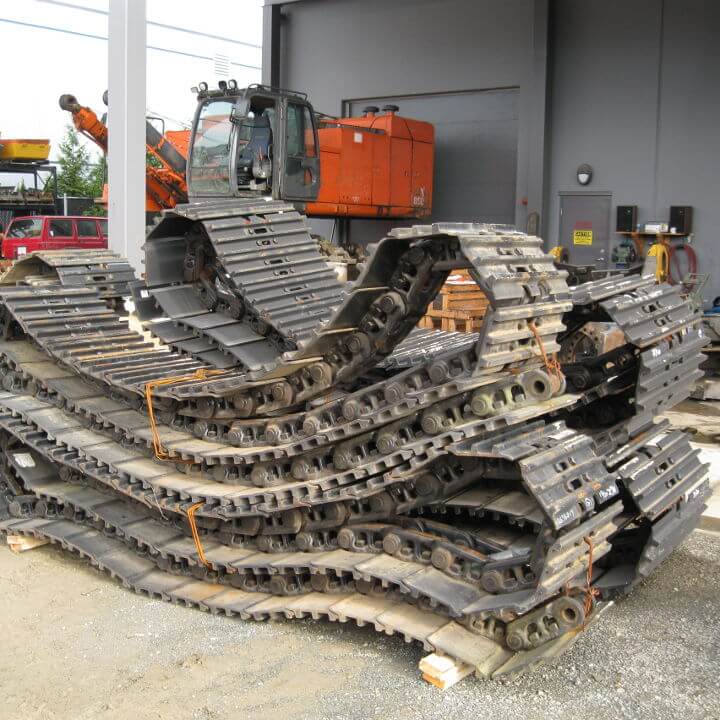
- Too Loose: If tracks are too loose, they can lead to instability, rocking, and may even come off. This causes excessive wear on components such as pins, bushings, and the sprocket, which can resemble final drive issues. The resulting stress can indirectly promote crack formation.
- Too Tight: Tracks that are too tight exert unnecessary pressure on bearings, increase friction, reduce the final drive’s power, and significantly increase fuel consumption. This constant, excessive load puts components under undue stress, accelerating wear and potentially leading to fatigue cracks. Daily monitoring of track tension is essential, especially in muddy or sandy conditions where material can adhere to the undercarriage and increase tension.
Accumulation of Debris and Mud
Leaving mud and debris on tracks and the track frame can damage undercarriage components. This abrasive material acts like sandpaper, increasing wear and stress on the moving parts, which can lead to weaknesses that develop into cracks. It’s best to clean mud from the track frame at the end of each workday while it’s still warm for easier removal.
Overheating and Temperature Extremes
High temperatures, especially during summer, can cause hydraulic oil to “cook,” damaging seals and tarnishing the working surfaces of cylinders and pistons. This impacts efficiency and longevity, making components more vulnerable. Conversely, in cold weather, hydraulic hoses can lose flexibility, leading to cracks or leaks. Maintaining proper fluid levels and ensuring good airflow to radiators and oil coolers are crucial to prevent temperature-related stress.
Fluid Contamination and Low Levels
Dirty hydraulic oil, containing metal particles, dirt, or water, can wear down internal components like seals and pistons, accelerating wear. Water contamination causes rust and corrosion. Low hydraulic fluid levels force components like the hydraulic pump to work harder, generating more heat and increasing fluid temperatures, which can damage seals and affect fluid viscosity. These issues contribute to overall system stress and wear, making parts more prone to fatigue and cracking. Regular hydraulic fluid analysis and filter maintenance are essential.
Proactive Detection: Your Daily Crack Inspection Checklist
The best defence against costly crack-related failures is a vigilant, proactive approach. Daily visual inspections are paramount. Your daily greasing routine provides an excellent opportunity to perform a thorough visual check for any minor cracks.
Develop a comprehensive inspection checklist for your excavator, including checks before starting, after starting, and after shutdown. This checklist should include:
- Visible Damage: Look for any signs of damage, flexing, or corrosion on the boom and arm.
- Leaks: Inspect hydraulic cylinders for leaks. Also, check your excavator’s hydraulic pump, hoses, lines, cylinders, slew ring, and swing area for any leaks.
- Pitting/Cracking: Examine gears for wear, pitting, or cracking.
- Component Movement: Inspect bushings and pins for excessive movement.
- Overall Structural Integrity: Specifically check areas like the bucket corners, pin/linkage points, boom radius, and main boom pin mount.
- Rollers: Ensure all rollers in the undercarriage are turning freely.
Paying close attention to each component and ensuring your machine is in good health is a vital part of proper safety procedures and extending the life of your expensive equipment.
Why Immediate Repair is Crucial
Once a crack is identified, immediate repair is crucial. Even a seemingly small crack can quickly propagate and lead to more severe damage if left unaddressed. Delaying repairs can transform a relatively simple and inexpensive fix into a complex and costly overhaul, potentially requiring the complete replacement of major components like the boom or stick.
By addressing cracks quickly, you can:
- Prevent Escalation: Stop the crack from growing larger and causing more widespread structural damage.
- Minimize Repair Costs: Early detection and repair are significantly less expensive than reacting to a catastrophic failure.
- Reduce Downtime: Proactive repairs can be scheduled at your convenience, minimizing unexpected breakdowns and keeping your work schedule on track.
- Enhance Safety: Repairing structural weaknesses protects operators and prevents potential accidents.
A proper maintenance program can help anticipate and prevent failures, or at least minimize the time needed for repairs if they do occur, keeping you on schedule.
Your Trusted Partner in Excavator Parts: Langley Excavator Parts Exchange Inc.
When your excavator’s components are compromised by wear, stress, or the inevitable development of cracks, knowing where to find high-quality replacement parts quickly is paramount. Langley Excavator Parts has been a leader in the excavator parts marketplace since 1977, initially founded on principles of honesty, integrity, and quality by Jim Blanche. Since 1995, we have focused exclusively on sourcing, rebuilding, fixing, and shipping reliable excavator parts.
Here’s why you should turn to Langley Excavator Parts for your needs:
Extensive Inventory
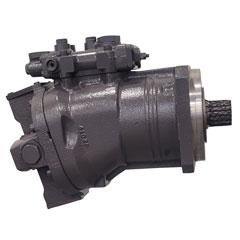
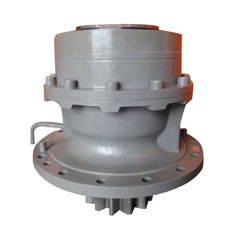
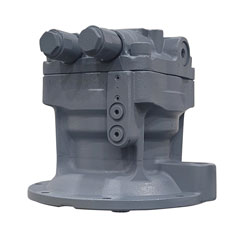
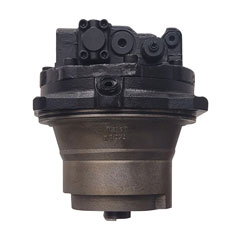
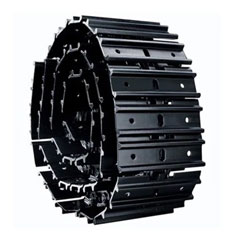
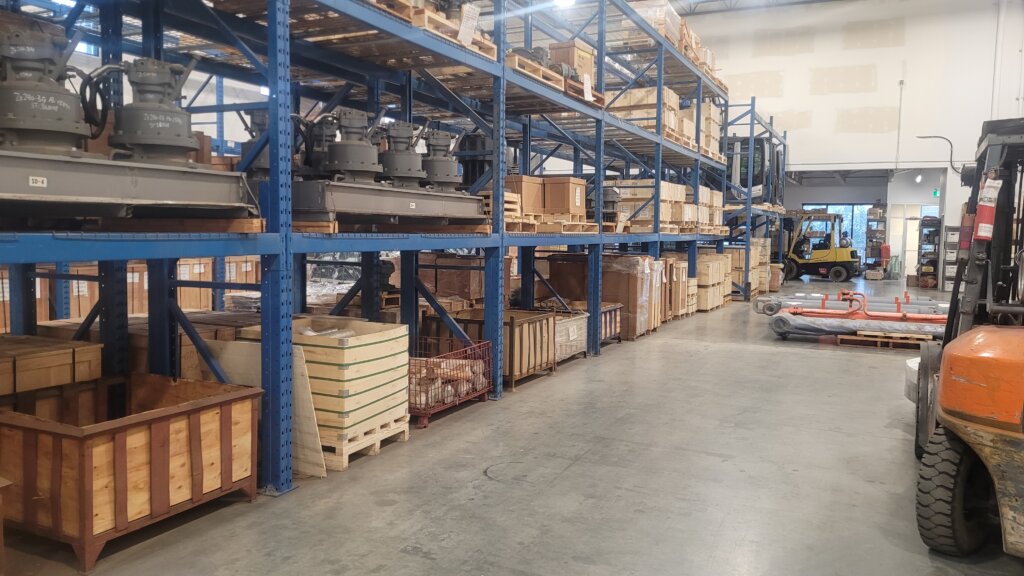
We offer one of the largest and most diverse inventories of new, rebuilt, and refurbished excavator components and parts in North America. Our selection includes a wide range of parts, from 20-ton models up to the largest mining shovels. This comprehensive stock means we can provide components like travel motors, undercarriage parts, final drives, hydraulic pumps, swing motors, and more.
Broad Brand Coverage
We supply parts for John Deere and Hitachi excavators, as well as Caterpillar, Volvo, and Link-Belt. We continually update our inventory to match industry demands.
Expertise and Experience
Our team boasts decades of hands-on experience and mechanical backgrounds, with a deep understanding of excavator components. We pride ourselves on integrity and leadership in the industry.
Unwavering Quality
We prioritize delivering consistently high-quality new excavator components and factory replacement parts, built to the industry’s highest standards. Every part undergoes a thorough pre-delivery inspection before shipping.
Commitment to Minimizing Downtime
Our primary goal is to get you the part you need quickly to get you back to work, minimizing costly downtime. We understand the urgency when machinery fails.
Customer-Focused Service
We are consistently rated as the number one company for customer service, dedicated to solving business owner challenges and adapting our services to deliver the right product.
Reliable Shipping
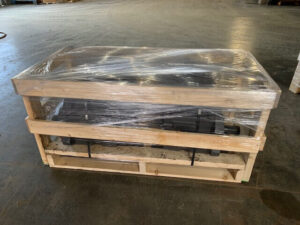
We take great care in shipping, often using custom-built pallets crafted from quality lumber to ensure your components arrive safely and securely, without passing on increased lumber costs to our clients. Our facility in Surrey, British Columbia, Canada, serves clients throughout North America, including Canadian provinces like Manitoba, and ships worldwide.
Don’t Wait for Catastrophic Failure – Take Action Today
Cracks on excavator parts are a serious concern that can lead to significant safety risks, expensive repairs, and disruptive downtime. By understanding their causes, from metal fatigue due to stress and vibration, to the indirect impacts of improper maintenance, track tension, debris, and temperature extremes, you can take proactive steps to protect your valuable equipment. Regular inspections are your most powerful tool in early detection, allowing you to address issues before they escalate.
When the need for replacement parts arises, don’t let a crack halt your progress! Turn to a trusted expert that prioritizes quality, speed, and customer service.
Contact Langley Excavator Parts Exchange Inc.
For expert assistance in finding new, rebuilt, and refurbished excavator parts, including crucial components like a travel motor for your Hitachi, John Deere, Caterpillar, Volvo, or Link-Belt excavator, contact Langley Excavator Parts in Langley Twp, British Columbia, Canada. Our experienced and knowledgeable staff are equipped to help you find precisely what you need to keep your excavator working optimally and protect your bottom line.
Call us toll-free today at 1-888-973-8684 or contact us online to get your excavator back in peak condition!
Frequently Asked Questions (FAQ)
Q1. How often should I check my excavator for cracks?
You should check your excavator for cracks daily. Incorporating a visual inspection into your daily greasing routine is a great opportunity to identify any minor cracks that may be forming.
Q2. Can I prevent cracks through operational technique modifications?
Yes, operational techniques significantly impact crack development. Avoid aggressive digging angles, minimize side-loading forces, reduce impact intensity when possible, and maintain consistent operating speeds. Proper operator training can reduce crack formation significantly through technique optimization and equipment abuse prevention.
Q3. Can a small, hairline crack lead to a major problem on an excavator?
Absolutely. Even seemingly insignificant hairline cracks can be potentially dangerous and expensive if not addressed quickly and properly. A small crack can propagate over time due to continued stress and vibration, potentially leading to a catastrophic component failure and requiring costly replacements like an entire boom or stick.
Q4. What’s the difference between surface cracks and structural cracks?
Surface cracks affect only the outer material layer and may be caused by paint failure, minor impact damage, or superficial stress. Structural cracks penetrate deeper into load-bearing material and pose immediate safety risks. Any crack that affects weld joints, critical attachment points, or load-bearing surfaces should be treated as structural and require immediate professional evaluation.
Q5. How much does crack repair typically cost compared to component replacement?
Professional crack repair costs typically range from $500-$2,000, depending on crack location and severity. Component replacement costs vary widely but can exceed $5,000-$15,000 for major structural elements. Early detection and repair provide substantial cost savings compared to complete component replacement or catastrophic failure scenarios.