
When it comes to excavator maintenance, few issues are as deceptive or destructive as final drive leaks. That small puddle of hydraulic fluid beneath your machine might seem like a minor inconvenience, but it’s actually an urgent warning sign that could save you from catastrophic equipment failure and tens of thousands of dollars in repair costs. Whether you’re operating a Hitachi, John Deere, Caterpillar, Volvo, or Link-Belt excavator, understanding final drive leaks and taking immediate action is essential to protecting your investment and maintaining operational efficiency.
Final drives are among the most critical components in your excavator’s undercarriage system. These precision-engineered hydraulic motors convert hydraulic pressure into the mechanical power that moves your machine. When they leak, the consequences extend far beyond the loss of hydraulic fluid. We’ll explore why final drive leaks demand your immediate attention, how to identify them early, and why choosing genuine excavator parts from a trusted supplier like Langley Excavator Parts can make the difference between a quick fix and a costly breakdown.
Identifying Final Drive Leaks: Don’t Look Away
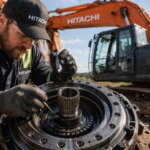
One of the most common and dangerous signs of an impending failure is the presence of a leak. Hydraulic fluid or gear oil leaks can be visible on the exterior of the final drive housing, or they may occur internally where they are harder to detect. A tell-tale sign of an internal leak is a noticeable decrease in the performance or power of your excavator.
You should conduct daily visual inspections of the hydraulic pump, hoses, lines, and the final drive housing itself. A “small line of grease” or a slight dampness around a seal might seem insignificant, but it could be the start of a crack or a seal failure that will open up when it is least convenient. If you act fast by tightening a valve or replacing a failing seal, you can often fix the issue before it causes catastrophic damage to the entire hydraulic system.
The Science of Failure: What Happens When Seals Fail?
The final drive consists of a series of complex gear stages held together by internal bearings. Seals are the unsung heroes of this system, performing the dual task of keeping vital lubricants in and destructive contaminants out. If these seals begin to break down, they can allow different types of fluids to mix, which reduces the overall efficiency and functionality of the drive.
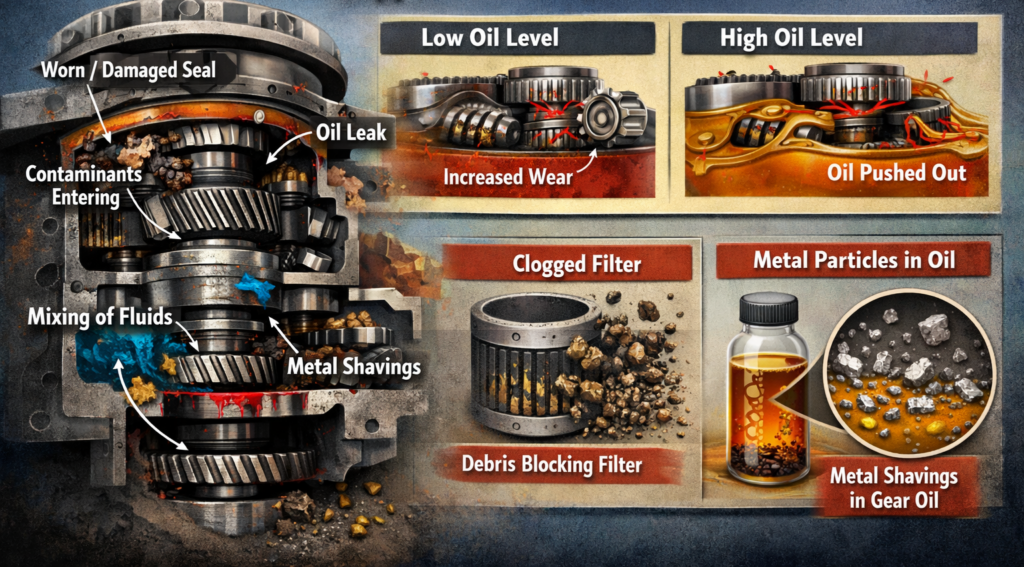
Furthermore, failing seals can shed pieces of material that clog internal filters, leading to further system stress. When fluid levels become too low due to a leak, it causes accelerated wear on the bearings and gears, as they are no longer properly lubricated. Conversely, too much oil in the hub can also be problematic, as rising temperatures can cause the oil to expand and push the seal out. Monitoring the gear oil for the presence of metal shavings is a critical diagnostic step, as shavings often indicate the start of significant internal problems.
The Interconnected System: Travel Motors and Final Drives
It is important to understand that the final drive and the travel motor operate as an integrated system. The travel motor converts hydraulic pressure into mechanical rotation, which the final drive then processes. Because of this close relationship, a problem in the final drive can often be mistaken for a weak travel motor.
If the final drive gears are worn, damaged, or contaminated, they create mechanical resistance that forces the travel motor to work harder. This can make the machine appear weak or sluggish, particularly when climbing grades or turning. Additionally, contaminated gear oil from a failing final drive can migrate into the travel motor’s hydraulic circuits, damaging precision-machined pistons and valve plates. This interconnectedness highlights why comprehensive diagnostics are necessary rather than simple component-by-component troubleshooting.
The Dangers of “Cutting Corners” with Substandard Parts
Excavator owners may sometimes feel pressured to save money by using cheaper, lower-quality replacement parts. However, this misconception often leads to “cutting corners” that results in premature excavator parts failure. Counterfeit or low-quality components often lack the additives needed to withstand high-duty cycles and the extreme stresses of heavy-duty operation.
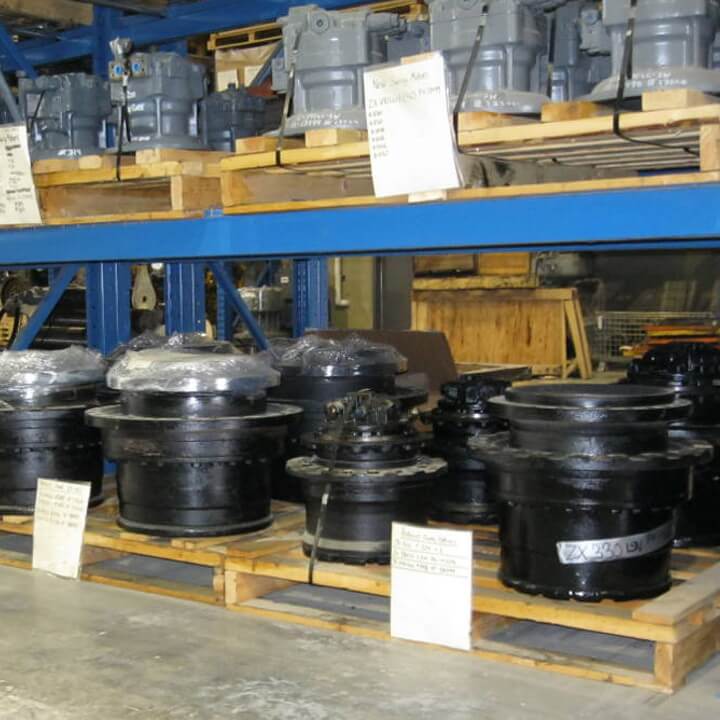
Using quality excavator parts and genuine excavator parts is the only way to ensure the right fit, function, and speed for your machine. For example, in a hydraulic motor, precision-machined components like swash plates and cylinder blocks work under extreme pressure. Substandard parts may have improper tolerances, leading to internal leakage, power loss, and eventual complete failure. To keep your machines running optimally, investing in OEM excavator parts or factory-standard components is essential for long-term productivity.
Track Tension: The External Factor Affecting Final Drives
Maintaining proper track tension is a vital, yet often neglected, part of protecting your final drive. Track tension directly affects the load placed on the undercarriage and the final drive system. If tracks are too tight, they put unnecessary pressure on the bearings, increasing friction and weakening the final drive. This leads to reduced power, particularly on slopes, and increased fuel consumption.
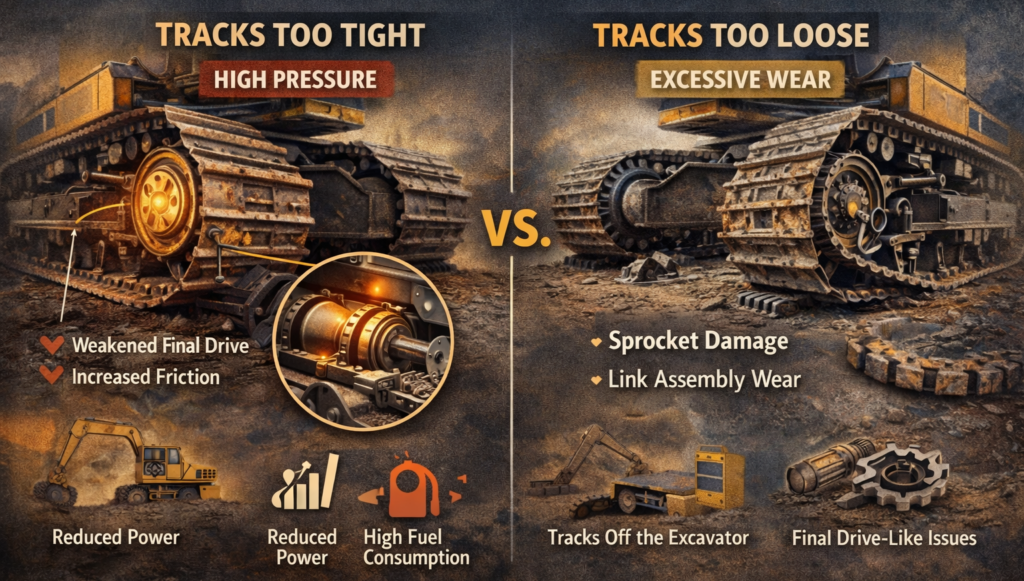
On the other hand, if tracks are too loose, they can come off the excavator or cause excessive wear on the sprockets, track link assemblies, and track chains. This wear can mimic the symptoms of final drive issues. Operators should monitor track tension daily, especially when working in muddy or sandy conditions where debris can adhere to the undercarriage and artificially increase tension.
Proactive Maintenance: Your Strategy for Longevity
The best way to avoid the frustrations and expenses of downtime is through a proactive maintenance program. A well-planned program not only protects your investment from breakdowns but also optimizes performance and fuel efficiency.
Key maintenance tasks include:
- Regular Fluid Analysis: Checking the level and condition of hydraulic oil and gear oil every day.
- Scheduled Gear Oil Changes: Most manufacturers recommend changing final drive gear oil every 1,000 to 2,000 operating hours or six months to a year, whichever comes first.
- Torque Checks: Ensuring all bolts are tightened to proper torque settings, as loose bearings can lead to oil leaks and gear binding.
- Visual Inspections for Cracks: Checking the boom, arm, and linkage points during daily greasing to catch minor stress lines before they become major fractures.
Why Turn to Langley Excavator Parts for Your Component Needs?
When your machinery fails, you need urgent access to reliable parts and expert technical support. Langley Excavator Parts has been an industry leader since 1977, founded on the principles of honesty, integrity, and quality. Since 1995, we have focused exclusively on sourcing, rebuilding, and shipping reliable parts for the most popular excavators brands.
We house one of the largest and most diverse inventories of excavator components in North America within our facility. Whether you need a brand-new component or a more affordable option to protect your bottom line, we provide:
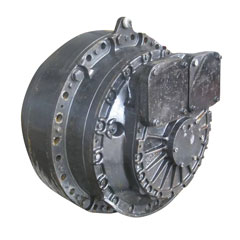
- Final Drives and Travel Motors: New, rebuilt, and refurbished units built to factory standards.
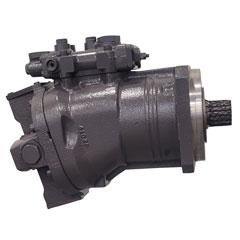
- Hydraulic Components: Including swing motors, hydraulic pumps, and control valves.
- Undercarriage Parts: Tried and tested sprockets, track link assemblies, track chains, and suspension components.
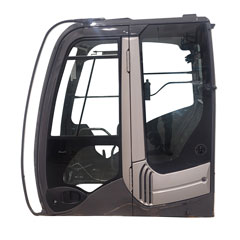
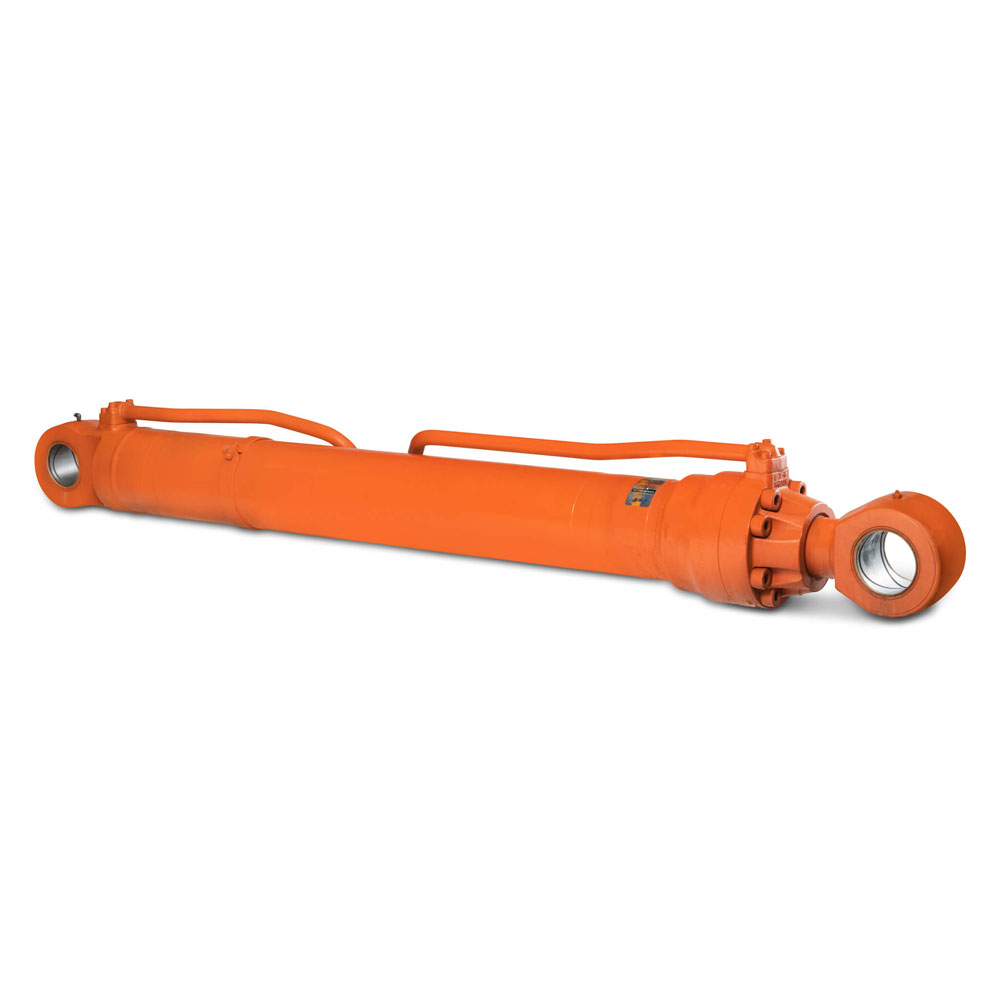
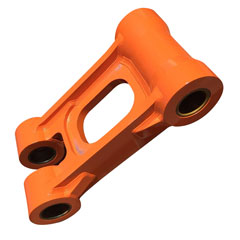
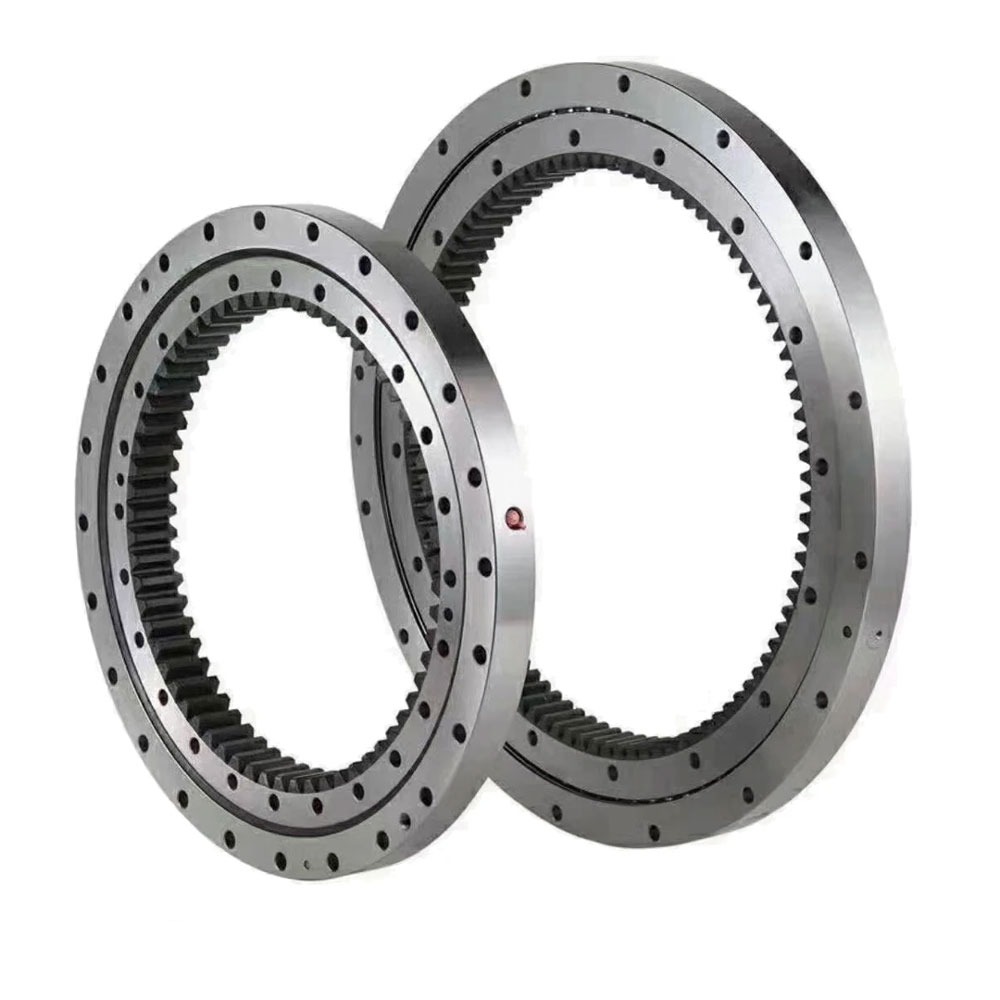
- Specialized Parts: Such as Rotec bearings (slew rings), cabs, cylinders, and linkage & pins.
Every part sold through Langley Excavator Parts undergoes a thorough pre-delivery inspection to ensure it meets the highest performance standards. Led by experienced owners Dave Morrison and Mike Van Boeyen, our team has the mechanical background and hands-on experience to help you find exactly what you need.
Global Reach and Safe Shipping
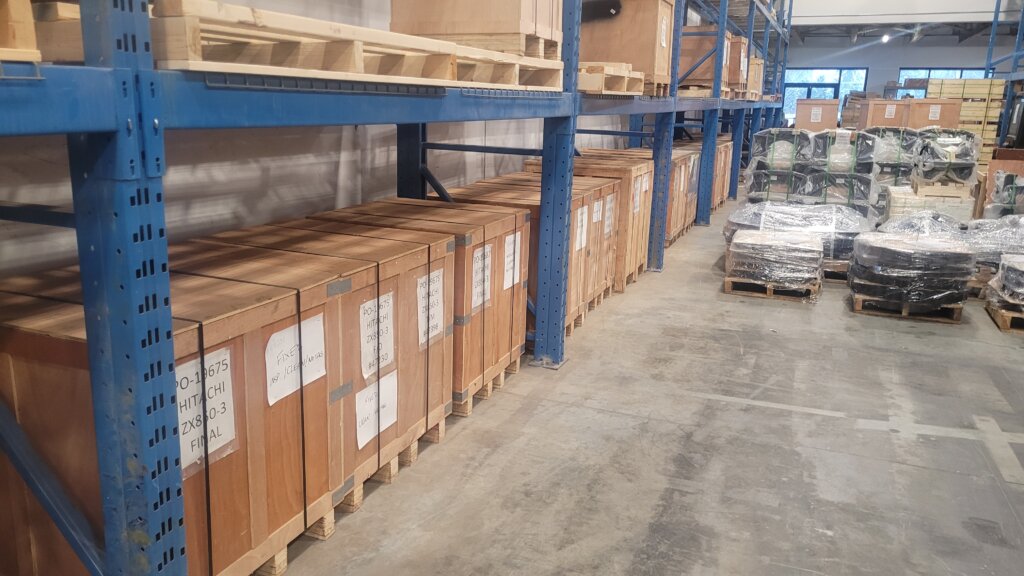
We understand that your project cannot wait, regardless of where you are located. Langley Excavator Parts serves clients throughout North America and ships parts across the world. We invest in the safest shipping methods to ensure your components arrive in perfect condition. This includes the use of custom-built pallets designed specifically to fit your parts, protecting them from the rigors of transit and reducing wasted space to lower freight charges.
Act Fast to Protect Your Bottom Line
Ignoring a final drive leak is a gamble that eventually leads to a complete system failure and astronomical repair bills. By remaining proactive, adhering to a maintenance schedule, and using only the highest quality replacement parts, you can prolong the service life of your excavator and maintain your productivity.
Don’t let a minor leak turn into a major breakdown! Contact Langley Excavator Parts in British Columbia, Canada, today to find the replacement excavator parts you need to reduce downtime and protect your bottom line. Call us toll-free at 1-888-973-8684 or visit us online at https://langleyexcavatorparts.com/ for expert assistance with your Hitachi, John Deere, Caterpillar, Volvo, or Link-Belt excavator needs!
Frequently Asked Questions
How can I tell if my final drive is failing if I don’t see a leak?
Common signs of a failing drive or weak travel motor include slow or sluggish movement, difficulty climbing grades, jerky travel speeds, or unusual banging and knocking noises during operation.
How often should I change the gear oil in my final drive?
Manufacturers generally recommend changing the gear oil every 1,000-2,000 operating hours or 6 to 12 months. However, severe duty applications may require more frequent changes. Always check for metal shavings during the change.
What is the difference between rebuilt and refurbished parts at Langley?
Rebuilt parts are completely disassembled, inspected, and reassembled with new seals and components to offer near-new performance. Refurbished parts receive targeted repairs to specific components, providing a budget-friendly option for older machinery.
Can the wrong hydraulic fluid damage my final drive?
Yes. Using fluid with the incorrect viscosity can lead to air gaps, causing components to work harder, overheat, and break down prematurely. Low-quality fluids may also lack necessary additives to prevent corrosion.