
For heavy equipment owners and operators in British Columbia and across North America, the excavator is the backbone of the operation. Whether you are working in construction, mining, or forestry, your equipment represents a massive financial investment. The pressure to meet tight project deadlines often leads to the most common pain point in the industry: the temptation to save money by purchasing cheaper, lower-quality replacement parts.
According to Market Reports World, the heavy equipment spare parts market faces significant challenges from counterfeit and substandard components that attract buyers with low prices but deliver poor performance, elevated maintenance expenses, and serious safety risks. For excavator owners, this means that every purchasing decision carries significant risk. Whether you operate a Caterpillar 320, Hitachi ZX series, John Deere excavator, Volvo EC model, or Link-Belt machine, understanding how to identify genuine excavator parts versus counterfeit components can mean the difference between reliable operation and catastrophic equipment failure.
The consequences of installing counterfeit parts extend far beyond immediate operational concerns. Fake components can lead to premature equipment failure, voided warranties, increased downtime, safety hazards for operators, and repair costs that far exceed any initial savings from purchasing cheaper alternatives. The excavator parts experts at Langley Excavator Parts will equip you with the knowledge necessary to protect your investment and ensure that every component you install meets the exacting standards your excavator deserves.
Understanding the Counterfeit Parts Problem in Heavy Equipment
The counterfeit parts industry has become increasingly sophisticated, targeting every aspect of excavator components from hydraulic cylinders and final drives to undercarriage parts and electronic control modules. Manufacturers like Caterpillar, Hitachi, John Deere, Volvo, and Link-Belt invest millions in research, development, and quality control to ensure their parts meet rigorous performance standards. Counterfeiters bypass these investments entirely, producing components that may look authentic but lack the metallurgical properties, precision manufacturing, and quality assurance that genuine parts provide.
Research from equipment manufacturers indicates that counterfeit hydraulic components fail at significantly higher rates than OEM excavator parts, while fake undercarriage components like sprockets and track link assemblies can wear out much faster than expected. These failures often occur without warning, potentially causing damage to other systems and creating dangerous working conditions. The financial impact extends beyond replacement costs, with excavator downtime costing operators between $500 to $2,000 per day, depending on project commitments and equipment utilization rates.
Counterfeiters specifically target high-wear components that require frequent replacement, including track chains, suspension components, hydraulic seals, filters, and bearings. The profit margins on these items make them attractive targets for fraudulent manufacturers who exploit gaps in supply chains and the price sensitivity of equipment owners facing tight project budgets.
Visual Inspection Techniques for Authentic Parts
The first line of defence against counterfeit components involves careful visual examination before installation. Quality excavator parts from reputable manufacturers display consistent characteristics that counterfeiters struggle to replicate perfectly. Start by examining the packaging itself. Genuine OEM parts arrive in branded packaging with clear manufacturer logos, part numbers, barcodes, and often holographic security features or authentication stickers. The packaging should appear professional with high-quality printing, accurate spelling, and proper grammar in multiple languages.
Assessing Surface Finish and Manufacturing Quality
Inspect the component surface for manufacturing quality. Authentic parts from Caterpillar, Hitachi, John Deere, Volvo, and Link-Belt exhibit uniform finishes with consistent machining marks, proper paint application without runs or inconsistencies, and casting marks that match manufacturer specifications. Counterfeit parts often display rough casting surfaces, uneven paint application, poorly executed markings, or finishes that appear dull or inconsistent compared to genuine components.
Verifying Part Numbers and Manufacturer Markings
Pay particular attention to stamped or engraved identification marks. Genuine excavator parts feature crisp, clearly defined part numbers, date codes, and manufacturer logos created through precision stamping or laser engraving. Counterfeit parts typically show poorly defined markings with irregular depths, incorrect fonts, or spacing that doesn’t match authentic components. Compare the font style and placement of markings against known genuine parts or manufacturer documentation.
Evaluating Material Quality and Physical Characteristics
Material quality provides another important indicator. Authentic hydraulic components, final drives, and structural parts use specific alloys and treatments that give them distinctive weight, colour, and texture characteristics. If a replacement cylinder, swing motor, or travel motor feels significantly lighter than the original component or displays unusual colour variations in metal surfaces, it warrants additional scrutiny before installation.
Documentation and Authentication Methods
Proper documentation serves as critical evidence of authenticity when sourcing quality excavator parts. Every genuine component should include comprehensive documentation that traces its origin and verifies its authenticity. Manufacturer certificates of authenticity provide official verification that parts meet original equipment specifications. These certificates typically include the part number, serial number, manufacturing date, and quality control verification stamps.
Maintaining Detailed Purchase Records and Supplier Documentation
Request complete purchase documentation from your supplier, including detailed invoices that specify part numbers, descriptions, and manufacturer information. Legitimate suppliers of genuine excavator parts maintain meticulous records and willingly provide documentation that establishes a clear chain of custody from manufacturer to end user. Be wary of suppliers who cannot or will not provide proper paperwork, as this often indicates questionable sourcing practices.
Utilizing Digital Authentication Technologies
Many manufacturers now incorporate advanced authentication technologies into their components and packaging. QR codes, RFID tags, and unique serial numbers allow verification through manufacturer websites or dedicated authentication applications. Before purchasing critical components like cabs, hydraulic cylinders, or Rotec bearings, use these verification systems to confirm authenticity. Caterpillar’s Electronic Technician software, for example, can verify genuine parts through integrated diagnostic systems, while other manufacturers offer similar verification tools.
Building a Comprehensive Maintenance Documentation System
Maintain comprehensive maintenance records that document all part installations with dates, part numbers, and supplier information. This documentation not only helps track component performance but also establishes patterns that can reveal potential counterfeit issues across your fleet. When multiple components from the same supplier fail prematurely, it may indicate a systematic counterfeit problem requiring immediate supplier evaluation.
Supplier Vetting and Relationship Building
The most effective strategy for ensuring access to genuine excavator parts involves establishing relationships with authorized dealers and reputable suppliers like Langley Excavator Parts, who maintain direct connections with manufacturers. Authorized dealerships for Caterpillar, Hitachi, John Deere, Volvo, and Link-Belt operate under strict guidelines that ensure parts authenticity and maintain manufacturer warranties. While authorized dealers may charge premium prices, the assurance of receiving authentic OEM excavator parts eliminates the substantial risks associated with counterfeits.
Investigating Supplier Credentials and Business History
When evaluating potential suppliers, investigate their business history, industry reputation, and manufacturer relationships. Legitimate suppliers willingly provide references, maintain physical business locations, and can demonstrate years of successful operation in the heavy equipment industry. Check for certifications, manufacturer authorizations, and memberships in industry associations that require adherence to ethical business practices.
Conducting Facility Inspections and Operational Assessments
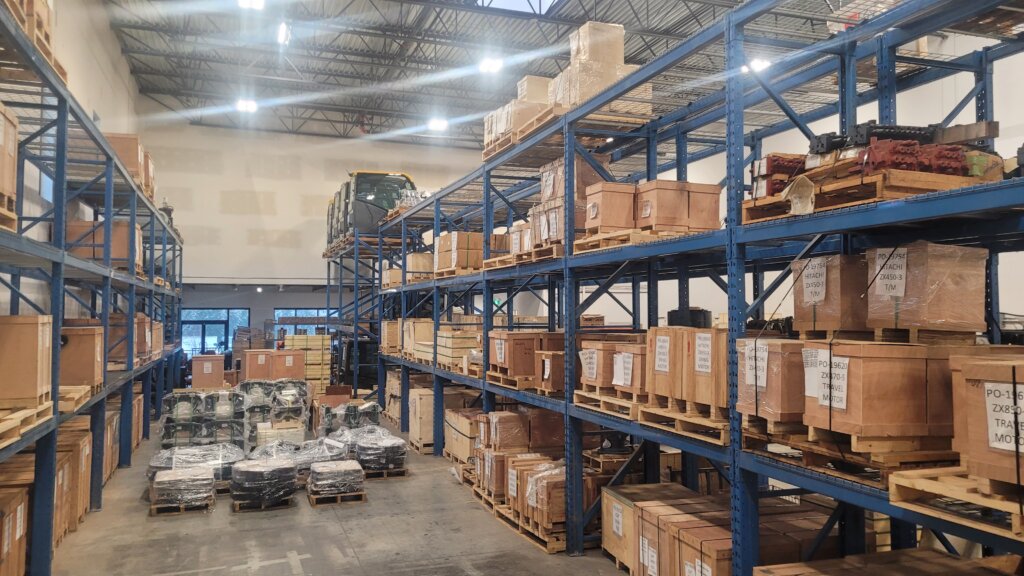
Request facility tours when possible to observe parts storage, handling, and inventory management practices. Reputable suppliers maintain climate-controlled warehouses, implement inventory tracking systems, and handle components with care that preserves their condition. Suppliers operating from residential addresses, lacking proper facilities, or unable to demonstrate professional operations should raise immediate concerns about parts authenticity.
Establishing Transparent Communication and Verification Protocols
Establish clear communication channels with your suppliers regarding authenticity concerns. Professional suppliers understand the counterfeit problem and implement their own verification processes to protect customers. They should welcome questions about parts sourcing, provide transparent information about supply chains, and offer return policies that protect buyers if authenticity questions arise after purchase.
Critical Components Requiring Extra Scrutiny
Certain excavator components merit additional attention due to their critical role in machine operation and safety.
Hydraulic Cylinders: Precision Engineering Under Pressure
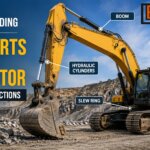
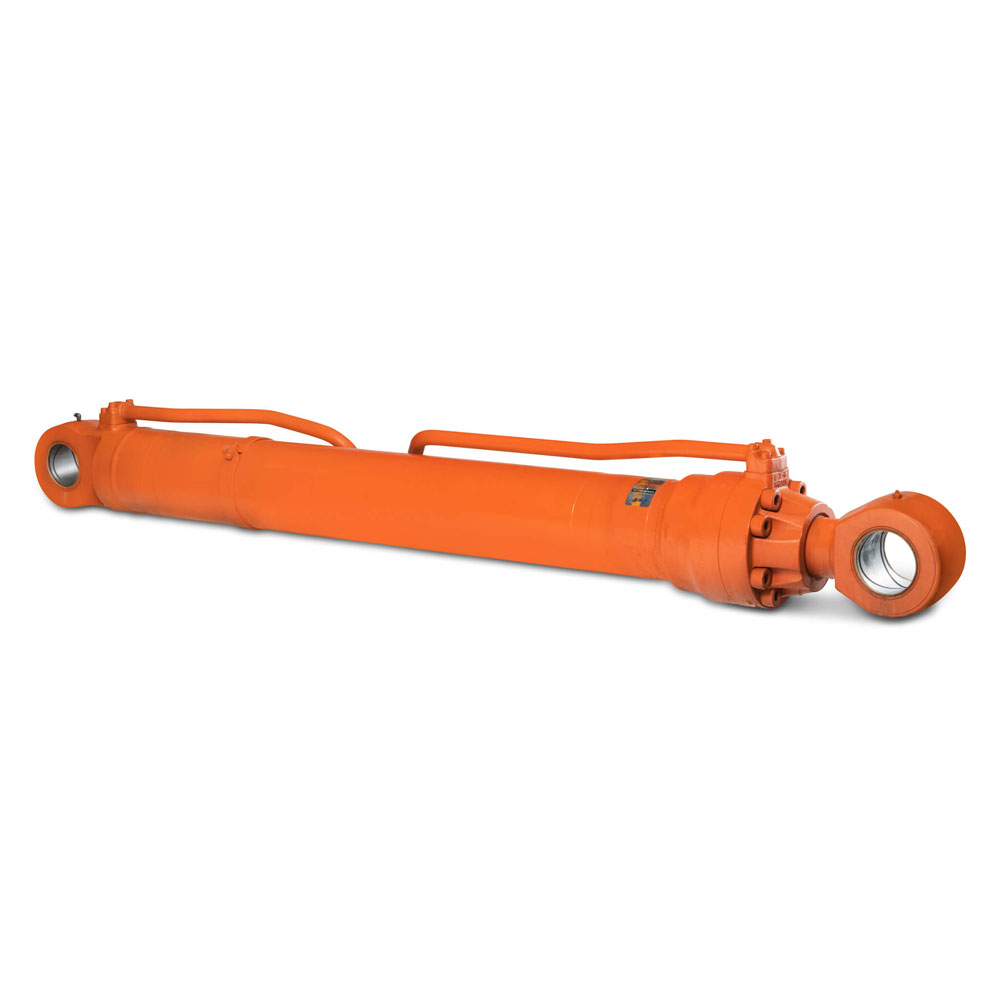
Hydraulic cylinders represent a prime target for counterfeiters because they’re expensive, wear regularly, and directly impact machine performance. Genuine hydraulic cylinders undergo precision manufacturing with specific seal materials, rod coatings, and metallurgical properties that ensure reliable operation under extreme pressures. Counterfeit cylinders may appear similar but use inferior seals that fail rapidly, rods that corrode prematurely, or welds that crack under normal operating loads.
Final Drives, Swing Motors, and Travel Motors: Complex Propulsion Systems
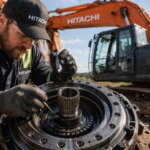
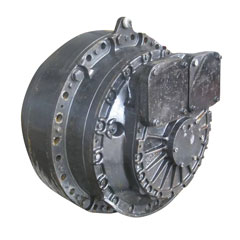
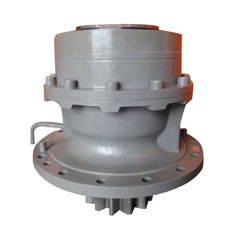
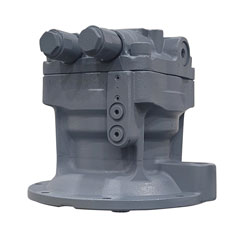
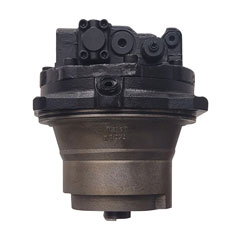
Final drives, swing motors, and travel motors constitute the excavator’s propulsion and movement systems, making them essential to productivity. These complex assemblies require precise gear cutting, specific bearing tolerances, and careful assembly that counterfeiters cannot replicate without sophisticated manufacturing capabilities. Industry data indicates that counterfeit final drives fail at approximately three times the rate of genuine components, often causing secondary damage to mounting systems and adjacent components that multiplies repair costs significantly.
Undercarriage Components: High-Stress Ground Engagement Parts
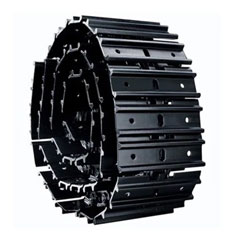
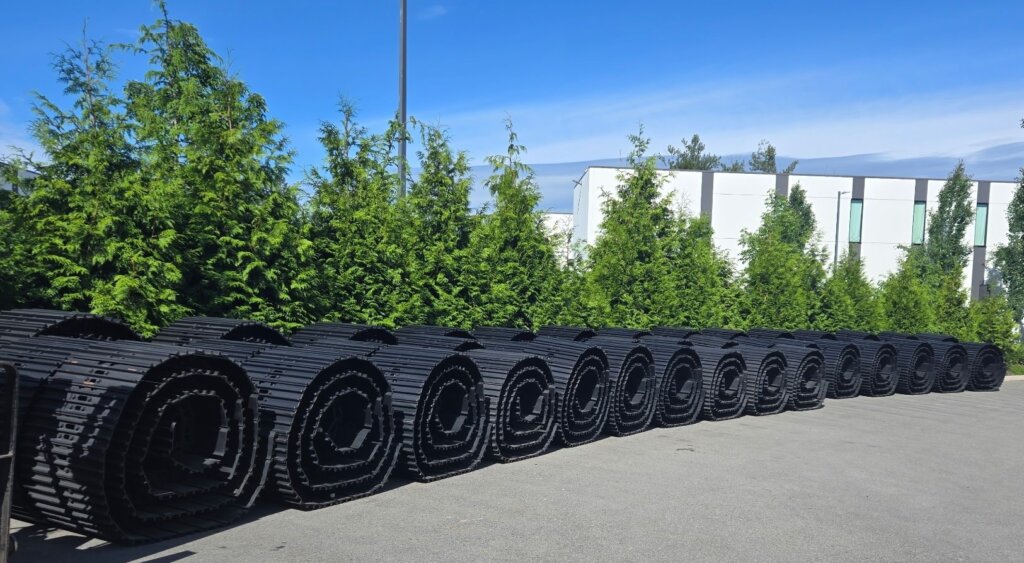
Undercarriage parts, including sprockets, track link assemblies, track chains, and suspension components, endure constant stress from ground contact, material loading, and machine movement. The steel alloys used in genuine undercarriage components undergo specific heat treatments and manufacturing processes that provide optimal wear resistance and structural integrity. Counterfeit track components may use lower-grade steel that wears rapidly, incorrect hardness levels that lead to premature failure, or poor welding that results in broken links and unexpected downtime.
Rotec Bearings and Precision Components: Micron-Level Tolerances
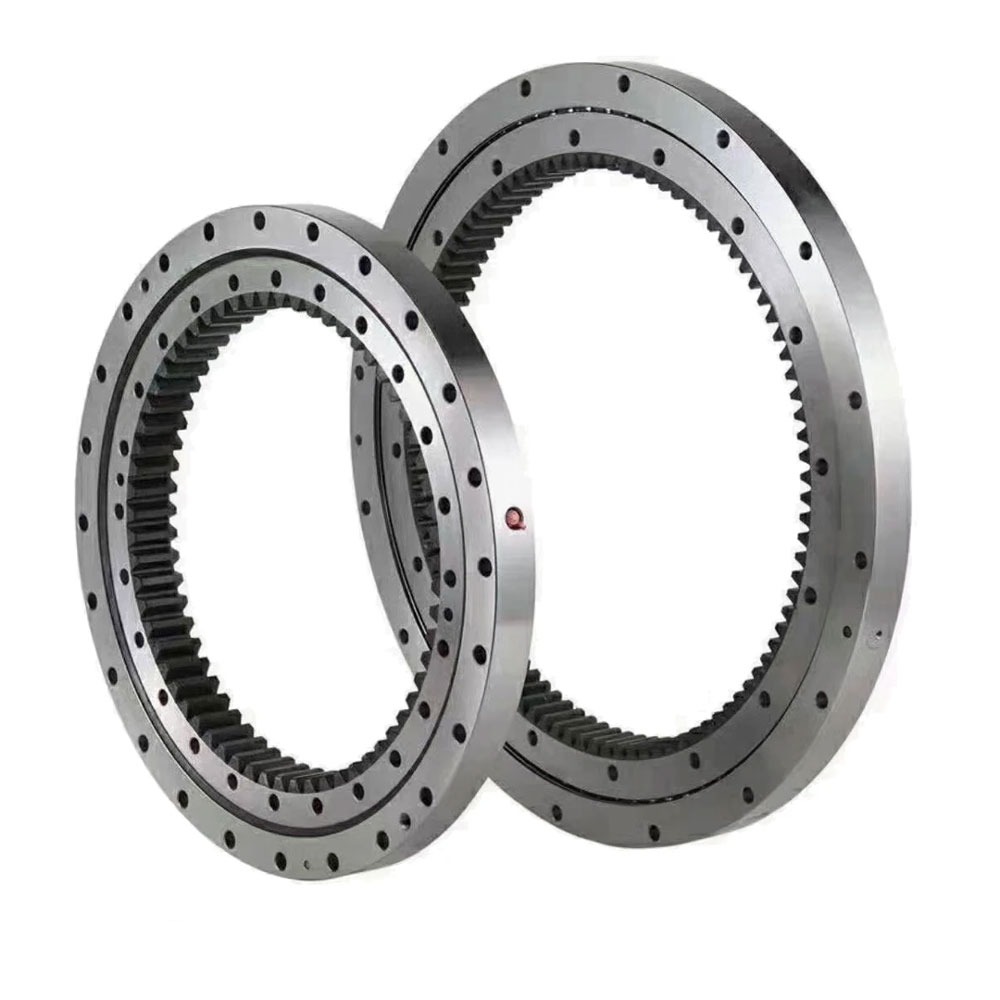
Rotec bearings and other precision components require exacting manufacturing tolerances measured in microns. These components support rotating assemblies and manage enormous loads while maintaining smooth operation. Counterfeit bearings typically lack the precision grinding, heat treatment, and quality control that genuine bearings receive, leading to increased friction, heat generation, and premature failure that can damage expensive rotating assemblies.
Price Analysis and Market Awareness
Understanding market pricing for genuine excavator parts helps identify suspiciously low prices that often indicate counterfeit components. While everyone appreciates competitive pricing, offers significantly below market rates deserve careful scrutiny. Genuine OEM excavator parts carry specific cost structures that reflect manufacturing quality, engineering investments, and supply chain management. When suppliers offer prices substantially below authorized dealer rates for supposedly new OEM components, it should trigger immediate authentication concerns.
Research typical pricing for components you need by consulting multiple authorized dealers and established suppliers. For example, a genuine Caterpillar hydraulic cylinder for a specific model typically falls within a predictable price range across different suppliers. Prices varying more than 20-30% from this range warrant investigation, while prices 50% or more below market rates almost certainly indicate counterfeit, used, or stolen components being misrepresented as genuine parts.
Consider the total cost of ownership rather than just the initial purchase price. A counterfeit track chain assembly that costs 40% less than genuine components but lasts only 50% as long actually costs more when factoring in additional replacement labour, downtime, and accelerated wear on sprockets and other drive components. Quality excavator parts from trusted manufacturers provide predictable service lives that enable accurate maintenance planning and budgeting.
Be particularly wary of online marketplaces and auction sites where sellers lack established reputations in the heavy equipment industry. While these platforms can connect buyers with legitimate surplus or refurbished parts, they also provide venues for counterfeiters to reach unsuspecting customers. Verify seller credentials, read reviews carefully, and use secure payment methods that offer buyer protection when purchasing from unfamiliar sources.
Testing and Performance Verification
Once you’ve installed replacement components, systematic performance monitoring helps verify authenticity and catch potential issues before they escalate. Genuine excavator parts perform consistently with predictable characteristics that experienced operators and technicians recognize. Establish baseline performance metrics for critical systems, including hydraulic pressure, cycle times, travel speed, and swing torque. Significant deviations from these baselines after parts replacement may indicate counterfeit components that don’t meet original specifications.
Evaluating Hydraulic System Performance Indicators
Hydraulic system performance provides particularly clear indicators of parts quality. Genuine hydraulic cylinders, pumps, and valves maintain specified pressures, respond smoothly to control inputs, and operate within normal temperature ranges. Counterfeit hydraulic components often exhibit pressure losses, erratic operation, excessive heat generation, or fluid leakage that genuine parts avoid through superior manufacturing and materials.
Tracking Wear Patterns During Routine Maintenance
Monitor wear patterns carefully during routine maintenance intervals. Genuine undercarriage components wear predictably based on operating conditions and maintenance practices. Abnormally rapid wear, uneven patterns, or premature failure of recently installed sprockets, track link assemblies, or suspension components suggests quality issues consistent with counterfeit parts. Document wear patterns photographically to establish clear evidence if warranty claims become necessary.
Implementing Fluid Analysis for Internal Component Condition
Fluid analysis programs provide objective data about internal component conditions. Regular oil sampling from hydraulic systems, final drives, and swing motors reveals metal contamination levels that indicate abnormal wear. Sudden increases in wear metals after installing replacement components may signal counterfeit parts that lack proper heat treatment, use inferior materials, or feature poor machining quality that accelerates internal wear.
Industry Standards and Certification Recognition
Legitimate manufacturers of quality excavator parts comply with international quality standards that ensure consistent performance and reliability. Understanding these certifications helps differentiate genuine components from counterfeits that lack proper quality assurance. ISO 9001 certification indicates that manufacturers maintain comprehensive quality management systems covering design, production, and testing processes. While not all legitimate parts suppliers hold ISO certification, its presence demonstrates a commitment to systematic quality control.
Original equipment manufacturers like Caterpillar, Hitachi, John Deere, Volvo, and Link-Belt maintain proprietary standards that exceed general industry requirements. These manufacturers test components through rigorous validation programs that simulate years of field operation under various conditions. Parts that successfully complete these programs receive manufacturer approval and warranty backing that counterfeiters cannot legitimately claim.
Industry associations provide additional verification resources. The Association of Equipment Manufacturers (AEM) and similar organizations work to combat counterfeiting through education, enforcement support, and authentication technology development. Parts suppliers maintaining AEM membership and participating in anti-counterfeiting initiatives demonstrate commitment to providing genuine components rather than enabling counterfeit distribution.
Pay attention to compliance markings on components. Genuine parts meeting specific regulatory requirements display appropriate certifications such as EPA compliance for engine components, OSHA approvals for safety-critical systems, or SAE standards for hydraulic fittings and hoses. The absence of required compliance markings on components that should carry them indicates either counterfeit manufacture or grey-market parts not intended for your jurisdiction.
Why Choose Langley Excavator Parts for Your Excavator Component Needs
When your excavator requires replacement parts, choosing the right supplier determines whether you receive genuine components that maintain your machine’s performance and value or risk counterfeit parts that compromise reliability and safety. Langley Excavator Parts has built its reputation on providing excavator owners with uncompromising access to authentic OEM excavator parts, quality refurbished components, and rigorously tested factory replacement parts for Caterpillar, Hitachi, John Deere, Volvo, and Link-Belt excavators.
Comprehensive Inventory for Complete Excavator Maintenance
We offer one of the largest and most diverse inventories in North America, housed in our 21,000-square-foot facility. Whether you need new, OEM, rebuilt, or refurbished parts, we have the solution to get you back to work quickly. Our inventory includes:
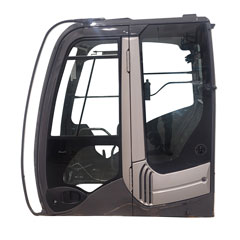
- Cabs and Cylinders: New surplus cabs and factory replacement boom, stick, and bucket cylinders.
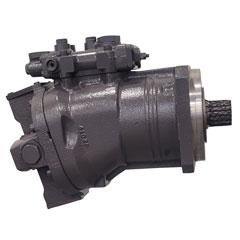
- Hydraulic Components: High-quality pumps, valves, and swing motors.
- Drive Systems: Final drives, travel motors, and swing gearboxes built to factory standards.
- Undercarriage Parts: Tried and tested sprockets, track link assemblies, track chains, and suspension components.
- Rotec Bearings: Designed for heavy loads and high performance.
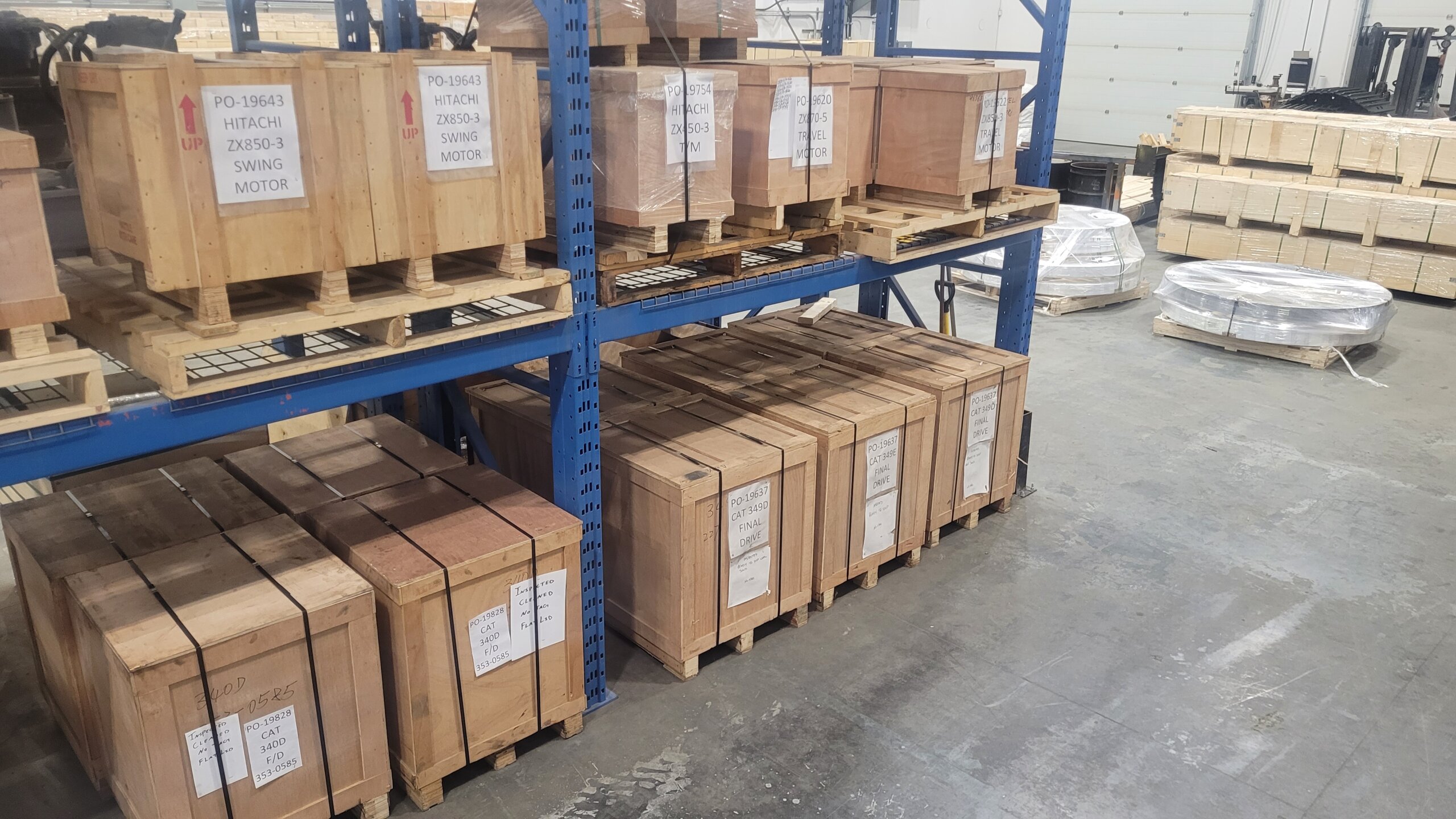
Every part we sell undergoes a thorough pre-delivery inspection, and we even custom-build pallets to ensure your components arrive safely and securely, anywhere in the world.
Rigorous Authentication and Quality Assurance Processes
What sets Langley Excavator Parts apart is our unwavering commitment to parts authenticity and customer success. Every component we sell comes with complete documentation verifying its origin and authenticity. We maintain direct relationships with manufacturers and authorized distributors, ensuring that every part – whether new OEM, professionally rebuilt, or carefully refurbished – meets the exacting standards your excavator deserves. Our experienced team understands the critical differences between genuine and counterfeit components and implements rigorous verification processes that eliminate the anxiety of parts sourcing.
Expert Technical Support and Rapid Response Service
We recognize that excavator downtime costs you money every hour your machine sits idle. That’s why we maintain an extensive inventory ready for immediate shipment and provide expert technical support to ensure you order exactly the right component the first time. Our specialists work with Caterpillar, Hitachi, John Deere, Volvo, and Link-Belt excavators daily, providing the expertise necessary to identify the correct part numbers, recommend suitable alternatives when appropriate, and answer technical questions that ensure successful installation and reliable operation.
Long-Term Partnership and Customer Success Focus
Beyond parts supply, Langley Excavator Parts offers the peace of mind that comes from working with a supplier who values your success as much as you do. We stand behind every component we sell with warranty protection, responsive customer service, and the commitment to building long-term relationships rather than completing one-time transactions. When counterfeit parts threaten your productivity and profitability, you need a supplier you can trust completely – that’s exactly what Langley Excavator Parts delivers.
Protect Your Investment with Genuine Parts Today
Your excavator represents a significant capital investment that deserves protection through proper maintenance and genuine replacement components. The risks associated with counterfeit parts – catastrophic failures, voided warranties, safety hazards, and expensive secondary damage – far outweigh any initial cost savings from purchasing suspect components. By implementing the identification techniques, supplier vetting practices, and verification methods outlined in this guide, you significantly reduce your exposure to counterfeit parts while ensuring your excavator maintains the performance and reliability your business demands.
Don’t gamble with your excavator’s performance and your operator’s safety by purchasing parts from questionable sources. Contact Langley Excavator Parts today to discuss your component needs and discover how easy it is to source genuine excavator parts from a supplier who prioritizes authenticity, quality, and customer success. Whether you operate Caterpillar, Hitachi, John Deere, Volvo, or Link-Belt excavators, we have the expertise, inventory, and commitment to keep your machines working.
We’re here to answer your questions, provide accurate parts information, and ship the quality components that keep your excavator operating at peak performance. Don’t let counterfeit parts destroy your investment – choose Langley Excavator Parts and experience the difference that genuine components make.
Frequently Asked Questions
Are refurbished or rebuilt excavator parts reliable alternatives to new OEM components?
Yes, professionally refurbished and rebuilt excavator parts from reputable suppliers like Langley Excavator Parts provide excellent reliability when remanufactured to OEM specifications. The key difference between quality rebuilt components and counterfeits lies in the rebuilding process itself. Legitimate rebuilders disassemble used components, inspect all parts against manufacturer specifications, replace worn elements with genuine parts, and test completed assemblies to verify they meet original performance standards. Quality rebuilt hydraulic cylinders, final drives, swing motors, and other major components often carry warranties comparable to new parts and deliver service lives that approach new component expectations at significantly reduced costs. Always verify that rebuilt parts come from established rebuilders who use genuine replacement components, follow manufacturer rebuilding procedures, and provide warranty protection. Avoid “remanufactured” parts that lack documentation about the rebuilding process, as these may simply be cleaned, used parts without proper inspection or component replacement.
Why do counterfeit excavator parts cost so much less than genuine components?
Counterfeit excavator parts cost significantly less because they completely avoid the substantial investments that legitimate manufacturers make in engineering, quality materials, precision manufacturing, testing, and quality assurance. Companies like Caterpillar, Hitachi, John Deere, Volvo, and Link-Belt invest millions in developing components that withstand extreme operating conditions while maintaining precise performance specifications. These manufacturers use expensive alloys, implement sophisticated heat treatments, machine components to exacting tolerances, and test extensively before releasing parts to market. Counterfeiters bypass all these expenses by copying existing designs, using inferior materials, employing substandard manufacturing processes, and selling without any quality verification. The resulting products may superficially resemble genuine parts but lack the metallurgical properties, dimensional accuracy, and durability that ensure reliable operation. The initial price savings evaporate quickly when counterfeit components fail prematurely, cause secondary damage to other systems, create downtime that halts productivity, and require repeated replacement. When viewed through the total cost of ownership rather than just the initial purchase price, counterfeit parts actually cost significantly more than investing in genuine components from the start.