
Operating an excavator is a significant investment that demands careful attention to maintenance and part replacement. While excavators are built for challenging tasks, their moving parts are constantly under stress and subject to wear and tear. Understanding which components are most susceptible to failure, why they fail, and the implications of neglecting their replacement is vital for any excavator owner or operator since it can help you budget effectively and minimize costly downtime.
At Langley Excavator Parts, with our extensive experience since 1977, we’ve gained valuable insight into the parts that frequently require attention. By being proactive with maintenance and knowing the signs of impending failure, you can significantly reduce expenses and maintain your work schedule.
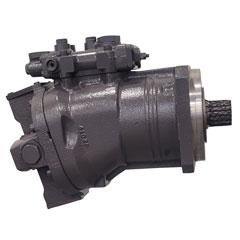
The Heart of the System: Hydraulic Pumps
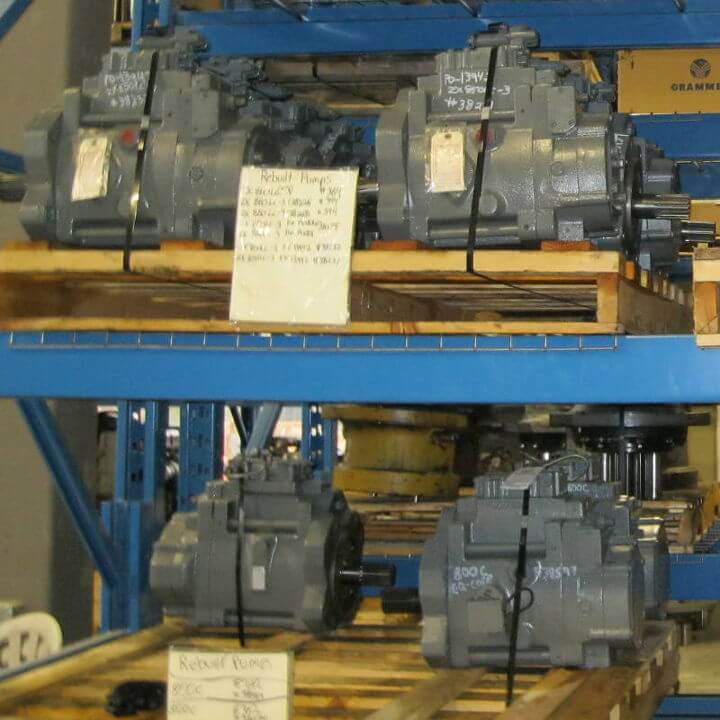
The hydraulic pump is like the heart of your excavator, responsible for circulating hydraulic fluid that provides the necessary pressure and power for all operations. Its failure can lead to severe downtime and expensive repairs.
Why They Fail and Consequences:
Wear and Tear
As one of the hardest-working components, the hydraulic pump is prone to wear over time.
Leaks
Visible or internal hydraulic fluid leaks can signal a failing pump, leading to a noticeable decrease in excavator performance and a sudden drop in hydraulic fluid pressure. If not addressed quickly by tightening or replacing a valve or seal, leaks can cause more severe damage to the entire hydraulic system.
Banging and Knocking Sounds
A properly functioning hydraulic pump should be quiet. Banging or knocking sounds indicate air in the system due to low hydraulic fluid pressure, which can lead to cavitation and pump overheating, causing internal parts to fail. Ignoring these sounds can result in irreparable damage.
Increase in Temperature
Hydraulic fluid should ideally not exceed 82°C (180°F). A failing pump causes a pressure drop, leading to increased heat and higher fluid temperatures, which can damage seals and affect fluid viscosity. Overheating is a common cause of hydraulic system failure, and contaminated fluid from a failing pump can spread debris throughout the entire system, damaging other components.
Weak Final Drive Motor
A weak final drive motor can be a direct result of insufficient hydraulic fluid pressure from a failing pump, underscoring the interconnectedness of hydraulic components. Regular checks of hydraulic pressures are crucial.
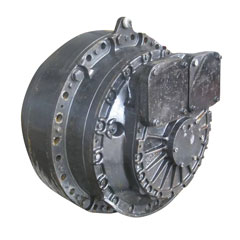
Mobility Powerhouse: Travel Motors
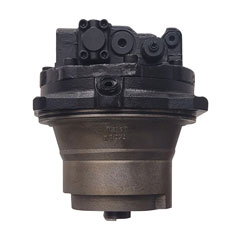
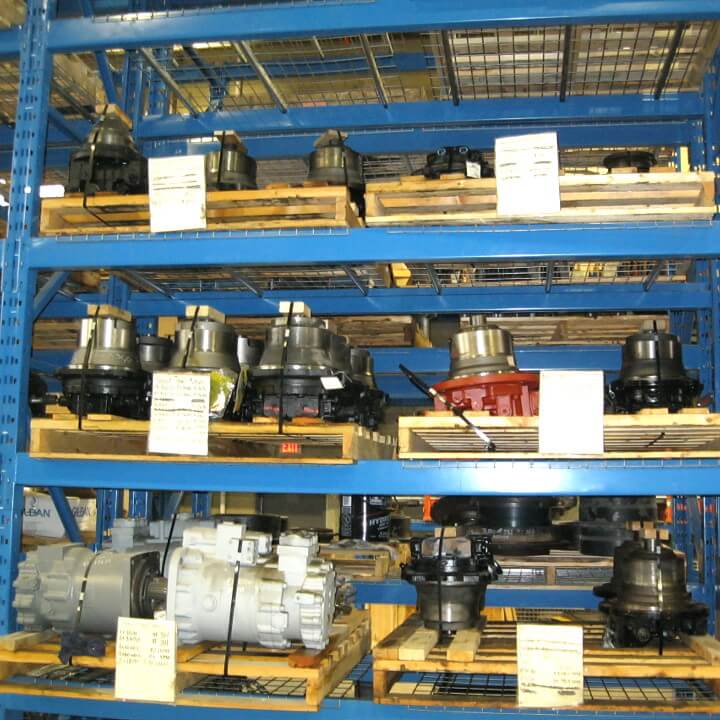
The travel motor is indispensable for your excavator’s movement, working with the final drive to convert hydraulic pressure into the torque that turns the tracks. A weakening travel motor can bring operations to a halt, causing frustrating delays and significant financial losses.
Why They Fail and Consequences:
Hydraulic System Contamination
Dirty hydraulic oil, containing metal particles, dirt, or water, can wear down seals, pistons, and other internal parts. Water causes rust and corrosion, while metal particles accelerate wear and reduce efficiency. Ignoring contamination leads to significant damage over time, impacting performance and component life.
Improper Fluid Management
Using the wrong type, viscosity, or quality of hydraulic fluid severely impacts efficiency and wear resistance. Incorrect viscosity can create air gaps, forcing components to work harder and leading to premature breakdown. Low fluid levels decrease hydraulic pressure, making the hydraulic pump work harder, generating excessive heat (above 82°C/180°F), damaging seals, and affecting fluid viscosity, all contributing to a weak travel motor.
Worn Internal Components and Seals
Precision parts like pistons, cylinder blocks, and seals wear down under constant pressure and temperature, leading to internal leakage, pressure loss, and reduced power. Wear in the planetary gear system also causes power loss and eventual failure if neglected.
Inadequate Lubrication and Maintenance
Neglecting gear oil changes in the final drive housing allows the oil to lose lubricating properties or become acidic, accelerating wear. Low oil levels cause overheating and increased wear, significantly shortening the travel motor’s life.
Overloading and Excessive Operating Stress
Operating beyond specific load and speed limits, pushing oversized loads, or using the excavator for unintended applications places excessive stress on internal components, leading to premature wear and failure. High-impact work like demolition can also damage parts due to shock loads and vibrations.
Mechanical Factors
Issues within the integrated final drive system can force the travel motor to work harder, appearing weak. Contaminated gear oil from a failing final drive can migrate into the travel motor’s hydraulic circuits, damaging seals. Incorrect track tension (too loose or too tight) also impacts power delivery and stresses bearings, mimicking or exacerbating travel motor issues.
Environmental Stress (Summer Heat)
High temperatures can “cook” hydraulic oil, damaging seals and tarnishing cylinder surfaces, directly impacting travel motor efficiency. Blocked airflow to radiators and oil coolers exacerbates overheating.
The Ground Movers: Final Drives
The final drive is crucial for excavator mobility, as it converts the power from the travel motor into torque to turn the tracks. If it malfunctions, your excavator cannot move, leading to significant downtime.
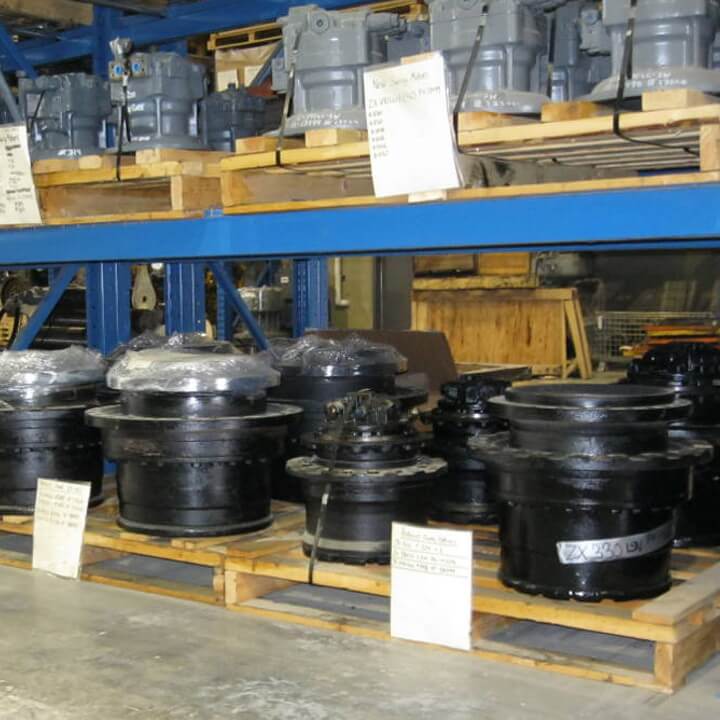
Why They Fail and Consequences:
Improper Fluid Levels and Contamination
The final drive consists of gear stages held by internal bearings. Low fluid levels cause faster wear, while too much oil can push out seals when temperatures rise. Metal shavings in the fluid indicate serious internal problems. Contaminated gear oil from a failing final drive can also damage the travel motor.
Worn Seals
Seals prevent fluid leaks and keep contaminants out, also preventing different fluids from mixing. Deteriorating seals can clog filters, leading to further damage and reduced efficiency.
Damaged Gears
The gears transmit power and torque. Worn, bent, pitted, or cracked gear teeth are signs of wear and should be replaced promptly before they break apart and cause more extensive damage. Incorrect torque settings during reassembly can also lead to premature bearing wear, oil leaks, or binding.
Track Tension Issues
Tracks that are too tight put unnecessary pressure on bearings, increase friction, and reduce the final drive’s power and fuel efficiency, especially on slopes or with loads. Conversely, excessively loose tracks can come off or cause undue wear on components like pins, bushings, and sprockets, mimicking final drive problems.
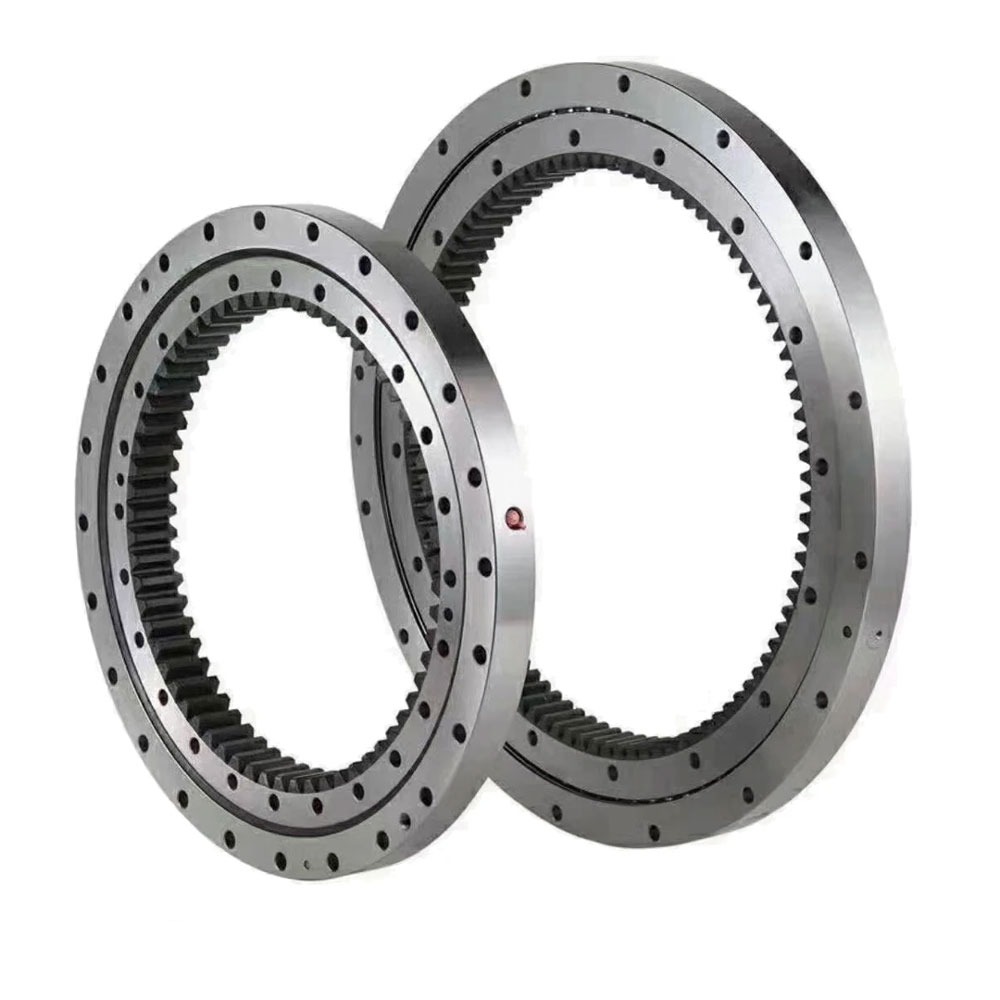
The Swivel Point: Rotec Bearings (Slew Ring Bearings)
Rotec bearings, also known as slew ring or turntable bearings, allow the upper house of your excavator to move independently from the undercarriage, handling heavy loads and combinations of thrust, radial, and tilting moment loading. Their repair or replacement can be very costly.
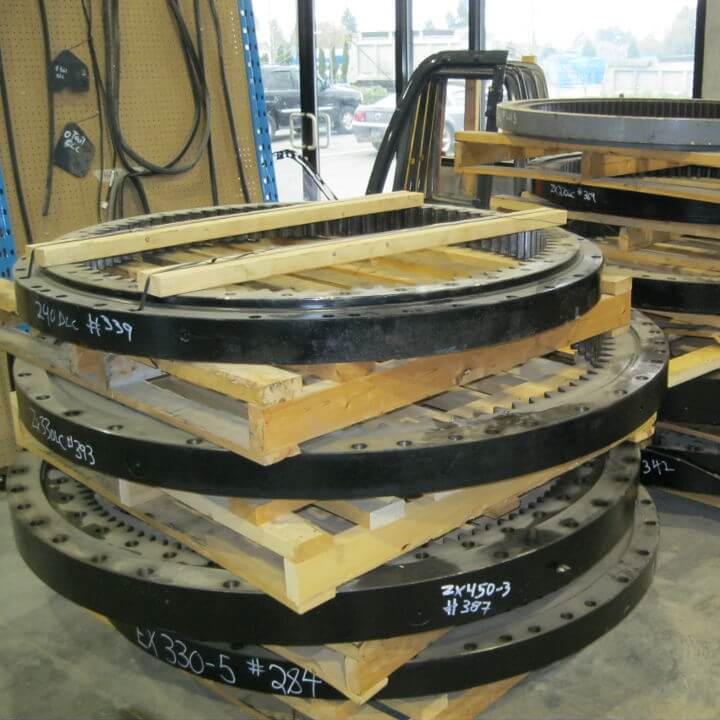
Why They Fail and Consequences:
Lack of Lubrication
Insufficient or infrequent lubrication with heavy-duty, extreme-pressure grease is a primary cause of issues. Old, contaminated grease, if not purged, can contain grit or metal chips that accelerate wear. Even when idle, grease can dry out, allowing condensation and bearing damage, requiring lubrication every four to six months. Gears within the bearings need more frequent lubrication due to the meshing action squeezing out lubricant.
Loose Bolts
Intense vibrations from operation can loosen the bolts that secure the bearings, reducing preload. Neglecting frequent torque checks and tightening can damage the excavator and even injure operators. “Bolt creep” due to stress, heat, and frequent tightening can also reduce preload over time.
Compromised Seals
Rotec bearing seals maintain lubrication levels and protect against dust and contaminants. Damaged seals lead to lubrication loss and contamination of the bearing raceway, accelerating wear.
Ground Contact: Undercarriage Components
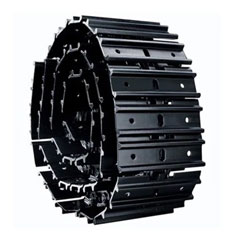
The undercarriage, including sprockets, track link assemblies, track chains, suspension components, rollers, idlers, pins, and bushings, supports the excavator’s entire weight and endures challenging terrain daily. Undercarriage repairs are notoriously expensive.
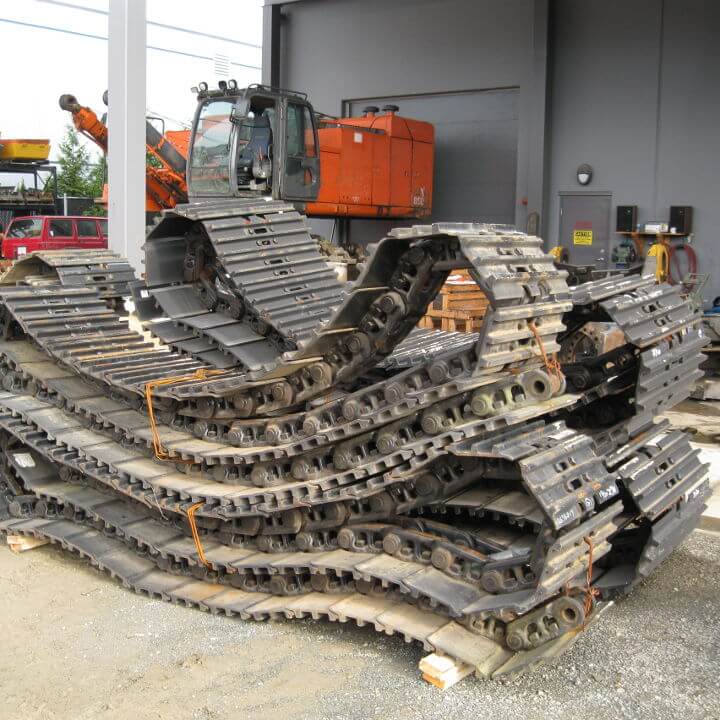
Why They Fail and Consequences:
Improper Track Tension
This is one of the most significant factors affecting undercarriage wear.
- Too Loose: Causes instability, rocking, and the tracks can come off. This also leads to excessive wear on components like pins, bushings, and the sprocket.
- Too Tight: Puts excessive pressure on bearings, increases friction, speeds up wear, reduces track power, and increases fuel consumption.
Debris and Mud Accumulation
Mud and debris stuck in the track frame can have a destructive effect on undercarriage components. Cleaning tracks immediately after a shift, while still warm, is crucial to prevent this.
General Wear and Tear
Continuous operation and exposure to obstacles naturally lead to wear. Regular inspections are necessary to identify issues like damaged track pins or oil leaks from seals that could harm rollers, idlers, and the track drive motor.
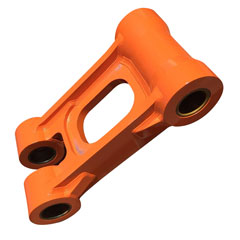
The Working Joints: Linkage & Pins
Linkage and pins, including H-links and side links, are essential for the precise extension and contraction of the excavator’s bucket. They are constantly under heavy loads and repetitive motion.
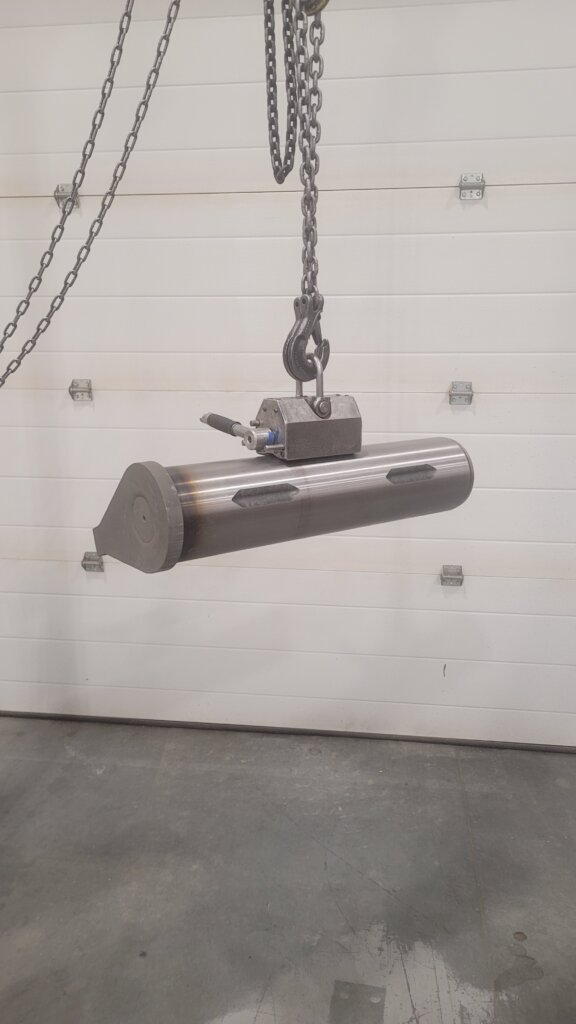
Why They Fail and Consequences:
Wear and Tear
Constant movement and load bearing lead to wear on pins and bushings, causing excessive movement in the joints.
Lack of Lubrication
Proper greasing of pins and bearings is necessary to minimize friction and extend their service life. Without it, strain on components increases, leading to premature failure.
Metal Fatigue and Cracks
Strain and stress can cause metal fatigue, resulting in cracks and fractures that weaken the metal. These can be caused by impact, vibration, and general wear. Corners of the bucket, pin and linkage points (especially weld seams), and the boom’s top radius and base are common areas for cracks. Small cracks can quickly become dangerous and expensive if not repaired promptly.
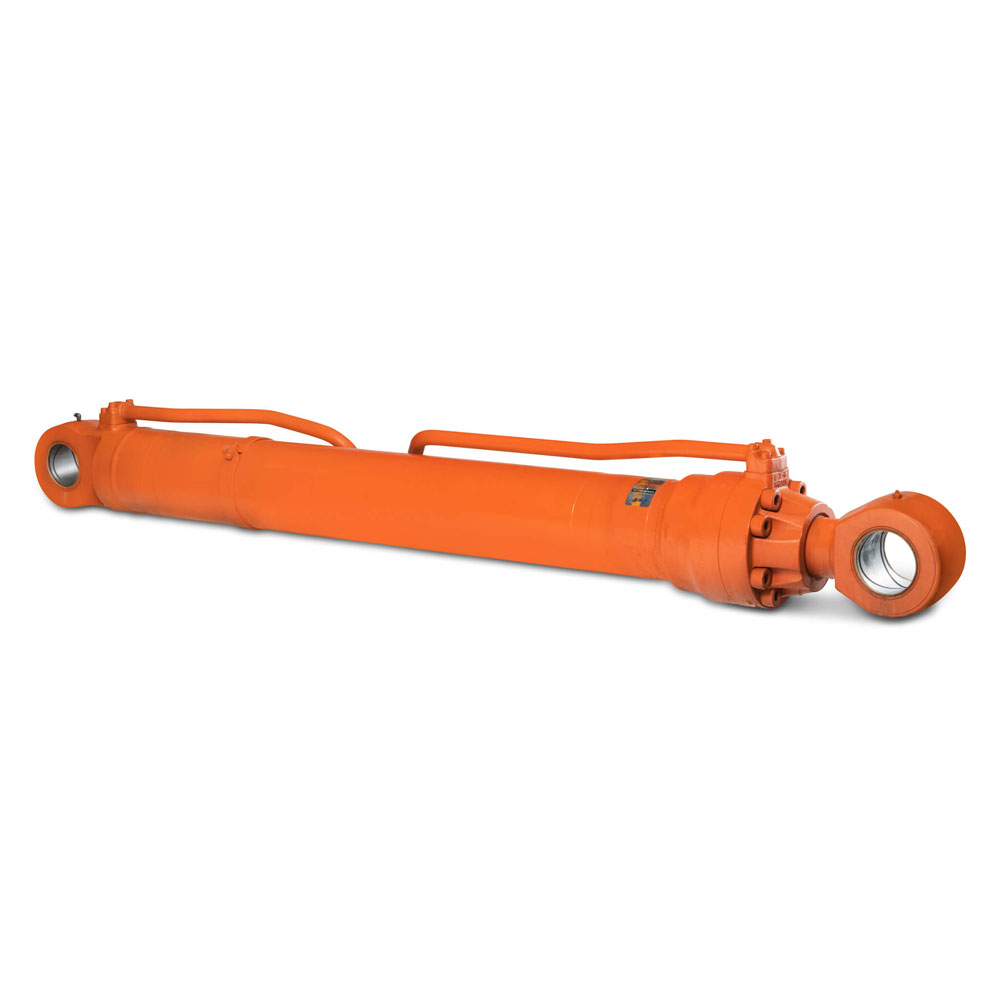
Precise Control: Cylinders (Boom, Stick, Bucket)
Boom, stick, and bucket cylinders are critical for pinpoint excavator control and seamless movement. Their failure brings projects to a standstill.
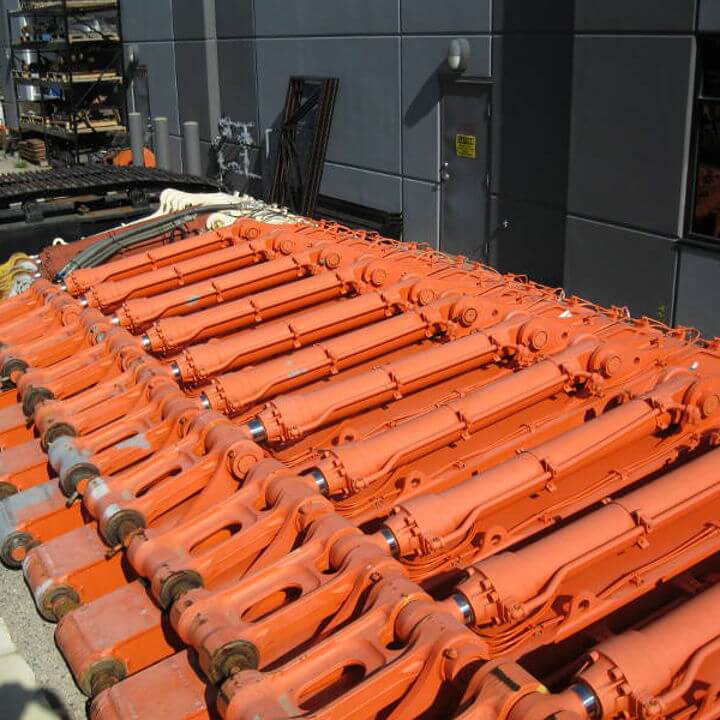
Why They Fail and Consequences:
Leaks
Hydraulic cylinders can develop leaks, which are critical to check for. These leaks can reduce hydraulic pressure and impact performance.
Temperature Changes and Usage
Seals in cylinders are affected by temperature fluctuations and continuous use, increasing the likelihood of leaks or damage.
Corrosion
As metal components, cylinders are vulnerable to corrosion, especially in harsh, moist, or dirty environments. Corrosion weakens parts and reduces efficiency.
Damaged Hoses and Hard Lines
Hoses connected to cylinders are subject to wear and tear, and temperature changes can cause cracking or swelling. Damaged hoses can lead to hydraulic fluid loss and system malfunction.
Overheating Hydraulic Oil
As we have already mentioned, high temperatures can “cook” hydraulic oil, which can tarnish the working surfaces of cylinders and pistons and damage seals, leading to serious long-term issues.
Poor Lubrication
Insufficient or improper lubrication leads to increased friction and accelerated wear on moving parts, impacting their service life.
Other Vital Components: Cabs, Swing Gear Boxes, and Swing Motors
While not failing as frequently as hydraulic or wear-and-tear components, other parts like cabs, swing gear boxes, and swing motors are crucial for overall operation and safety.
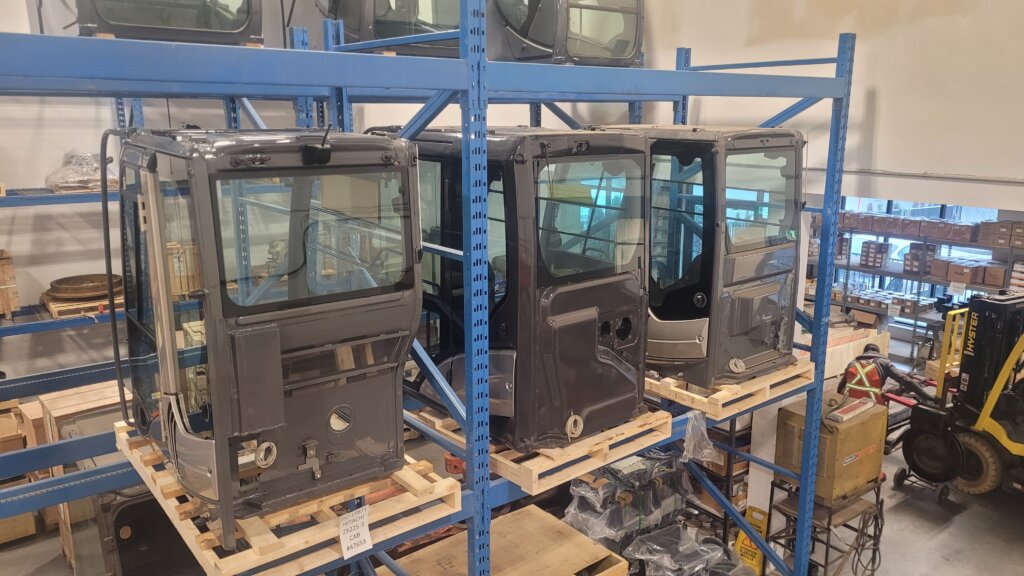
Cabs
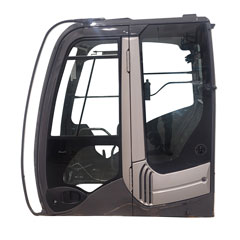
Though perhaps not “frequently replaced” due to wear in the same way as mechanical parts, cabs ensure operator safety and comfort. Langley Excavator Parts offers new surplus cabs for Hitachi and other leading brands, built to meet industry requirements. Ensuring displays, monitors, air filters, lights, climate control, and windshield wipers are in good working order in the cab is also important for safe operation.
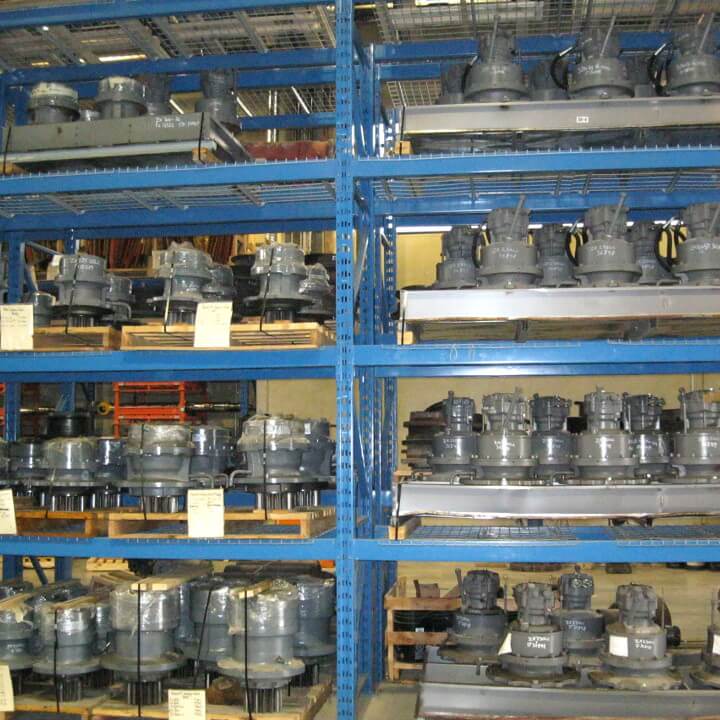
Swing Gear Boxes
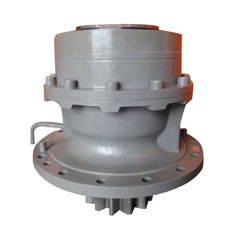
These parts are essential for ideal excavator rotation and reducing damaging loads on the swing motor.
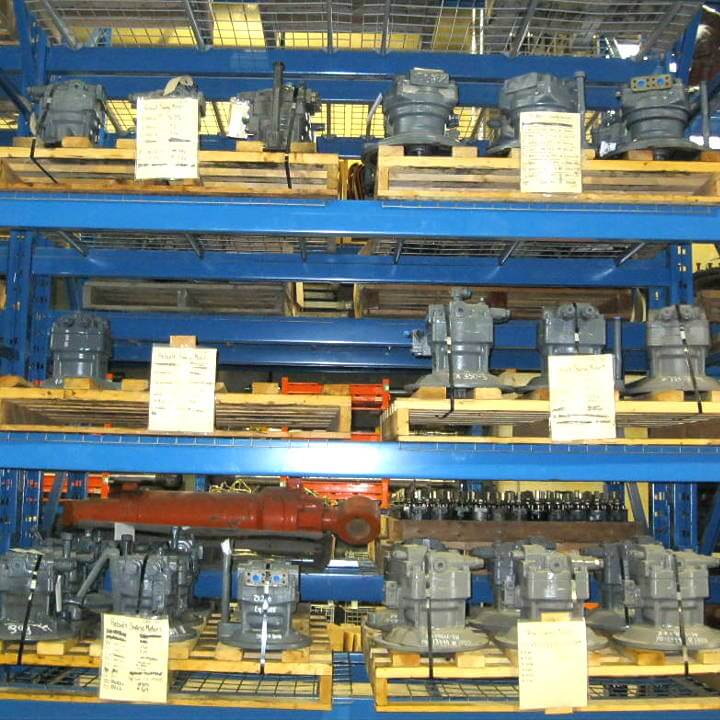
Swing Motors
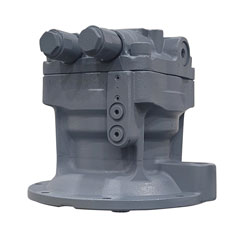
Critical for the machine’s turning force and safe operation. Consistent performance is key to productivity.
Why Choose Langley Excavator Parts for Your Replacement Needs?
When your excavator requires new, rebuilt, or refurbished components, choosing a reliable supplier is paramount. Langley Excavator Parts stands out as Canada’s leader for excavator parts, backed by over 40 years of service. Our business was founded on principles of honesty, integrity, and quality, which remain at our core today.
Here’s Why You Should Turn to Us:
Unrivaled Expertise
Our team consists of experienced and knowledgeable staff with mechanical backgrounds and decades of hands-on experience. We have been exclusively focused on sourcing, rebuilding, fixing, and shipping reliable parts for excavators since 1995, transforming from equipment sales to parts exchange and repair.
Extensive Inventory
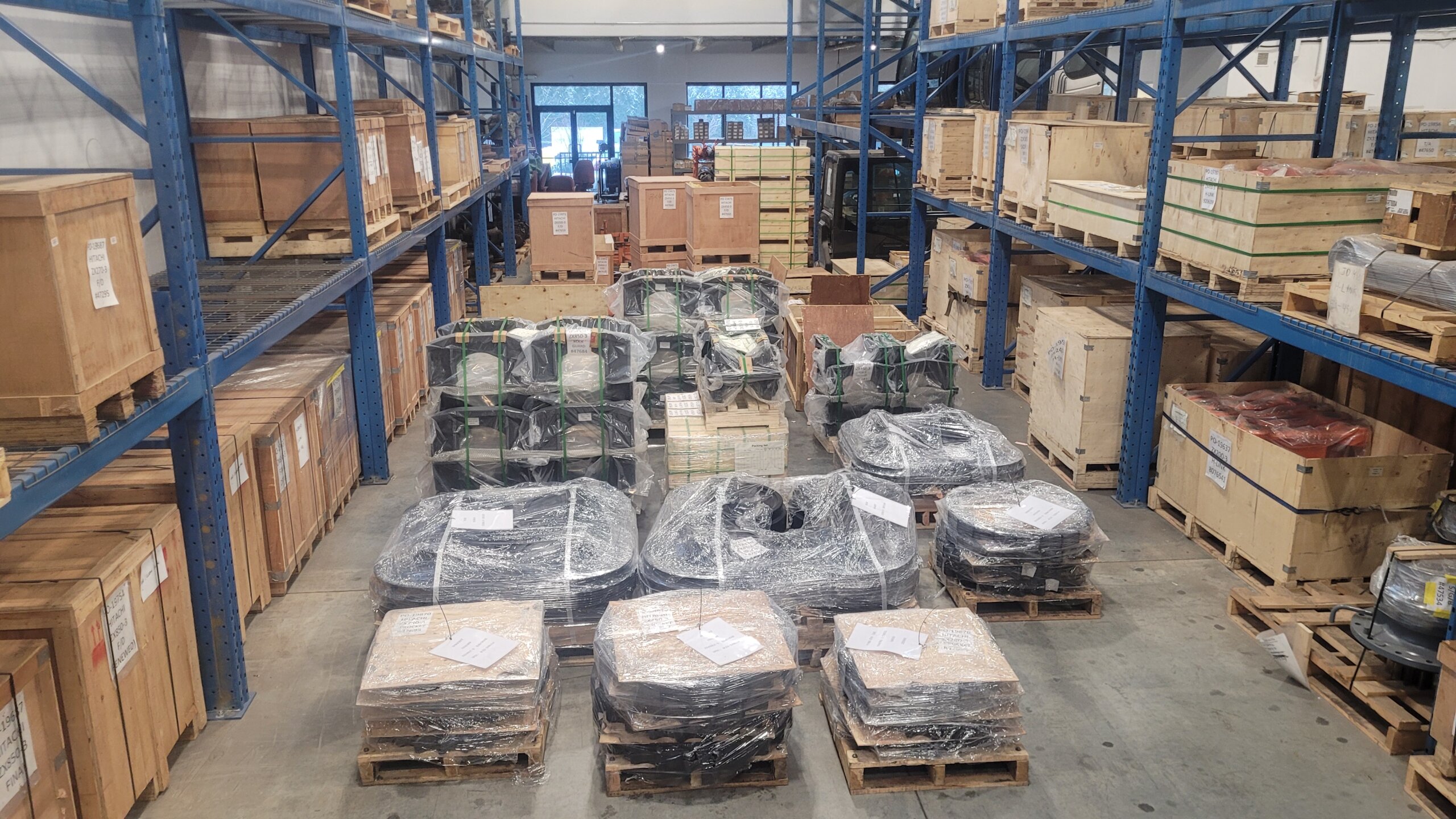
We boast one of the largest and most diverse inventories of new, rebuilt, and refurbished excavator components and parts in North America. We stock parts for various models, from 20 tons up to the largest mining shovels. This includes essential items like cabs, travel motors, final drives, hydraulic components, cylinders, linkage & pins, Rotec bearings, swing gear boxes, swing motors, and undercarriage parts.
Leading Brands Supported
We supply factory replacement parts for John Deere, Hitachi, Caterpillar, Volvo, and Link-Belt excavators, with more brands continually being added.
Commitment to Quality
Every part undergoes a thorough pre-delivery inspection before shipping. We offer factory replacement parts built to the industry’s highest standards, combining the world’s best engineering with local parts expertise.
Minimized Downtime
Our primary goal is to get you the parts you need quickly to minimize costly downtime, understanding the urgency when machinery fails.
Exceptional Customer Service
We are consistently rated as a top company for customer service, dedicated to solving business owner challenges and adapting our services to deliver the right product.
Secure Global Shipping
We give careful consideration to shipping methods, using custom-built wooden pallets crafted from quality lumber to ensure your components arrive safely and securely, even absorbing increased lumber costs without passing them on to clients.
Don’t let unexpected part failures bring your operations to a halt! Proactive maintenance and access to high-quality replacement parts are crucial for protecting your investment and maintaining productivity.
Contact Langley Excavator Parts today for expert assistance! Call us at 1-888-973-8684 or contact us online to find the new, rebuilt, or refurbished parts you need to keep your excavators operating at their peak performance and protect your bottom line!
Frequently Asked Questions
Q1. How can I extend the life of my excavator’s hydraulic components?
Maintain proper hydraulic fluid levels and quality by following recommended change intervals. Keep hydraulic tanks clean, replace filters on schedule, and address leaks immediately. Regular system inspections can identify problems before they become expensive failures.
Q2. Are rebuilt excavator parts as reliable as new ones?
Quality rebuilt parts from reputable suppliers like Langley Excavator Parts can perform as well as new parts at significant cost savings. Professional rebuilding processes restore components to OEM specifications using genuine parts and advanced techniques.
Q3. What’s the most cost-effective maintenance schedule for my excavator?
Follow your manufacturer’s recommended maintenance schedule as a baseline, but consider more frequent service in harsh conditions. Preventive maintenance costs are typically 10-15% of reactive repair costs, making regular service a smart investment.
Q4. How do I know when undercarriage components need replacement?
Monitor track tension, inspect for excessive wear on sprockets and idlers, and measure track pad thickness. Uneven wear patterns often indicate alignment issues that should be addressed promptly to prevent premature component failure.
Q5. Can I mix different brands of hydraulic fluid in my excavator?
While possible in emergency situations, it’s best to use the same brand and specification of hydraulic fluid. Different formulations may not be fully compatible and can affect performance. Always consult your operator’s manual for approved fluid specifications.