
The modern hydraulic excavator stands as the backbone of operations across the construction, mining, and forestry industries. It is often the most expensive piece of machinery a business owns, making decisions about its maintenance and repair critical to both productivity and profitability. For excavator owners, selecting the right replacement parts is crucial to maximizing machine uptime, minimizing repair costs, and achieving the best return on investment (ROI). The choice often boils down to OEM excavator parts versus aftermarket excavator parts.
For professionals running high-hour machines and adhering to tight deadlines, minimizing unexpected failures and costly downtime is paramount. The following comprehensive analysis draws on decades of experience in the excavator parts marketplace to compare these two options, helping you safeguard your valuable investment and ensure your equipment operates at peak efficiency for years to come.
We will explore the key differences in cost, performance, warranty, and ROI while spotlighting why Langley Excavator Parts is your trusted partner for quality parts from top brands like Hitachi, John Deere, Caterpillar, Volvo, and Link-Belt.
Understanding Aftermarket and OEM Excavator Parts: What’s the Real Difference?
What Are OEM Excavator Parts?
OEM (Original Equipment Manufacturer) excavator parts are produced by the same company that made your machine (such as Hitachi, John Deere, Caterpillar, Volvo, or Link-Belt). These parts are built to exact factory specifications, ensuring perfect fit, optimum performance, and reliable durability. Brands like Caterpillar and Hitachi design their components specifically for their machines’ engineering. OEM parts maintain your excavator’s original quality, structural integrity, and warranty compliance.
For instance, an OEM track link assembly for a John Deere 210G LC uses proprietary alloys that resist wear in abrasive soils, matching the original blueprint to avoid vibrations or misalignments that could accelerate failures. Owners often worry about compatibility; with OEM, that’s rarely an issue, as they maintain the machine’s factory balance and efficiency.
However, this quality comes at a premium. Excavator parts cost for OEM can run 20-50% higher than alternatives, but the payoff is in longevity. For example, OEM undercarriage parts like sprockets often outlast generics by 40%, per equipment lifecycle studies. For high-stakes jobs, where a crack in a suspension component could halt a multimillion-dollar project, OEM provides that unshakeable confidence.
In essence, choosing OEM excavator parts means investing in the ecosystem your machine was born into, minimizing risks and maximizing uptime. It’s the go-to for fleets prioritizing warranty compliance and resale value.
What are Aftermarket Excavator Parts?
Aftermarket excavator parts, on the other hand, come from third-party manufacturers not affiliated with the original equipment maker. These could be produced by specialized firms aiming to replicate OEM specs at a fraction of the cost, offering options for rebuilt or refurbished undercarriage components like track chains.
The appeal is clear: affordability. Aftermarket sprockets for a Volvo EC210 might cost 25-40% less, freeing up capital for other needs. But quality varies wildly since top-tier aftermarket suppliers use reverse-engineered designs with high-grade steel, delivering performance close to OEM, while budget options might skimp on heat treatment, leading to premature wear.
A common concern among owners is reliability. While some aftermarket parts shine in light-duty scenarios, they can falter under heavy loads, with reports of up to 20% higher failure rates in demanding environments. For example, a generic track link assembly might develop micro-cracks sooner due to inconsistent metallurgy, reflecting industry data where subpar materials contribute to 25% of undercarriage issues.
Nonetheless, not all aftermarket parts are equal. Reputable brands focus on innovation, like enhanced bushings for better lubrication, addressing pain points OEMs overlook. In general, for cost-conscious operators, aftermarket excavator parts represent a strategic gamble – potentially rewarding if vetted properly, but risky if rushed.
Excavator Parts Cost: OEM vs Aftermarket Analysis
Cost differences are a major consideration: aftermarket parts typically come at a significant discount. However, initial savings may be offset by shorter life cycles or more frequent replacements that increase long-term expenses. It’s important to assess the Total Cost of Ownership (TCO), which includes purchase price, labour costs, machine downtime, fuel efficiency, and operational reliability.
OEM excavator parts command higher prices due to R&D and branding. For example, if a new Caterpillar 320 undercarriage kit might cost $8,000-$12,000, reflecting premium materials and testing. Aftermarket equivalents may cost $5,000-$8,000, a 30-40% savings that tempts tight budgets.
But if you dig deeper, installation for mismatched aftermarket parts can add 15-20% in labour if adjustments are needed, per fleet management reports. For example, when taking into account shipping, OEMs streamline via dealer networks, while aftermarket lead times stretch 2-4 weeks, potentially costing $500+ in daily downtime at $200/hour machine rates.
Hidden fees amplify this. Aftermarket failures spike repair cycles – industry averages show generics needing replacement 1.5x sooner, inflating total ownership costs by 15-25%. For undercarriage parts like track chains, OEM’s edge shines: a $2,500 OEM sprocket vs. $1,500 aftermarket might seem lopsided, but factor in OEM’s 2,500-hour lifespan versus 1,200 for budget aftermarket, and the per-hour cost evens out.
Owners grappling with excavator parts cost should tally these intangibles. Tools like simple spreadsheets can reveal: Over 5,000 hours, OEM often undercuts the aftermarket by 10-15% when experiencing excavator downtime. Smart choices here aren’t about pinching pennies – they’re about preserving profits.
Performance and Reliability Comparison
When comparing OEM against aftermarket excavator parts, performance boils down to how they hold up under torque, terrain, and time – key worries for owners facing uneven job sites.
OEM parts excel in durability. Engineered for synergy, a Hitachi ZX210’s OEM suspension components distribute stress evenly, reducing fatigue cracks significantly. Consequently, you achieve more efficiency since precise tolerances mean less fuel burn – OEM hydraulics can shave consumption versus ill-fitting generics.
Aftermarket excavator parts counter with versatility. High-end options, like reinforced track link assemblies, match OEM torque ratings while adding features like self-lubricating pins for less drag. However, variability hurts: Lower-grade aftermarket sprockets might warp under overload, dropping efficiency and inviting cracks. Likewise, undercarriage failures from material flaws, including cracks in links and shoes, account for a large portion of excavator downtimes, with aftermarket implicated in more cases than OEM.
Real-world tests, like those from construction journals, show OEM holding a higher peak performance after 2,000 hours, compared with that of aftermarket parts. For owners, this translates to fewer surprises: OEM minimizes vibration-induced wear, while vetted aftermarket boosts agility in short-haul ops.
Ultimately, performance isn’t binary – it’s contextual. Prioritize OEM for mission-critical reliability; lean aftermarket for adaptable, budget-friendly gains.
Warranty Coverage: OEM vs Aftermarket
OEM parts usually come with comprehensive factory warranties, often lasting from 6 to 12 months or longer, covering defects and performance issues. Aftermarket warranties are shorter and less comprehensive, commonly ranging from 1 to 3 months, thus increasing risk exposure for excavator owners. Choosing parts with robust warranty protection reduces downtime and unexpected repair bills.
For example, Caterpillar offers 12-24 months or 2,000-3,000 hours on undercarriages, covering defects, cracks, and even labour via dealer networks. John Deere matches with 12-month unlimited-hour policies for critical components, ensuring seamless claims.
On the other hand, aftermarket warranties are patchier. Reputable suppliers provide 6-12 months, often prorated by hours, focusing on materials but skimping on installation. For a Volvo aftermarket track chain, expect 1,000-hour coverage versus the OEM’s 2,500.
As a result, in the warranty arena, OEM wins for comprehensive safeguarding, but quality aftermarket parts narrow the gap, which can be a key for fleets balancing excavator parts cost with security.
ROI Calculation and Decision Factors for Excavator Owners
Calculating ROI on excavator parts involves balancing upfront costs with expected life and performance benefits. Nonetheless, cost savings on parts should not compromise machine availability and reliability. Investing in reputable parts prolongs equipment life and reduces operational interruptions, which means a higher overall return. Decision factors include brand trust, warranty, availability, and technical support.
Langley Excavator Parts: Your Trusted Source for Reliable Components
When excavator parts fail, quick access to high-quality replacement components is crucial to minimizing downtime. Langley Excavator Parts, with a history of serving the excavator parts marketplace since 1977, is dedicated to helping businesses maintain optimal productivity and performance.
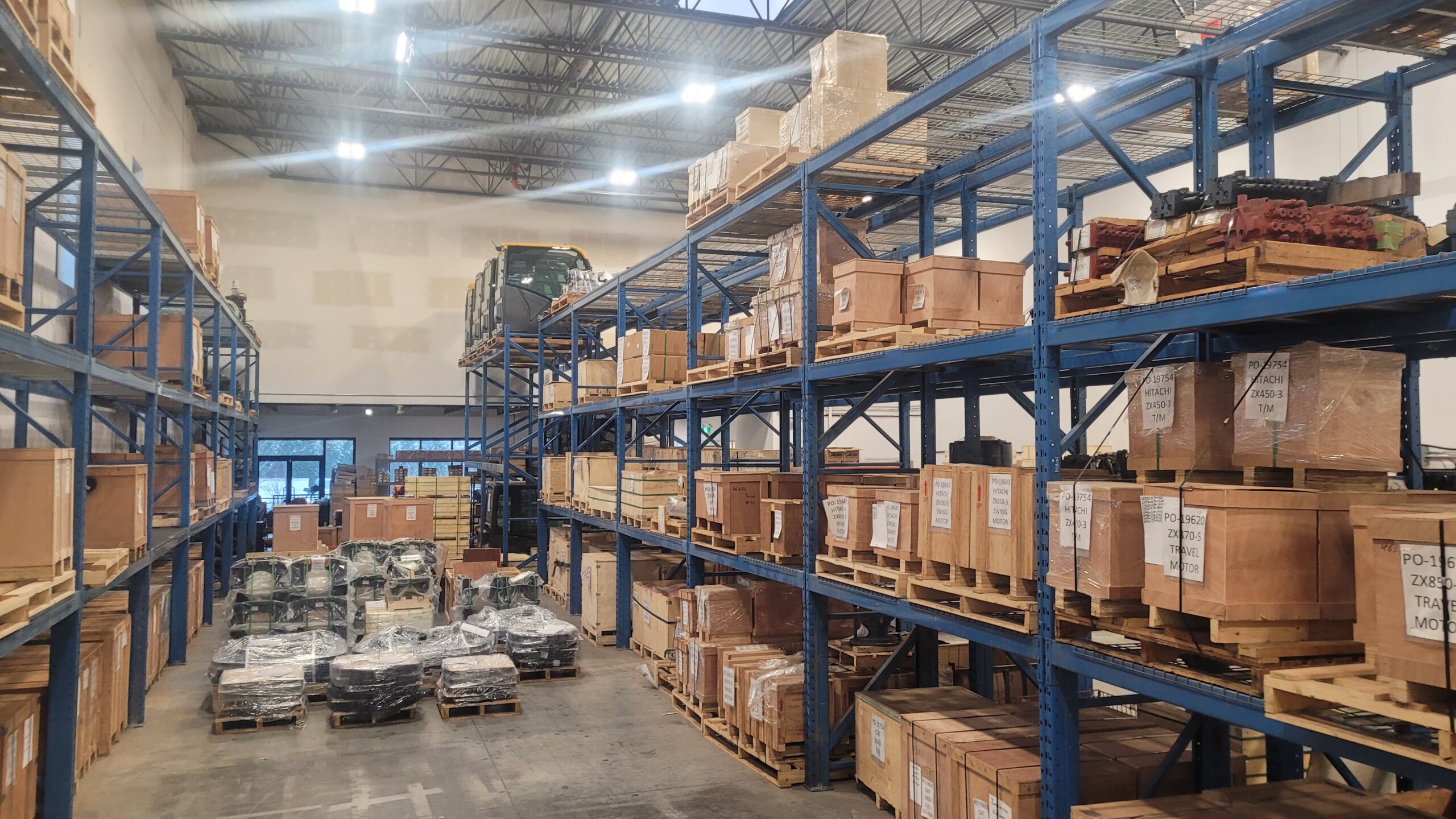
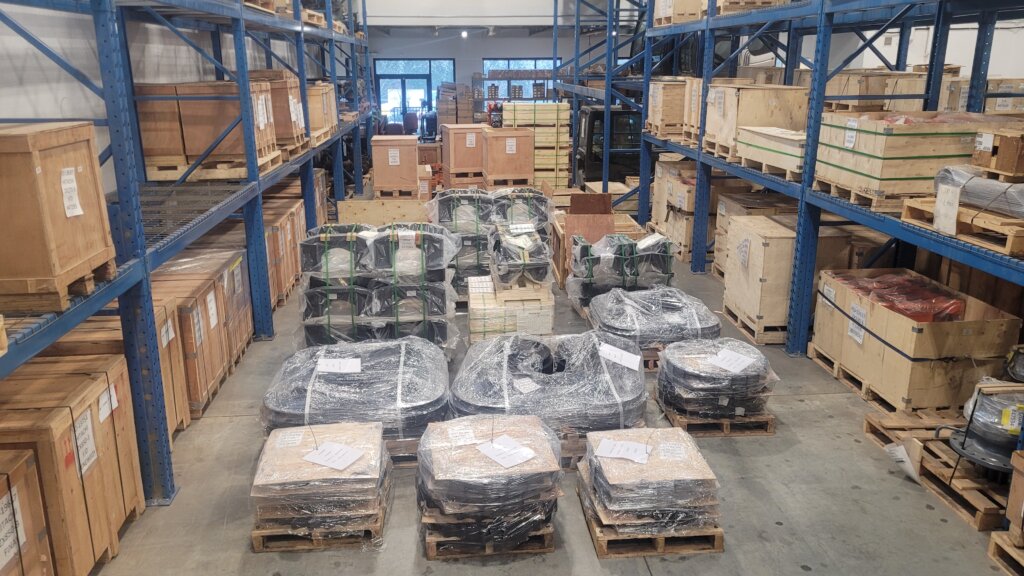
Langley Excavator offers an extensive and diverse inventory of components, including OEM, rebuilt, and refurbished excavator parts. This selection ensures that whether you need the latest factory replacement part or a budget-friendly refurbished option, you can find a suitable solution.
Unrivalled Quality and Inventory
Langley Excavator Parts prioritizes delivering consistently high-quality components, which undergo a thorough pre-delivery inspection before shipping. We are committed to providing tried and tested new factory replacement excavator parts from the manufacturers you trust, ensuring the right fit and function for your specific machine.
Our wide selection includes critical components for Hitachi and John Deere excavators (a core focus since 1995), as well as parts for Caterpillar, Volvo, and Link-Belt excavators, covering machines from 20 tons up to the largest mining shovels.
Our inventory addresses the most common and critical wear components, including:
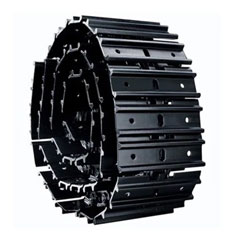
- Undercarriage Parts: Sprockets, track link assemblies, track chains, and suspension components, all built for high performance and longevity.
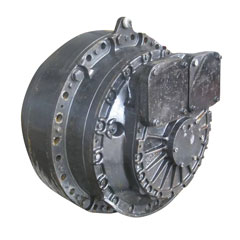
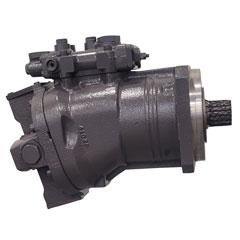
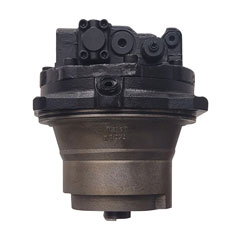
- Hydraulic Components: Travel motors, hydraulic pumps, and control valves.
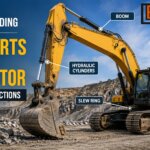
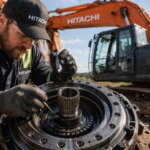
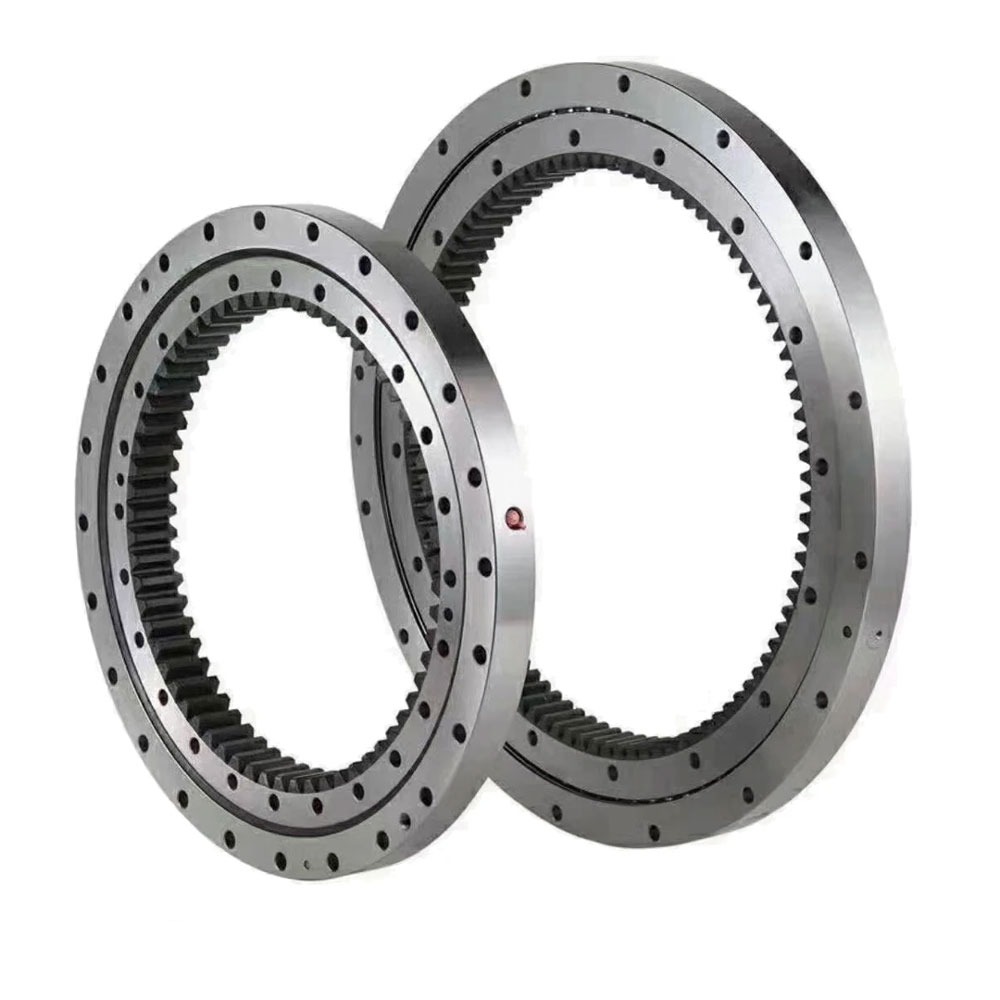
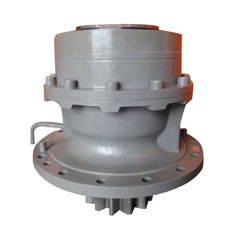
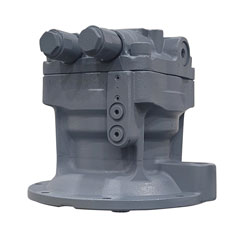
- Rotec Bearings and Swing Systems: Slew ring bearings, swing gear boxes, and swing motors essential for machine rotation and safe operation.
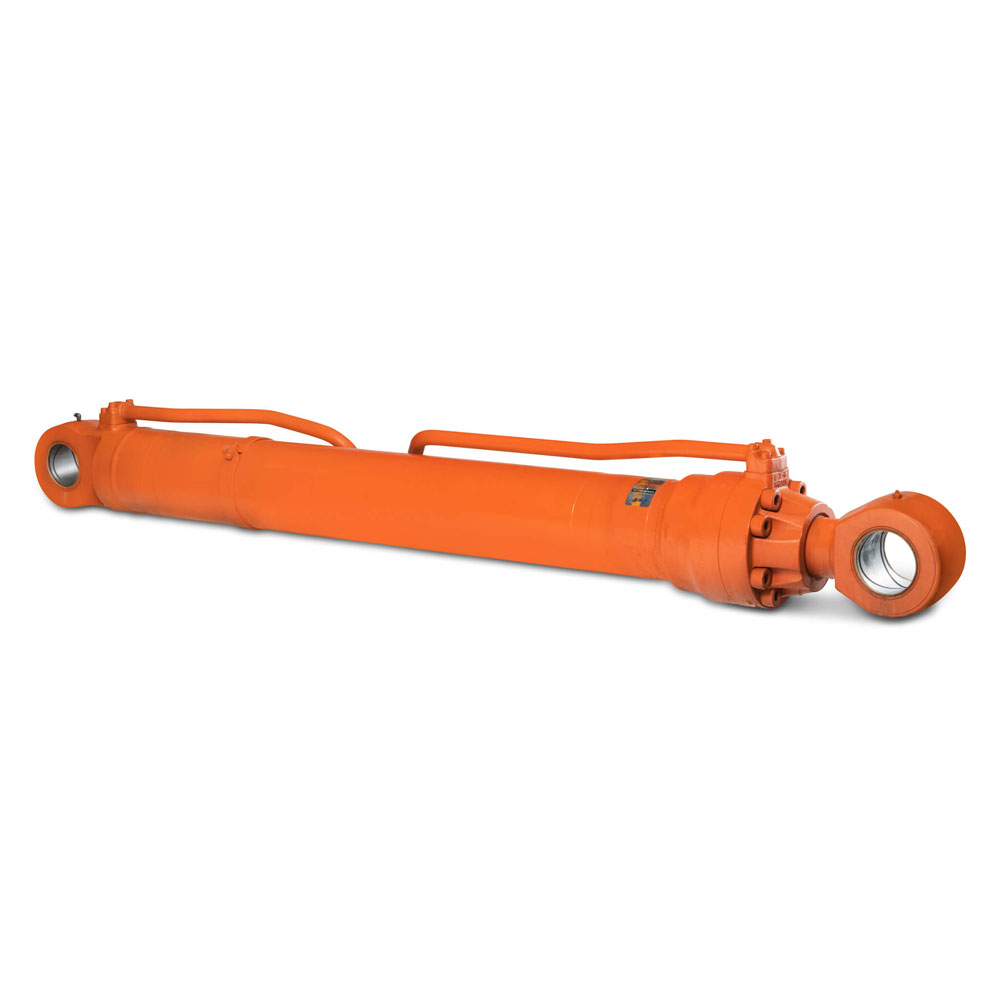
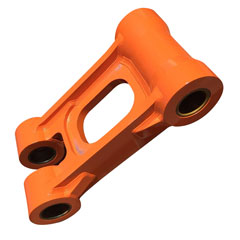
- Front-End Components: Cylinders (boom, stick, bucket) and linkage/pins, built for precision movement.
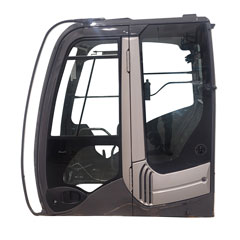
- Other Components: Cabs, final drives, and more.
Expertise You Can Depend On
Langley Excavator’s team consists of experienced and knowledgeable staff with mechanical backgrounds and decades of hands-on experience. Our expertise ensures we can identify and deliver the correct product efficiently, solving business owner challenges and adapting our services to match industry demands. Our goal is always to get you the part you need quickly to minimize costly downtime.
Investing in Uptime and Reliability
The decision between OEM/Factory Replacement parts and lower-cost alternatives is a trade-off between initial savings and long-term security. While aftermarket parts may offer temporary financial relief, high-quality, factory-standard components provide the reliability, precision, and longevity necessary to minimize breakdowns, maintain efficiency, and maximize your excavator’s service life. Investing in quality parts, coupled with proactive maintenance, is the most effective strategy to protect your significant heavy equipment investment.
Don’t gamble with your bottom line or risk critical project delays! Whether you need a new final drive built to the highest factory standards, specialized undercarriage components, or a rebuilt hydraulic pump, Langley Excavator Parts has one of the largest and most diverse inventories of components in North America.
Contact Langley Excavator Parts today to find the reliable, high-quality OEM excavator parts you need to keep your Hitachi, John Deere, Caterpillar, Volvo, and Link-Belt excavators working optimally!
Frequently Asked Questions (FAQs)
Q1. How much cheaper are aftermarket excavator parts?
Aftermarket parts can be 20% to 50% less expensive but vary in quality and warranty.
Q2. Are aftermarket excavator parts reliable for key components?
Only high-quality aftermarket parts from reputable suppliers are recommended for critical parts.
Q3. Can aftermarket parts void my excavator’s warranty?
Yes, many manufacturers like Caterpillar require OEM parts for warranty validity on major repairs. However, vetted aftermarket parts from reputable suppliers won’t always trigger this, but always check your manual or consult a dealer.
Q4. How do I calculate ROI for excavator undercarriage replacements?
Use: ROI = [(Total Revenue – (Part Cost + Downtime + Repairs)) / Initial Part Cost] x 100. Factor in hours worked and rates; OEM often edges out by 10-15% due to fewer failures like cracks.
Q5. Are rebuilt or refurbished excavator parts reliable alternatives to new parts?
Quality rebuilt and refurbished excavator parts offer excellent reliability when professionally restored using proper processes and genuine replacement wear components. Reputable rebuilders disassemble components completely, replace worn elements, machine surfaces to restore specifications, and test assemblies before sale. Professionally rebuilt hydraulic cylinders, final drives, and swing motors typically perform comparably to new parts at 40-60% cost savings. The key is sourcing from established rebuilders providing warranties and quality documentation. Avoid rebuilt parts from unknown sources lacking warranty support or quality verification. For critical applications or newer equipment, new OEM or premium aftermarket parts remain preferable, but rebuilt components excel for older equipment, budget-conscious operations, or non-critical applications..