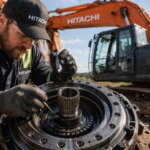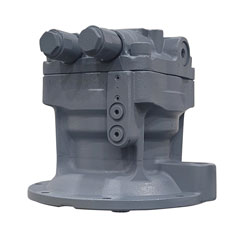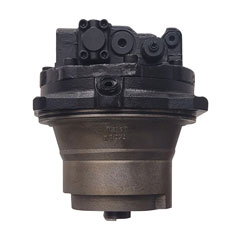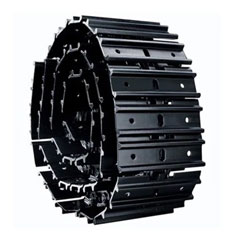


As the temperature drops, the stakes for heavy equipment owners rise dramatically. Winter is not just uncomfortable for operators; it is chemically and physically aggressive toward your machinery. Industry data suggests that the average cost of a winter breakdown for construction fleets can range in the thousands when factoring in repairs, downtime, and project delays. Furthermore, equipment exposed to extreme cold without proper preparation can see failure rates skyrocket.
For excavator owners, the difference between a profitable season and a financial disaster often lies in proactive maintenance. At Langley Excavator Parts Inc., we understand that your machines need more than just hope to survive the freeze; they need a rigorous preparation strategy and high-quality replacement parts. Our excavator experts share the essential maintenance steps and critical components you need to secure before the first deep freeze hits.
The Science of Cold: Why Excavators Fail
To prevent failure, one must understand why it happens. Cold weather fundamentally changes the properties of the materials your excavator is built from.
Your excavator is a complex network of hydraulic hoses and seals. Standard rubber compounds have a “glass transition” point, often around -40°C, where they lose all elasticity and become as brittle as glass. However, even at moderately cold temperatures (around freezing), rubber stiffens significantly. When a stiff hose is subjected to a sudden pressure spike from a hydraulic pump, it doesn’t expand; it cracks.
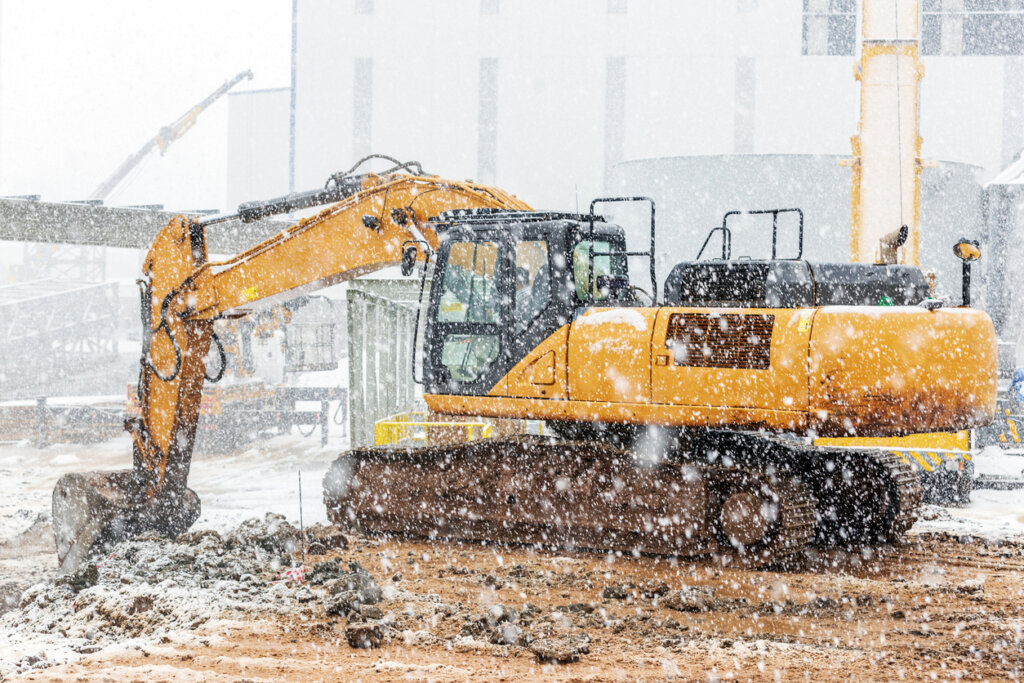
Likewise, we often think of steel as invincible, but it has a weakness: the Ductile-to-Brittle Transition Temperature (DBTT). As temperatures plummet, steel loses its ability to deform under stress and instead becomes liable to fracture. Older carbon steel components or worn undercarriage parts are particularly susceptible to this. A shock load that would merely dent a bucket in July could shatter a tooth or crack a boom in January.
Hydraulic System Defence Strategy
As we have mentioned many times before, the hydraulic system is the lifeblood of your excavator, and it is uniquely vulnerable to winter conditions.
Hydraulic fluid thickens in the cold, forcing pumps to work harder and increasing the risk of cavitation, where air bubbles form and collapse, damaging the pump internals. You can minimize this risk by:
- Checking Viscosity: Ensure your hydraulic oil is rated for the lowest expected temperature in your region. You may need to switch to a winter-grade ISO 32 or a multi-viscosity synthetic fluid.
- Warming-Up is Non-Negotiable: Never operate full-throttle immediately. Industry best practices recommend idling the engine and cycling cylinders slowly for at least 15–20 minutes to circulate warm fluid.
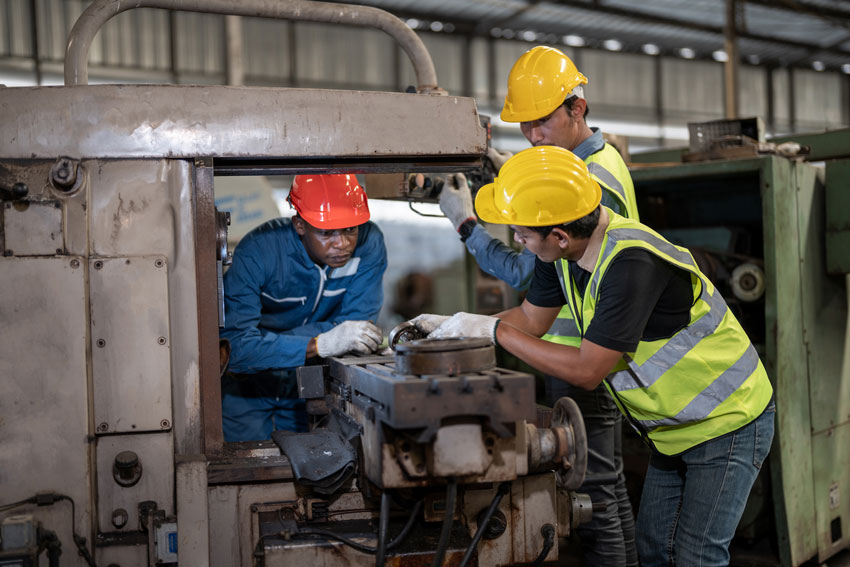
In addition, before winter weather sets in, you should inspect every inch of your hydraulic hoses. Look for:
- Micro-cracks: Small surface cracks on the outer shell can propagate quickly in the cold.
- Weeping Fittings: Metal fittings contract in the cold, potentially loosening connections. Tighten or replace seals on any fitting showing signs of “weeping.”
Undercarriage Care: The Foundation of Winter Safety
The undercarriage takes the brunt of winter abuse. Frozen mud and debris can act like concrete, locking up rollers and causing massive tension spikes that snap tracks.
Cleanliness is Critical: At the end of every shift, operators must clean the undercarriage. If mud freezes around the rollers or idlers overnight, the machine will effectively be “welded” to the ground. Forcing the machine to move in this state can strip sprocket teeth or shear track bolts instantly.
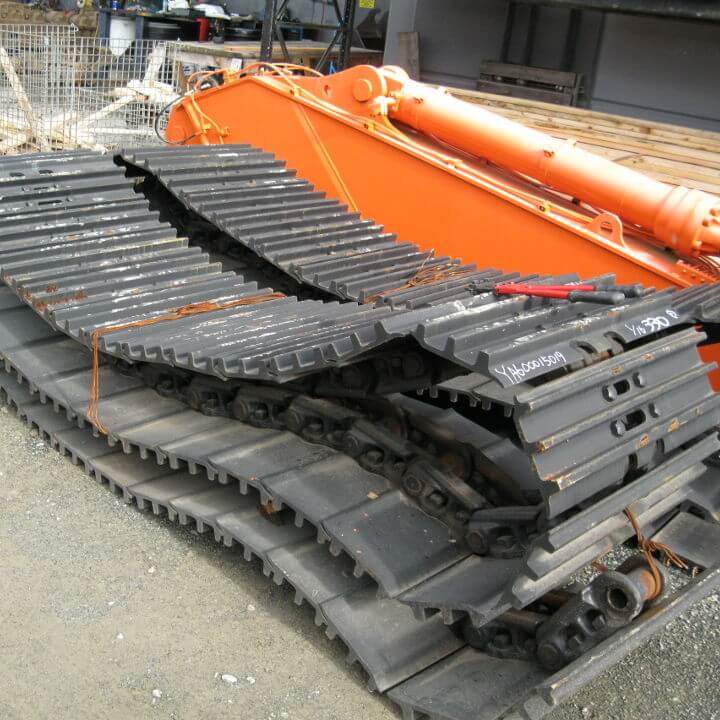
Track Tension Adjustments: Steel tracks do not contract significantly, but the accumulation of packing snow and ice can increase track tension.
- Loosen Slightly: It is often recommended to run tracks slightly looser in winter to accommodate for packing material.
- Inspect Components: Check your track link assemblies and track chains. If they are near the end of their service life, the added stress of winter operation will likely cause them to fail. Replacing worn chains now is cheaper than an emergency field repair in a blizzard.
Engine and Battery Health
Cold weather demands more from your engine while simultaneously making it harder to start.
Chemical reactions inside a battery slow down in the cold. A battery that seems fine at 10°C might fail completely at -10°C.
- Load Test: Have your batteries load-tested.
- Check CCA: Ensure your batteries meet the Cold Cranking Amps (CCA) requirements for your specific machine model.
- Connections: Clean all terminals. Corrosion adds resistance, which is the enemy of cold starting.
If your excavators are parked outside, block heaters are essential investments. They keep the engine coolant warm, ensuring easier starts and reducing wear on the starter motor and battery.
Lubrication Strategy: Grease and Gears
Grease that works well in summer can turn into a waxy paste in winter, failing to reach critical pivot points.
Switch to grease suitable for winter weather. Use a low-temperature grease (often NLGI #1 or #0) that remains pumpable in sub-zero conditions. Prefer to use products made with synthetic base oils, particularly PAO or silicone, and thickened with agents such as lithium soap, calcium sulfonate, or aluminium complex.

If your machine has an auto-lube system, verify that the lines are not clogged with old, thick grease. Purge the lines with winter-grade lubricant before the temperature drops.
What’s more, you should check the oil levels in your final drives and swing gearbox. Low oil levels are disastrous in winter because the smaller volume of fluid cools down faster and provides less protection against condensation and corrosion.
Attachments and Ground Engaging Tools (GET)
Frozen ground is incredibly abrasive and hard. It impacts your bucket teeth and cutting edges with much higher force than summer soil. Consequently, you should thoroughly inspect the welds on your buckets and attachments. The combination of hard, frozen ground and brittle steel can turn a hairline fracture into a complete structural failure. It’s therefore a good idea not to enter winter with worn bucket teeth. Dull teeth require more breakout force to penetrate frozen ground, which puts unnecessary stress on the boom, arm, and hydraulic system.
Storage and Parking Protocols
How you park your machine is just as important as how you run it.
- Park on Planks: Never park tracks directly on mud or puddles that might freeze. Park on wooden planks or a bed of clean gravel to prevent the tracks from freezing to the ground.
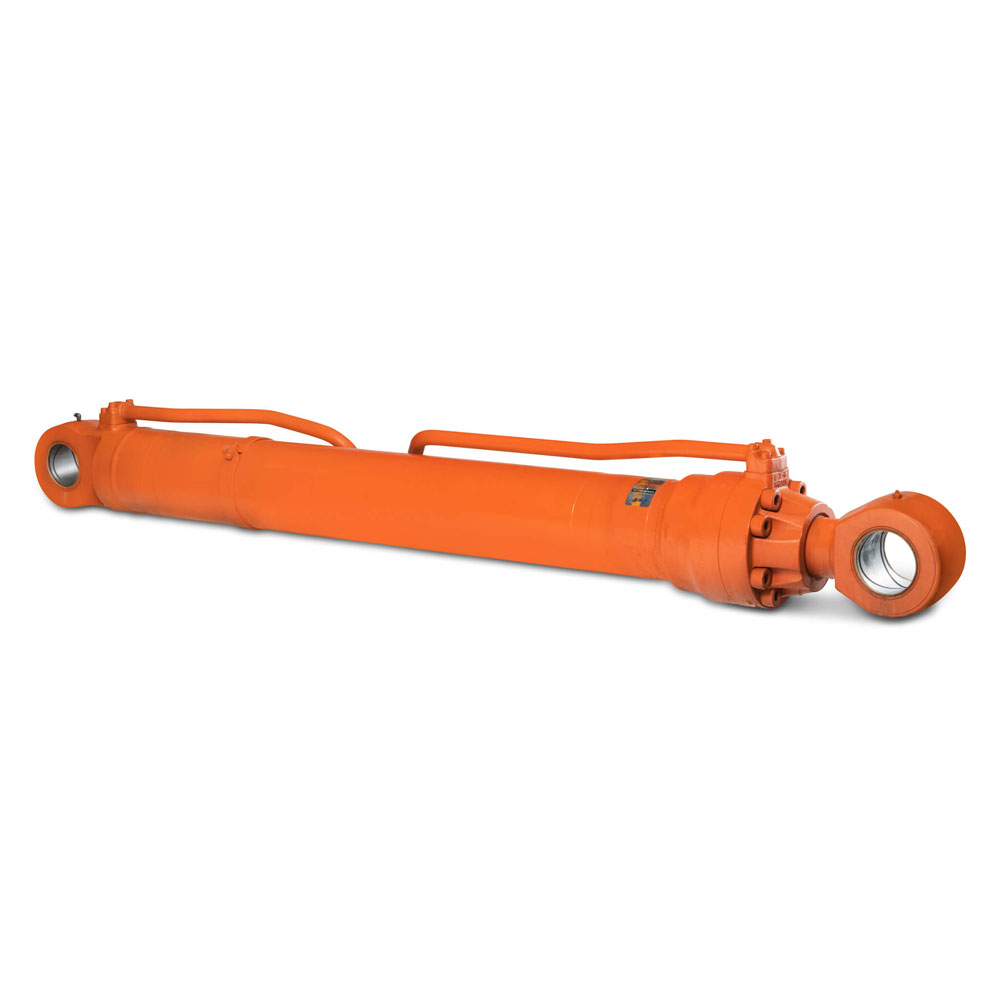
- Retract Cylinders: Store the machine with hydraulic cylinders retracted as much as possible to protect the chrome rods from pitting and corrosion caused by ice and road salt.
- Fuel Tanks: Fill the fuel tank at the end of the shift to minimize air space, which reduces the condensation of water that can freeze in fuel lines.
Cabs and Operator Safety Checks
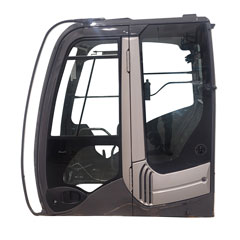
A functional cab boosts operator focus in long winter shifts. Verify heaters, defrosters, and wipers work flawlessly for clear visibility in blizzards. Replace door seals to block drafts and ice ingress, maintaining interior warmth.
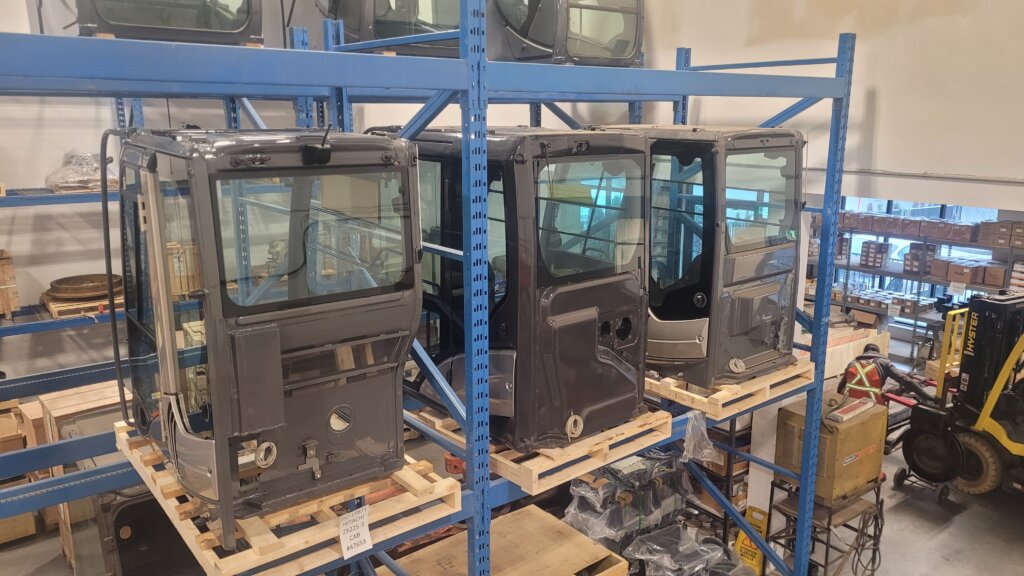
Check mirrors, lights, and backup alarms for ice damage. Ergonomic adjustments reduce fatigue. Safe, comfortable cabs enhance job site efficiency.
Why Excavator Owners Turn to Langley Excavator Parts
When winter takes its toll, you need a partner who understands the urgency of downtime. Langley Excavator Parts Inc. has been a trusted leader in the heavy equipment industry for over 40 years. We don’t just sell parts; we provide solutions that keep your business moving.
We specialize in supplying high-quality New OEM, Rebuilt, and Refurbished excavator components. Whether you are running Hitachi, John Deere, Caterpillar, Volvo, or Link-Belt equipment, we have the inventory to support you.
Our Core Offerings Include:
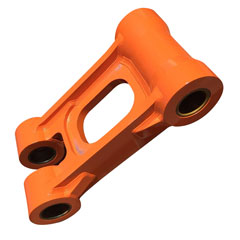
- Undercarriage Parts: We stock robust sprockets, track link assemblies, track chains, and suspension components designed to withstand the brutal friction of winter operations.
- Tried and Tested Reliability: Our rebuilt and refurbished parts undergo rigorous inspection and testing, ensuring they meet factory specifications without the factory price tag.
- Availability: We understand that waiting weeks for a part is not an option. Our logistical network is designed to get parts to you fast, minimizing that expensive downtime.
Don’t let a broken sprocket or a snapped track link freeze your project. Trust the experts who have kept Canada and North America digging since 1977.
Keep Your Fleet Running Strong – Contact Us Today!
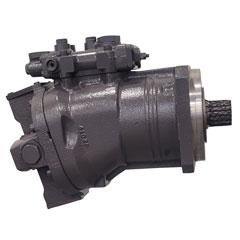
Don’t wait for the freeze to break your fleet. In winter, your excavators need to be ready for the challenging weather conditions. Whether you need a complete undercarriage overhaul or a single replacement hydraulic pump, Langley Excavator Parts Inc. has the Hitachi, John Deere, Cat, Volvo, and Link-Belt parts you need. Contact Langley Excavator Parts today to find reliable, high-quality OEM excavator parts.
Frequently Asked Questions (FAQ)
Q1. How long should I warm up my excavator in the winter?
You should generally warm up your excavator for at least 15 to 20 minutes. Start at a low idle for the first 5 minutes to allow engine oil to circulate, then increase the throttle slightly. Cycle the hydraulic functions (boom, arm, bucket) slowly without a load to circulate warm hydraulic fluid through the cylinders and hoses.
Q2. How often should I change hydraulic fluid in winter operating conditions?
While standard hydraulic fluid change intervals typically range from 2,000 to 4,000 operating hours, winter conditions may warrant more frequent changes if your excavator operates in extremely cold temperatures or if fluid analysis reveals contamination or degradation. Switch to winter-appropriate hydraulic fluid with proper viscosity ratings for cold weather, and consider changing fluid before winter begins if you’re approaching the normal service interval. Regular fluid sampling can help determine whether more frequent changes are necessary based on your specific operating conditions.
Q3. How can I prevent ice buildup in my excavator’s undercarriage?
Preventing complete ice buildup is challenging, but you can minimize accumulation through several strategies. Clean undercarriage components daily at the end of operations before material freezes overnight. Park excavators on dry, level ground when possible to reduce moisture exposure. Consider applying anti-adhesion coatings to undercarriage components that reduce ice bonding. During lunch breaks or extended idle periods, periodically rotate tracks to prevent ice from setting up between components. Despite these efforts, some ice accumulation is inevitable in winter operations, making daily inspection and cleaning essential maintenance practices.
Q4. My sprocket has small cracks near the hub. Can I wait until spring?
Absolutely not. Temperature-induced cracks propagate rapidly in frozen material. Replace immediately to prevent catastrophic failure that can destroy the final drive.
Q5. Why should I choose rebuilt parts from Langley Excavator Parts for my older machine?
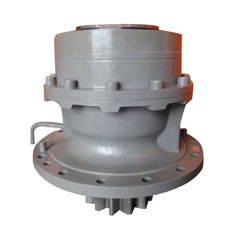
Rebuilt or refurbished parts from Langley Excavator Parts offer a cost-effective solution without sacrificing quality. We thoroughly inspect and restore components like final drives and pumps to OEM specifications. This is ideal for older machines where installing a brand-new factory part might not make financial sense, but reliability is still paramount.