
In the demanding world of construction, mining, and forestry, your excavator is the backbone of your operation. Every component plays a crucial role, but few are as vital to mobility and productivity as the travel motor. When this essential part begins to weaken, it can bring your entire project to a grinding halt, leading to frustrating delays and significant financial losses. At Langley Excavator Parts, we understand the critical importance of keeping your John Deere, Hitachi, Caterpillar, Volvo, and Link-Belt excavators running optimally.
We will discuss the primary reasons why excavator travel motors can become increasingly weaker, providing insights into identifying these issues and, most importantly, how to address them to safeguard your investment and maintain seamless operations.
Understanding Your Excavator’s Travel Motor System
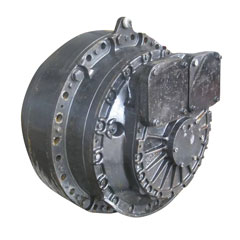
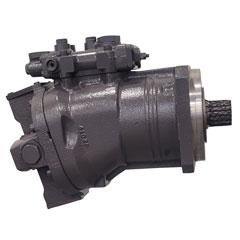
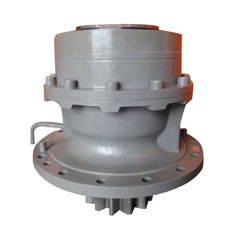
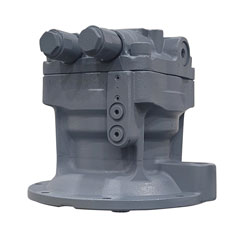
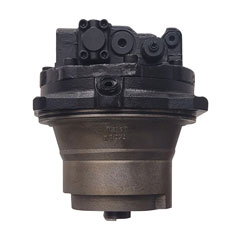
The travel motor is the powerhouse behind your excavator’s mobility. It interfaces with the final drive, providing the power that the final drive transforms into torque to turn the tracks.
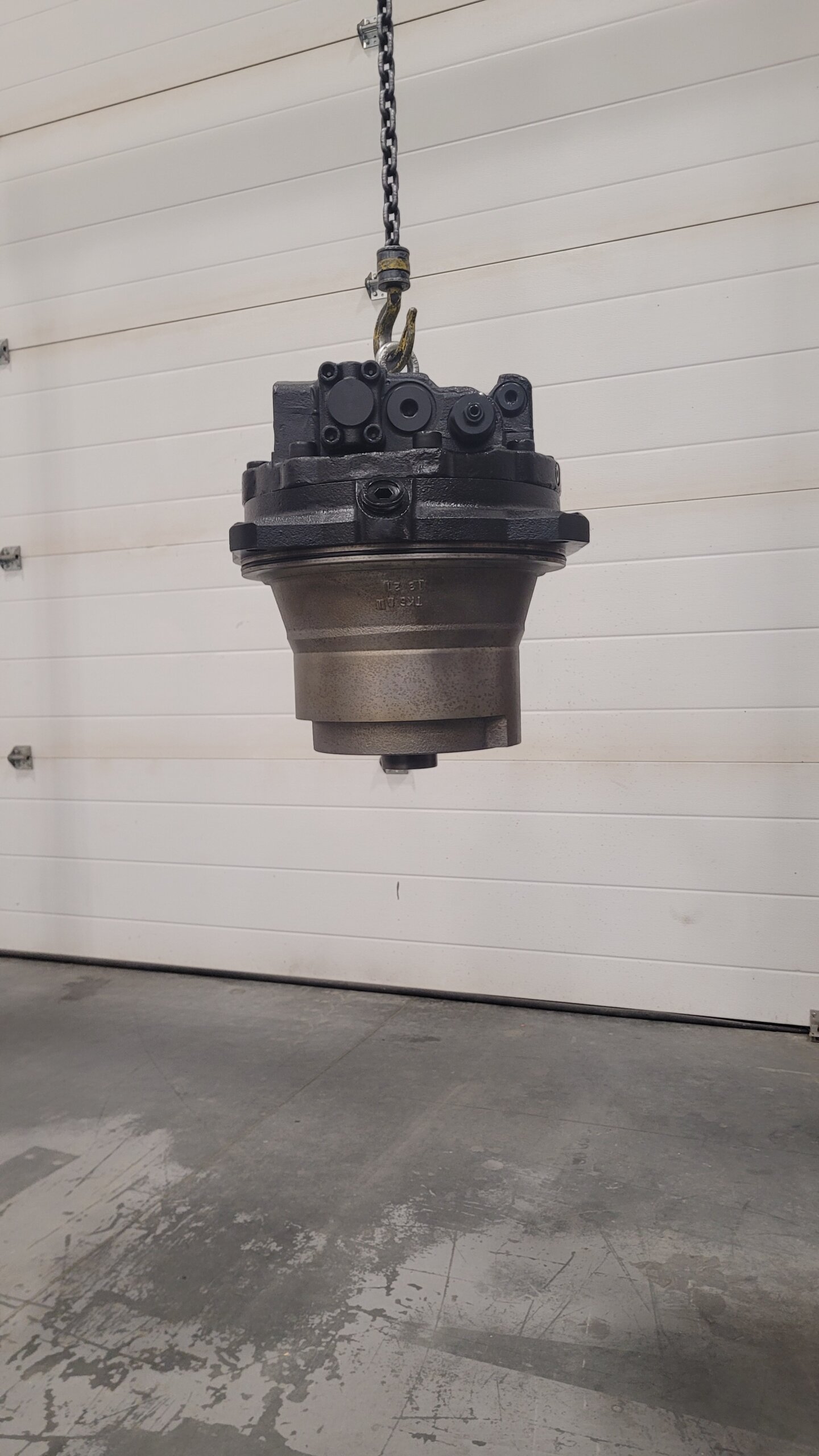
This hydraulic motor converts hydraulic pressure into mechanical rotation, driving the sprockets that move your tracks. The system consists of several interconnected components including the hydraulic motor, planetary gear reduction system, and final drive housing.
When operating properly, your travel motor should provide consistent power for forward and reverse movement, smooth turning capabilities, and sufficient torque for climbing inclines. Any deviation from normal performance indicates potential issues that require immediate attention to prevent costly failures.
The Root Causes of a Weak Travel Motor: Hydraulic System Issues
Since the travel motor is a hydraulic component, issues originating within the broader hydraulic system are often the primary culprits behind its diminished performance.
Hydraulic System Contamination: The Silent Killer
One of the most common causes of weak travel motors is hydraulic fluid contamination. Dirty hydraulic oil containing metal particles, dirt, or water can wreak havoc on your travel motor’s internal components. These contaminants act like sandpaper, gradually wearing down seals, pistons, and other precision parts.
Water contamination is particularly destructive, causing rust and corrosion within the motor housing. Even small amounts of moisture can lead to significant damage over time. Metal particles from worn components elsewhere in the hydraulic system can circulate through your travel motor, accelerating wear and reducing efficiency.
Regular hydraulic fluid analysis and filtration system maintenance are essential for preventing contamination-related failures. Clean hydraulic fluid ensures optimal performance and extends component life significantly.
Improper Fluid Management
The quality and condition of your hydraulic fluid are paramount to the health of your entire hydraulic system, including the travel motor. Hydraulic fluid performs multiple critical functions: it transfers power, lubricates components, and dissipates heat.
Incorrect Fluid Type or Viscosity
Using the wrong type, viscosity, or quality of fluid can severely impact your excavator’s efficiency and resistance to wear. Hydraulic fluid must be thin enough to lubricate remote internal components, yet thick enough to function effectively at lower temperatures. Incorrect viscosity can lead to the formation of air gaps, causing components to work harder, lowering operating performance, and potentially leading to premature breakdown.
Quality of Fluids
Clean, high-quality oil and hydraulic fluid are essential. Cheaper, lower-quality fluids may contain additives that cannot withstand high-duty cycles, potentially causing costly problems. As we have mentioned contaminated hydraulic fluid can distribute impurities and debris throughout the entire system, damaging components including the travel motor.
Low Fluid Levels
Insufficient hydraulic fluid can lead to a decrease in hydraulic fluid pressure. If fluid levels are low, components such as the hydraulic pump will work harder, generating more heat and increasing fluid temperatures above the optimal 82°C (180°F), which can damage seals and affect fluid viscosity. This directly contributes to a weak travel motor.
Worn Internal Components and Seals
Travel motors contain numerous precision-machined components that experience constant wear during operation. Pistons, cylinder blocks, valve plates, and swash plates all work under extreme pressure and temperature conditions. Over time, these components develop wear patterns that reduce hydraulic efficiency and power output.
Seals play a crucial role in maintaining hydraulic pressure within the motor. When seals begin to deteriorate, internal leakage occurs, causing pressure loss and reduced performance. O-rings, lip seals, and gaskets all have finite service lives and require periodic replacement to maintain optimal function.
The planetary gear system within the final drive also experiences wear, particularly on gear teeth and bearing surfaces. Excessive wear in these components can cause power loss, unusual noises, and eventual complete failure if not addressed promptly.
Inadequate Lubrication and Maintenance
Proper lubrication is critical for travel motor longevity and performance. The gear oil in your final drive housing lubricates planetary gears, bearings, and other moving parts. When this oil becomes contaminated, depleted, or is not changed according to manufacturer specifications, component wear accelerates dramatically.
Many excavator operators neglect regular gear oil changes, leading to premature wear and failure. Old gear oil loses its lubricating properties and can become acidic, actually damaging the components it’s supposed to protect. Additionally, inadequate oil levels can cause overheating and accelerated wear.
Regular maintenance schedules should include gear oil analysis, level checks, and replacement according to manufacturer recommendations. This simple maintenance practice can significantly extend travel motor life and prevent costly repairs.
Overloading and Excessive Operating Stress
Travel motors are designed to operate within specific load and speed parameters. Consistently operating beyond these limits places excessive stress on internal components, leading to premature wear and failure. Common overloading scenarios include pushing or pulling loads beyond the excavator’s rated capacity, operating on extremely steep grades, or using the machine for applications it wasn’t designed for.
High-impact operations, such as demolition work or rock breaking, can also stress travel motors beyond their design limits. The shock loads and vibrations associated with these applications can damage internal components and reduce motor life significantly.
Understanding your excavator’s operating limits and matching applications to machine capabilities is essential for maintaining travel motor health and preventing premature failures.
Mechanical Factors Affecting Travel Motor Strength
While hydraulic issues are paramount, several mechanical factors related to the final drive and undercarriage can also contribute to a weak travel motor.
Final Drive Issue
It’s important to understand that travel motor weakness isn’t always caused by the motor itself. Since the travel motor and final drive operate as an integrated system, final drive problems can directly impact travel motor performance. When final drive gears become worn, damaged, or contaminated, they create mechanical resistance that forces the travel motor to work harder, making it appear weak or sluggish.
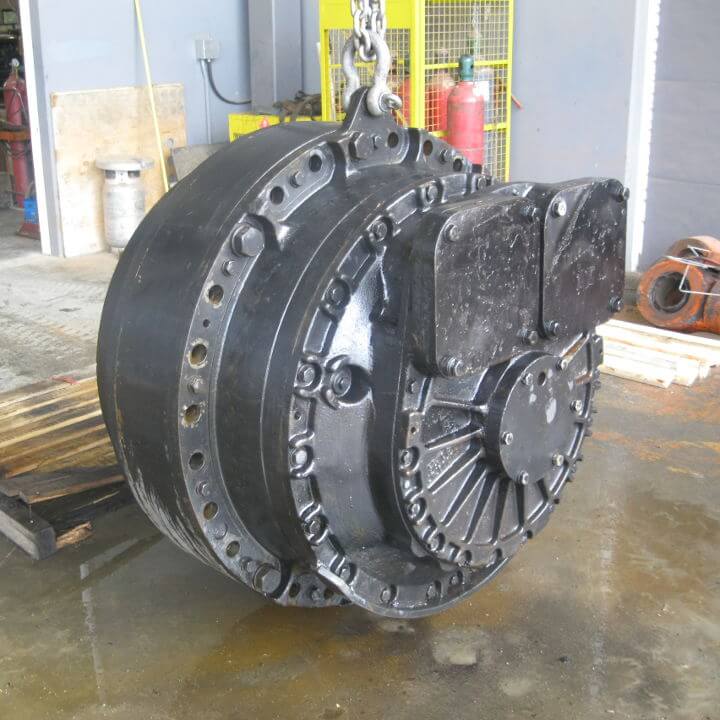
In addition, contaminated gear oil from a failing final drive can migrate into the travel motor’s hydraulic circuits, damaging seals and internal components. A binding final drive can also create back pressure in the hydraulic system, preventing the travel motor from receiving proper flow and pressure.
This interconnected relationship means that what appears to be a failing travel motor might actually be a final drive issue, highlighting the importance of comprehensive diagnostic evaluation rather than component-by-component troubleshooting.
Improper Track Tension
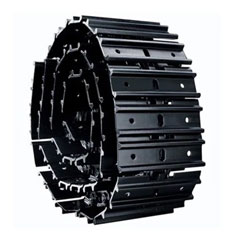
The travel motor’s effectiveness is directly linked to the tracks. If tracks are too loose, they can come off or cause excessive wear on components like pins, bushings, and the sprocket, which can resemble final drive issues. If tracks are too tight, they put unnecessary pressure on bearings, increase friction, and reduce the final drive’s power and fuel efficiency. Daily monitoring of track tension is important, especially in muddy or sandy conditions.
General Wear and Tear / Mechanical Failures
Excavators are built for demanding tasks, but continuous operation, even with excellent maintenance practices, travel motors have finite service lives. Normal wear progression occurs over time, gradually reducing efficiency and power output. High-hour machines naturally experience more wear than low-hour units, making regular performance monitoring essential.
As travel motors age, clearances between components increase, reducing hydraulic efficiency. Seal wear becomes more pronounced, leading to internal leakage and power loss. While this progression is normal, understanding when replacement or rebuilding is necessary helps maintain productivity and prevents unexpected failures.
Environmental Stress: How Summer Heat Impacts Performance
During hot summer months, excavators are particularly susceptible to issues that can lead to a weak travel motor. High temperatures and increased exposure to the sun, combined with demanding workloads, can cause components to work harder and wear down faster.
Overheating Hydraulic System
The hydraulic oil can “cook” in hot weather, damaging seals and tarnishing the working surfaces of cylinders and pistons. This directly impacts the efficiency and longevity of hydraulic components like the travel motor. To combat heat, it’s vital to maintain coolant and hydraulic fluid levels.
Airflow
Keeping dirt and obstructions out of the airflow path, especially for radiators and oil coolers, is crucial for preventing overheating. Regular cleaning, including pressure washing embedded dirt from fins, helps restore proper airflow and prevent temperature-related issues.
Poor Hydraulic System Pressure Regulation
Travel motors require specific hydraulic pressure ranges to operate efficiently. When system pressure is too low, motors lack sufficient power for normal operation. Conversely, excessive pressure can damage internal components and cause premature failure.
Pressure regulation issues often stem from worn hydraulic pumps, faulty pressure relief valves, or damaged pressure sensors. These problems can cause erratic travel motor performance, including weak operation, jerky movement, or complete loss of power.
Regular hydraulic system testing and calibration ensure proper pressure regulation and optimal travel motor performance. Addressing pressure-related issues promptly prevents further damage and maintains operational efficiency.
Addressing a Weak Travel Motor: Your Action Plan
When facing a weak travel motor, a systematic approach is necessary:
- Fluid Check: Immediately check all hydraulic fluid, engine oil, and coolant levels and conditions. Ensure the correct type, viscosity, and quality of fluids are being used. Schedule an oil sample program if contamination is suspected.
- Inspect for Leaks: Visually inspect the hydraulic pump, hoses, lines, and cylinders for any visible leaks. Address even minor leaks promptly.
- Listen and Monitor Temperature: Pay attention to banging or knocking sounds from the hydraulic pump, as this indicates air or cavitation. Monitor hydraulic fluid temperature to ensure it doesn’t exceed 82°C (180°F).
- Check Final Drive and Track Tension: Inspect the final drive fluid levels and seals. Check gears for wear, pitting, or cracking. Ensure track tension is properly adjusted daily, as too loose or too tight tracks can put stress on the final drive and impact power delivery.
- Clean Radiators and Coolers: Maintain optimal airflow by regularly cleaning radiators and oil coolers, especially in dusty conditions.
- Proper Lubrication: Ensure all moving parts, particularly those in the undercarriage and final drive, are frequently and properly lubricated with high heat resistance grease in summer.
- Professional Assessment: If warning signs persist, a qualified excavator mechanic should inspect the machine to diagnose and repair the issue. Early detection and repair can prevent more severe, costly damage.
Why Choose Langley Excavator Parts in BC, Canada for Your Travel Motor Needs
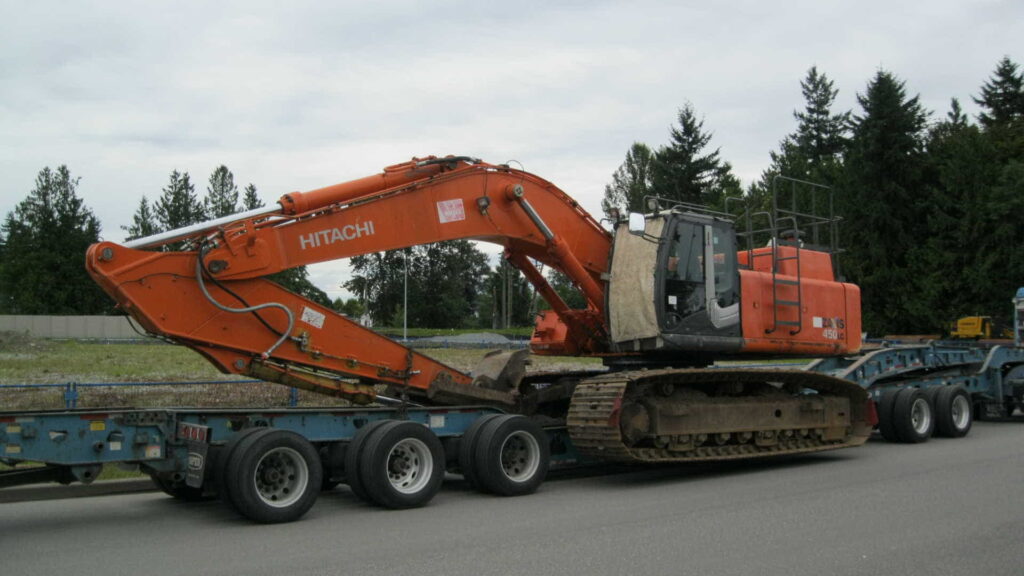
When your excavator’s travel motor is showing signs of weakness or requires replacement, turning to a trusted supplier for quality parts is paramount. Langley Excavator Parts in BC, Canada has been a leader in the excavator parts marketplace since 1977. We focus exclusively on sourcing, rebuilding, fixing, and shipping reliable parts for John Deere, Hitachi, Caterpillar, Volvo, and Link-Belt excavators with more lines coming soon.
Here’s why you should choose Langley Excavator Parts:
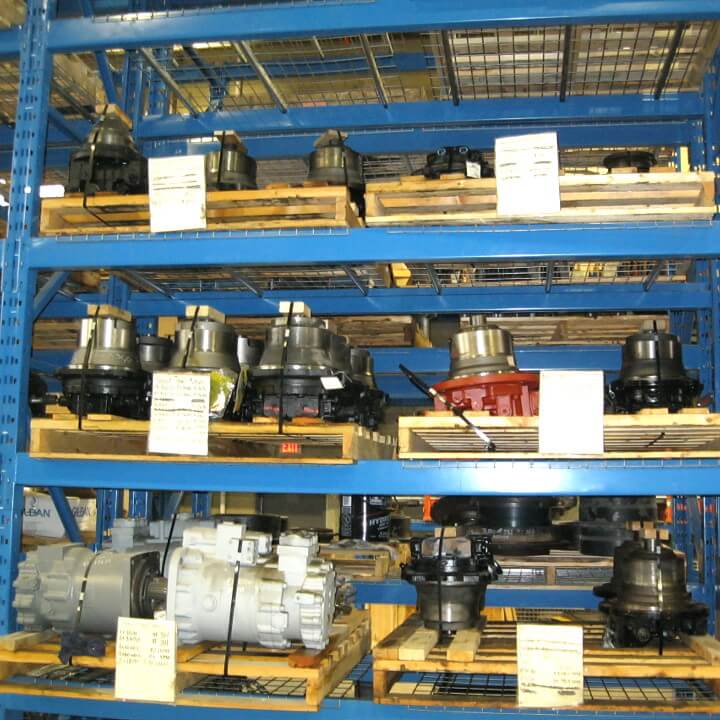
- Extensive Inventory: We offer one of the largest and most diverse inventories of new, rebuilt, and refurbished excavator components and parts in North America, including travel motors. We carry parts for various models, ranging from 20 tons up to the largest mining shovels.
- Expertise and Experience: Our team comprises experienced and knowledgeable staff with mechanical backgrounds, decades of hands-on experience, and a deep understanding of excavator components. We pride ourselves on our integrity and leadership in the excavator industry.
- Quality and Reliability: We prioritize delivering consistently high-quality new excavator components that undergo a thorough pre-delivery inspection before shipping. Our parts are factory replacement parts, built to the industry’s highest standards.
- Minimize Downtime: Our goal is to get you the part you need quickly to get you back to work, minimizing costly downtime. We understand the urgency when machinery fails.
- Customer-Focused Service: We are consistently rated as the number one company for customer service. We are dedicated to solving business owner challenges and adapting our services to deliver the right product.
A weak travel motor can significantly hinder your excavator’s productivity and lead to substantial repair costs. Consequently, when parts eventually wear out, or unforeseen failures occur, knowing where to find high-quality replacement components quickly is crucial.
Don’t let a weak travel motor halt your progress! Contact Langley Excavator Parts Exchange today for expert assistance. Call us toll-free at 1-888-973-8684 or reach out online to find the new, rebuilt, or refurbished parts you need to keep your excavators operating at their peak performance and protect your bottom line!
Frequently Asked Questions
Q1. How can I tell if my travel motor is getting weak?
Common signs include slow or sluggish movement, difficulty climbing grades, jerky or inconsistent travel speed, unusual noises during operation, and visible hydraulic fluid leaks around the final drive housing. If you notice any of these symptoms, have your travel motor inspected promptly.
Q2. How often should I change the gear oil in my final drive?
Most manufacturers recommend changing final drive gear oil every 1,000-2,000 operating hours, depending on operating conditions. Severe duty applications may require more frequent changes. Always consult your operator’s manual for specific recommendations and use the correct oil specification.
Q3. Can using the wrong type of hydraulic fluid really cause my travel motor to fail prematurely?
Absolutely. Using the incorrect type, viscosity, or quality of hydraulic fluid can lead to several problems, including reduced efficiency, poor lubrication, corrosion, and overheating of excavator components. High-quality fluids help prevent thermal and oxidative breakdown and minimize premature wear. If the fluid’s viscosity is improper, it can lead to air gaps, making components work harder and causing them to break down prematurely. Cheaper, lower-quality fluids may also lack additives needed for high-duty cycles, potentially causing costly issues.
Q4. Can a weak travel motor be repaired, or does it need complete replacement?
This depends on the extent of damage and wear. Minor issues like seal replacement or gear oil contamination can often be repaired. However, severe internal damage or excessive wear typically requires rebuilding or replacement. A qualified technician can assess your specific situation and recommend the most cost-effective solution.
Q5. What’s the difference between new, rebuilt, and refurbished travel motors?
New travel motors are factory-fresh components with full warranties. Rebuilt motors are completely disassembled, inspected, and reassembled with new parts and seals, offering near-new performance at reduced cost. Refurbished motors receive targeted repairs and component replacement as needed, providing a budget-friendly option for older equipment.
Q6. How can I prevent premature travel motor failure?
Regular maintenance is key. This includes changing hydraulic fluid and filters on schedule, maintaining proper gear oil levels and condition, avoiding overloading, monitoring operating temperatures, and addressing any performance issues promptly. Following manufacturer recommendations and using quality replacement parts significantly extends travel motor life.
Q7. What brands of new travel motors does Langley Excavator Parts offer?
Langley Excavator Parts Exchange offers the latest new travel motors from leading manufacturers such as Hitachi, Caterpillar, Volvo, and John Deere. We focus on providing high-quality factory replacement parts to ensure the right fit, function, and speed for your excavator. Our inventory combines the world’s best engineering with local parts expertise to deliver consistently high-quality products.