
Excavator Safety Components:
Critical Parts That Protect Your Investment
For any business owner in construction, mining, or forestry, a hydraulic excavator is likely the most significant capital investment on the books. Protecting that investment goes beyond keeping the machine moving — it requires a deep understanding of the safety components that shield your mechanical systems from catastrophic failure, and the person in the operator’s seat from serious harm.
When a safety-critical component fails, the consequences are rarely limited to just one part. A malfunction in the hydraulic system can lead to “erratic failures” that occur without warning, potentially causing accidents or severe structural damage. As experts in the field, Langley Excavator Parts in British Columbia have seen how neglecting small warning signs in these critical systems can lead to project standstills and astronomical repair costs.
This guide walks excavator owners through the most critical safety components on modern hydraulic excavators, explains why only genuine, quality OEM excavator parts should be used when replacements are needed, and shows you why Langley Excavator Parts Inc. is the trusted source for those components across British Columbia and beyond.
Why It Matters
Why Excavator Safety Components Deserve Your Full Attention
Excavators operate in some of the most demanding environments imaginable — unstable ground, deep trenches, congested urban job sites, and extreme weather conditions. Every working day, an excavator imposes enormous forces on its own structure: hydraulic pressures exceeding 5,000 PSI, swing torques that stress slew rings and frames, and boom loads that place tremendous strain on cylinders and pins.
⚠ Critical Risk
When safety components degrade through wear, corrosion, improper repairs, or counterfeit parts, the consequences can be severe. Operator injuries, costly equipment damage, job-site shutdowns, and legal liability are all possible outcomes of neglected safety systems.
Proactive maintenance and the use of quality excavator parts are, therefore, not just best practices; they are business imperatives. As experts in the field, Langley Excavator Parts in British Columbia have seen how neglecting small warning signs in these critical systems can lead to project standstills and astronomical repair costs. This guide walks excavator owners through the most critical safety components on modern hydraulic excavators, explains why only genuine, quality OEM parts should be used for replacements, and shows you why Langley Excavator Parts Inc. is the trusted source for those components across British Columbia and beyond.
System 01
The Operator’s Command Center: Cabin Safety and Visibility
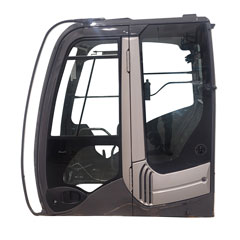
The excavator cab is far more than just a place to sit — it is the primary safety interface between the operator and the environment. For owners of modern Hitachi, John Deere, Caterpillar, Volvo, and Link-Belt machines, ensuring the cabin is in top condition is the first step in a comprehensive safety program.
The cab structure of a modern excavator is not simply a weather enclosure. It is an engineered safety zone. Two critical certifications govern cab protection:
ROPS
Designed to create a survival space for the operator if the machine tips or rolls on a slope. Mandatory for all modern excavators working on grade or uneven terrain.
FOPS
Guards the operator against debris, rocks, or materials that may fall from heights. Especially critical in demolition and quarry applications where overhead hazards are constant.
A safe cabin must have functional displays and monitors to provide real-time data on the machine’s health. Furthermore, air filters must be kept clean to ensure the operator is breathing fresh air, which reduces fatigue and improves focus. Visibility is equally critical: windshield wipers, climate control, and exterior lighting must be inspected regularly to ensure the operator can see obstacles clearly in all weather conditions.
✓ Best Practice
Utilizing genuine excavator parts for cabin refurbishments ensures that these systems meet original factory specifications for safety and ergonomics. Aftermarket cab components may not meet certified ROPS/FOPS load ratings — creating a hazard that looks fine from the outside.
System 02
Structural Integrity: The Vital Importance of Crack Detection
The boom and arm of an excavator are under constant stress from vibration, impact, and metal fatigue. As excavator parts experts, we cannot stress enough the importance of daily visual inspections for cracks, especially around high-stress areas like the bucket corners, pin points, and weld seams.
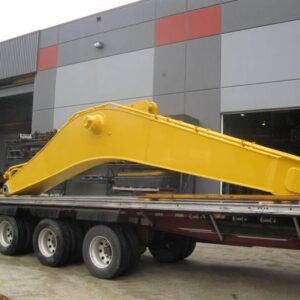
“Even a tiny crack, which might look like a simple line of grease, can indicate the beginning of a major structural failure.”
If left unaddressed, these cracks can lead to the boom or arm buckling during a heavy lift, posing a lethal risk to anyone near the machine. Regular cleaning of the machine makes these inspections easier, as dirt and mud can easily hide these “silent killers.”
⚠ Daily Requirement
Perform a visual inspection for cracks every day, ideally during your regular greasing routine. Pay close attention to the boom radius, bucket corners, and pin connection points where metal fatigue concentrates most. When structural wear is detected, replacing worn bushings and pins with quality excavator parts can prevent excessive movement that further stresses the metal.
System 03
Hydraulic Power: Managing the “Heart” of Your Machine
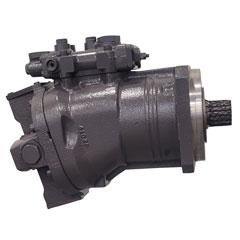
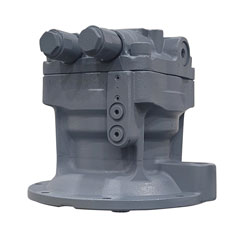
The hydraulic pump is essentially the heart of the excavator, responsible for moving the fluid that provides the pressure and power for every task. A failure here isn’t just a mechanical issue, it’s a safety risk. For instance, if a pump fails while a load is suspended, it could lead to an uncontrolled drop. Key components to monitor include:
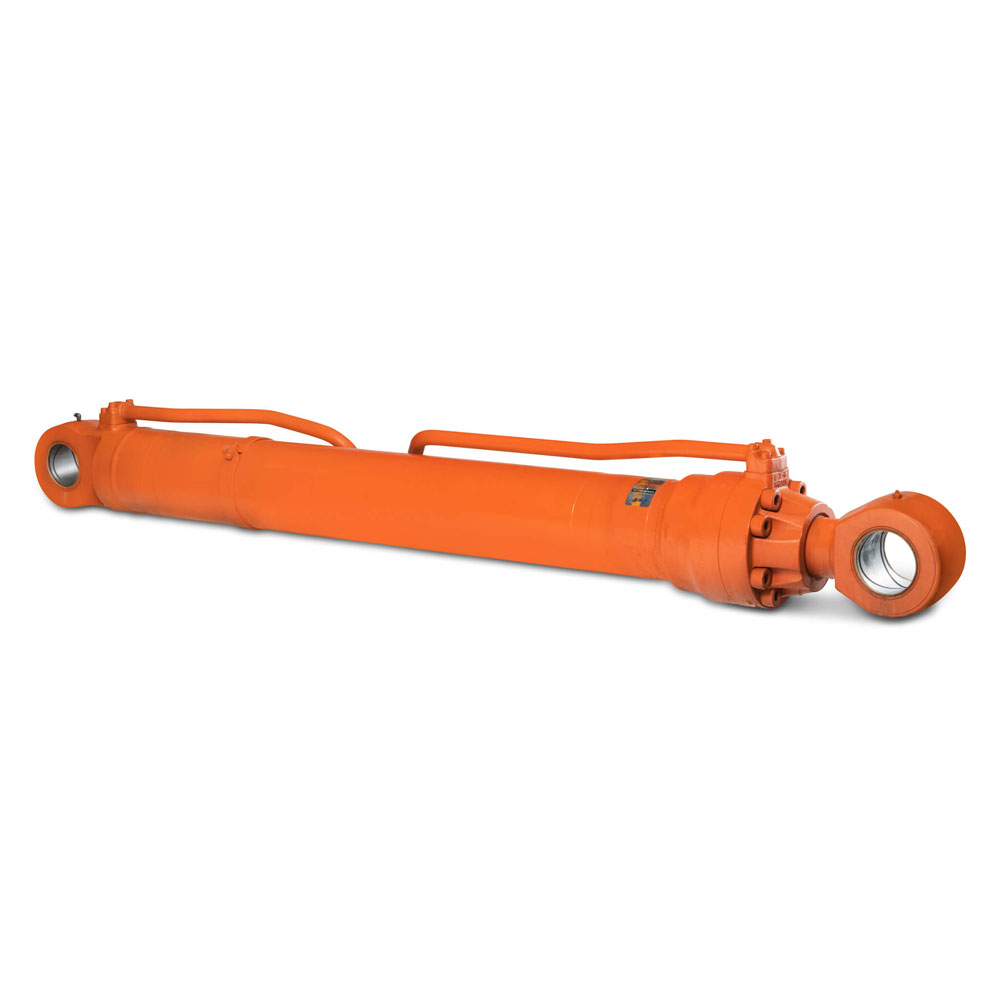
- Hydraulic cylinders (boom, arm, bucket, blade): Worn seals cause internal and external leaks. A cylinder that bleeds down under load can cause the boom or bucket to drop unexpectedly, creating a serious crush hazard.
- Hydraulic hoses and fittings: High-pressure hoses degrade from heat cycling, abrasion, and age. A hose failure at operating pressure can inject hydraulic fluid into skin at lethal velocity — a condition known as hydraulic injection injury.
- Pressure relief valves: These prevent system over-pressurization. A stuck or worn relief valve can allow pressures to exceed the design ratings of cylinders and motors, leading to catastrophic component failure.
⚠ Warning Signs to Listen For
Operators should be trained to listen for unusual banging or knocking sounds, which often indicate air in the system or cavitation. These issues can cause the pump to overheat, damaging internal seals and potentially contaminating the entire hydraulic system with debris. Ensuring your excavator is equipped with OEM parts for its hydraulic system keeps pressure regulation within the manufacturer’s safe operating parameters.
System 04
Precision Movement: Cylinders, Linkage, and Pins
Seamless movement is required for the precision work excavators perform daily. The boom, stick, and bucket cylinders must provide consistent and predictable control. If a cylinder develops a leak or its seals fail, the machine loses its “pinpoint control,” which can lead to accidental collisions on the job site.
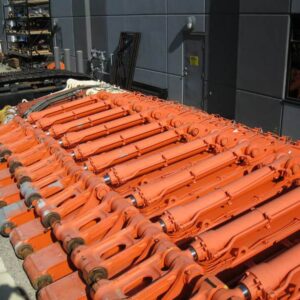
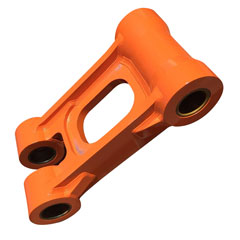
Maintaining the linkage, including H-links and side links, is equally vital. These components must be built to exact specifications to ensure the proper extension and contraction of the bucket. Using sub-standard pins or bushings can lead to dangerous “play” in the arm, reducing the operator’s ability to move the machine safely and accurately.
⚙ Maintenance Interval
Grease all linkage pin points every 8 hours of operation. This simple but critical practice prevents excessive wear, maintains precision control, and extends the life of expensive structural components. It takes minutes and can prevent thousands of dollars in damage.
System 05
Stability and Mobility: The Undercarriage and Travel System
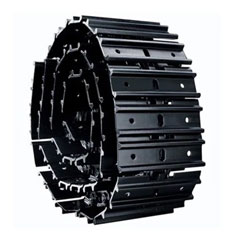
A weak travel motor or improperly tensioned tracks can compromise the stability of the entire machine, especially when working on slopes or in muddy conditions.
Too Loose
Tracks that are too loose risk coming off entirely, leaving the machine stranded in a dangerous position — potentially on a slope or directly over a trench.
Too Tight
Over-tensioned tracks put unnecessary pressure on bearings and final drives, leading to premature and unexpected failure at the worst possible moment.
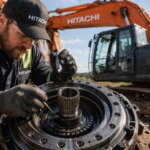
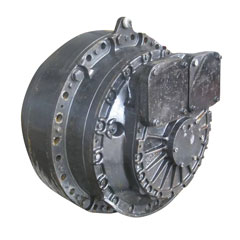
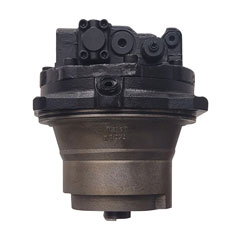
The final drive and travel motor work as an integrated system to provide the torque necessary for safe movement. Owners must monitor these for gear oil leaks and unusual noises. For machines from Caterpillar, Volvo, and Link-Belt, maintaining the undercarriage with quality excavator parts, sprockets, track chains, and rollers, is essential for ensuring the machine remains stable and mobile under heavy loads.

System 06
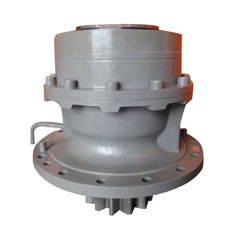
Safe Rotation: Rotec Bearings and Swing Gearboxes
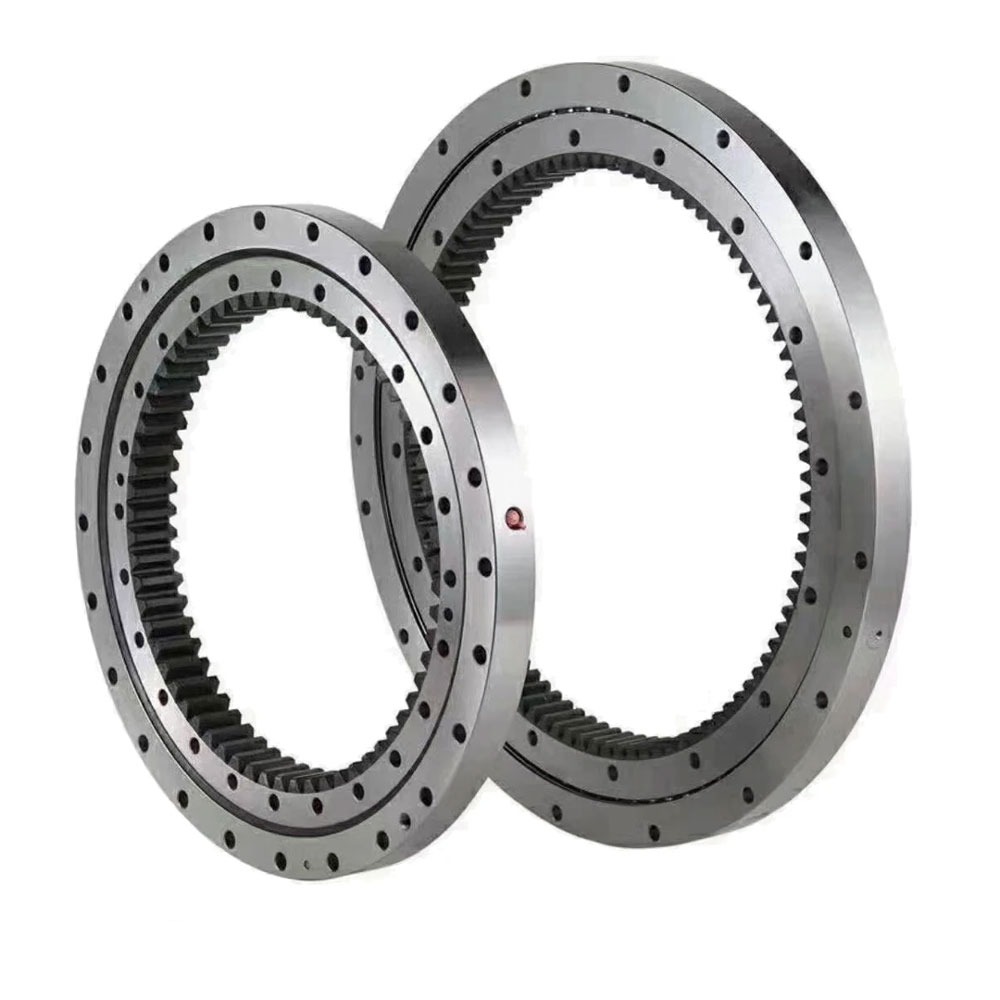
The Rotec bearing (or slewing ring) allows the upper house of the excavator to rotate independently of the tracks. This is one of the most expensive and critical components to replace. Safety issues arise when there is excessive “play” or movement in the bearing, which can make the machine’s rotation jerky and unpredictable.
- Frequent lubrication with extreme-pressure grease is required to purge contaminants from the bearing race and prevent accelerated wear.
- The torque of the bolts securing the bearing must be checked regularly, especially in high-vibration applications such as demolition or hard rock excavation.
- A failure in the swing gearbox or Rotec bearing can lead to a complete loss of rotation control, creating a significant hazard for ground crews working around the machine.
Often Overlooked
The Role of Fluids: Lubrication as a Safety Barrier
It might seem like a simple maintenance task, but using the correct hydraulic fluid and grease is a fundamental safety requirement. Low-quality fluids often lack the additives needed to withstand high-duty cycles, leading to thinning at high temperatures. This can result in “air gaps” that cause components to work harder and fail prematurely.
⚠ Seasonal Risks
Summer: Heat can “cook” hydraulic oil, damaging seals and gaskets and contaminating the entire system with debris. Winter: Incorrect viscosity can cause the system to become sluggish or freeze entirely — compromising operator control at the most critical moments.
✓ Solution
By using genuine excavator parts, including manufacturer-approved filters and high-quality synthetic greases, you ensure that your machine’s safety systems remain fully responsive regardless of the environmental conditions.
Parts Quality
The Critical Importance of Genuine and OEM Excavator Parts
Every excavator manufacturer, Hitachi, John Deere, Caterpillar, Volvo, and Link-Belt, engineers its machines as integrated systems. A hydraulic hose is sized for a specific flow rate and pressure. A relief valve is calibrated to open at a precise threshold. A slew ring is heat-treated to carry defined radial and axial loads. When a safety-critical component is replaced with a substandard part, the entire system is only as reliable as that weakest link.
OEM excavator parts are manufactured to the same drawings, material specifications, and quality standards as the parts originally installed at the factory. Rebuilt and refurbished OEM components, when properly reconditioned, restore components to like-new performance standards. The risks of non-genuine parts include:
- Premature failure due to inferior materials or dimensional inaccuracies
- Voiding of manufacturer warranties and operator certifications
- Hydraulic system incompatibility leading to erratic, unpredictable machine behaviour
- Reduced structural protection from ROPS and FOPS structures that do not meet certified load ratings
For safety components in particular, there is no acceptable trade-off between cost and quality. A $200 saving on a counterfeit hydraulic hose assembly is meaningless measured against the cost of a high-pressure injection injury, a rollover incident, or an uncontrolled boom drop.
Understanding Part Types at a Glance
| Part Type | Description | Safety Use |
|---|---|---|
| OEM / Genuine | Produced by the manufacturer or contracted supplier to exact factory specifications and quality standards. | Recommended |
| Rebuilt / Refurbished | Used components disassembled, inspected, and reconditioned with new seals and bearings to restore like-new performance. Cost-effective and reliable. | Recommended |
| Aftermarket | Third-party manufactured without OEM direct involvement. Quality varies widely — may be suitable for non-safety wear items only (e.g., bucket teeth). | Safety: Caution |
About Us
Why Turn to Langley Excavator Parts for Your Safety Needs?
When it comes to sourcing the parts that protect your investment and your people, you need a partner with a proven track record. Since 1977, Langley Excavator Parts has been a leader in the industry, founded on the principles of honesty, integrity, and quality.
We specialize in providing new, OEM, rebuilt, and refurbished excavator parts for the brands you trust, including Hitachi, John Deere, Caterpillar, Volvo, and Link-Belt. Our team of experts has decades of hands-on mechanical experience, allowing us to help you find the exact part you need — from cabs and cylinders to final drives and hydraulic pumps.
Our Process
Each part we sell undergoes a rigorous pre-delivery inspection to ensure it meets the highest industry standards. We also invest in custom-built shipping pallets to ensure your components arrive in perfect condition, no matter where in the world you are located.
Frequently Asked Questions
What Owners Ask Us Most
Protect Your Crew and
Your Equipment Today
Don’t wait for a preventable breakdown to compromise the safety of your job site. Whether you need a new surplus cab for a Hitachi or a rebuilt travel motor for a John Deere, we have the inventory and expertise to get you back to work quickly.