Many key functions on your excavator can be affected by the harsh Canadian climate. Cold weather can impact the wear of your excavator’s undercarriage by causing severe freeze-ups, metal & rubber stress, or accelerated component wear on the machine’s undercarriage.
When you’re dealing with snow and cold, the last thing you want is a malfunction. The undercarriage supports the machine’s weight, allows for smooth movement, and ensures stability on even the toughest terrain; proper maintenance can save you thousands in operating costs and reduce unexpected downtime.
Cold Weather Impacts:
Cold weather introduces several significant risks for an excavator’s undercarriage, primarily due to freezing mud, brittle metal, and thickened lubricants.
Key Effects of Cold Weather
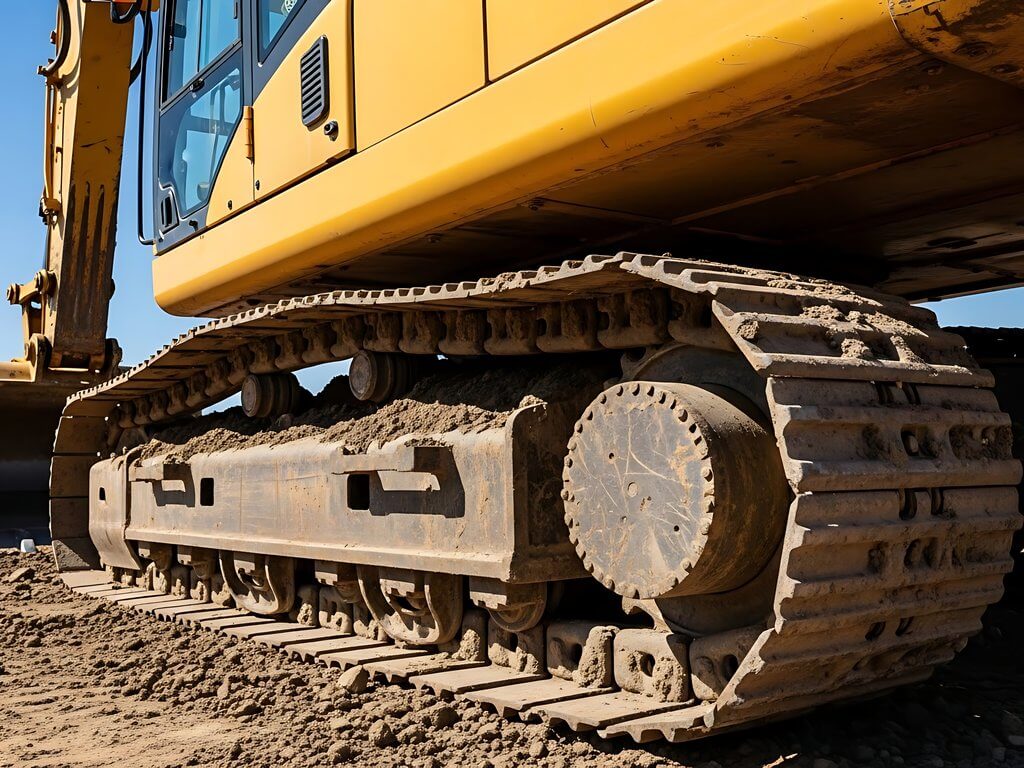
1. Concrete-like mud freezing: Wet soil, clay, and snow packed into the tracks during a shift can freeze solid overnight. This creates a hardened mass around rollers, idlers, and sprockets, resembling concrete.
2. Roller and idler seizing: Frozen debris can prevent the bottom and carrier rollers from turning. Trying to move the machine while the rollers are frozen can cause flat spots on the rollers and put excessive strain on the track chain.
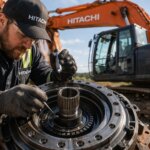
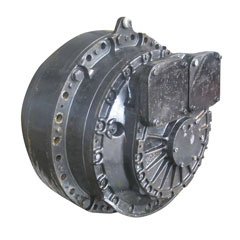
3. Final drive and seal damage: Forcing frozen tracks can rupture the floating seals in the final drive, leading to oil leaks and costly mechanical failures.
4. Metal embrittlement: Steel components and rubber or polyurethane tracks become brittle in low temperatures, reaching the ductile-to-brittle transition temperature. This makes them considerably more vulnerable to cracking or snapping under shock loads.
5. Stiffened track tension: Cold temperatures cause track adjusters and metal components to contract or stiffen, changing track sag and exerting significant pressure on pins and bushings.
6. Frozen tracks to the ground: If the excavator is parked on wet soil or in puddles, the tracks can freeze solidly to the ground overnight.
7. Salt brine corrosion: The use of winter road treatments or salt brines can accelerate rust and cause metal fatigue due to moisture exposure.
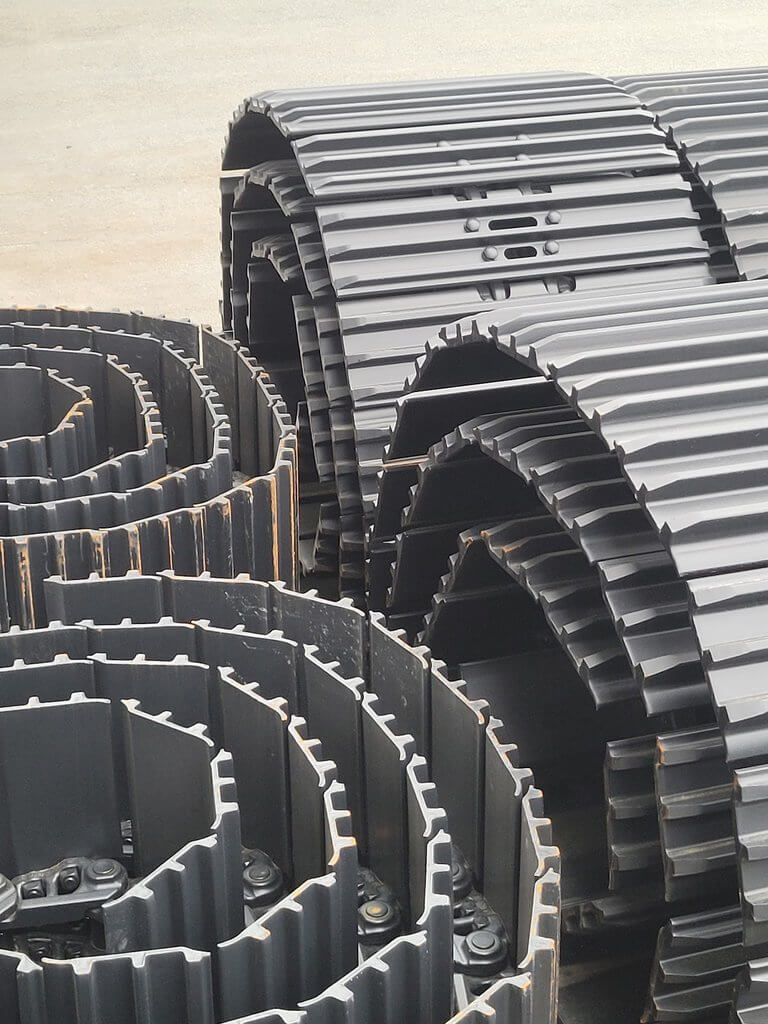
How to protect my excavator’s undercarriage from cold weather?
Your excavator’s undercarriage issues can account for over half of maintenance costs. Therefore, it’s essential to take steps to ensure the longevity of your undercarriage, helping you avoid the hassle of costly repairs.
Here’s a clear checklist of preventive measures to protect your undercarriage from cold weather:
Step 1: Clean Daily
After each use, wash out the undercarriage, track frames, and rollers with a pressure washer or scraper before the mud can freeze.
Step 2: Avoid Forcing Frozen Tracks
If the undercarriage is iced up, use a portable torpedo or bullet heater, or another safe thawing method, to melt the ice instead of forcing the tracks.
Step 3: Inspect Hardware and Seals
Check daily for any cracked sprockets, loose bolts, leaking seals, and brittle rubber components.
Step 4: Switch Lubricants
Use low-temperature synthetic grease and winter-grade final drive oils that won’t thicken excessively in freezing temperatures.
Undercarriage Lifespan
The average lifespan of an excavator undercarriage is around 4,000 to 6,000 hours of operation, depending on whether the undercarriage receives regular cleaning, proper operation, and routine maintenance.
Lifespan by Operating Conditions:
Severe Service (demolition, hard rock, or abrasive dirt): 2,500 to 4,000 hours
Moderate Service (standard dirt and mixed soil): 4,000 to 6,000 hours
Light Service (soft soil with careful operation): Can extend beyond 6,000 hours
Lifespan of Individual Undercarriage Parts:
Rollers and Sprockets: 3,000 to 5,000 hours
Idlers: 2,000 to 4,000 hours
Track Shoes: Up to 10,000 hours
Track chains: 2,000 to 5,000 hours. (The more silica in the dirt where you work, the quicker the chains will wear out.)
Key Factors That Affect Lifespan:
Terrain: Working on sharp rocks, concrete, or abrasive gravel wears out metal components much faster than soft dirt.
Operator Habits: Constantly making sharp pivot turns, speeding, or working on steep slopes accelerates track and roller wear.
Maintenance: Failing to clean out packed mud, ignoring proper track tension, or letting seal/oil leaks go unnoticed shortens component life.
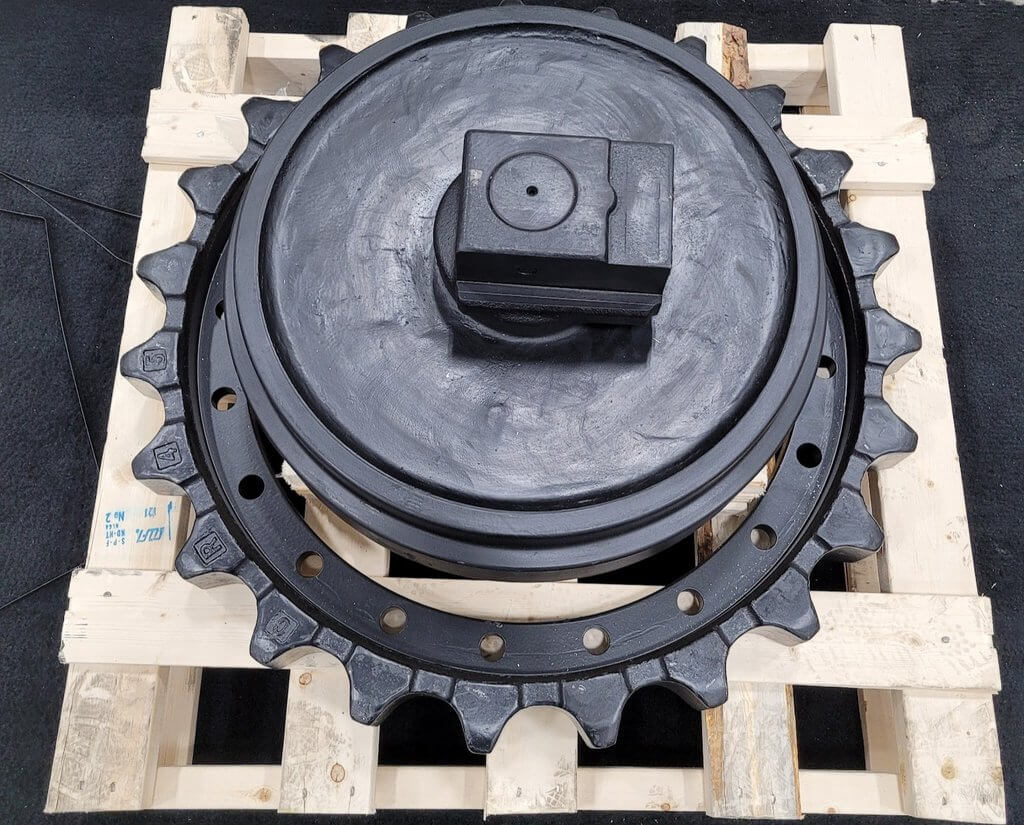
Wear and Maintenance
In addition to winter wear, there are other ways your undercarriage can begin to show signs of wear. The key is knowing where to look on your machine and understanding the real indicators of wear.
Signs and Symptoms of Undercarriage Wear
Rollers: Excessive noise, vibration or oil leaks are common indicators.
Idlers: Watch for unusual noises, misaligned tracks or surface damage.
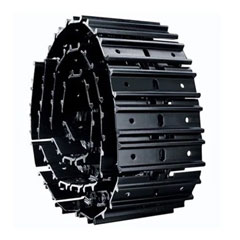
Sprockets: Inspect for worn or broken teeth, chain skipping or uneven wear.
Track chains: Signs include link elongation, pin and bushing wear or track sag.
Track shoes: Look for thinning, cracks or loss of traction.
Maintenance Tips for Excavator Undercarriages
- Maintain correct track tension to prevent excessive wear on the chains, sprockets and other components.
- Inspect undercarriage components every 500 hours.
- Clean the undercarriage before transporting to reduce increased wear.
- Limit sharp turns and unnecessary pivoting on hard surfaces to prevent undue stress.
Common factors affecting undercarriages
Neglecting timely servicing, inspections, and adjustments allows wear on your machines, reducing the lifespan and efficiency of your undercarriage system. Here are some operating habits & techniques for long-lasting undercarriage parts.
Improper Track Tension: Tracks that are too tight strain bushings, sprockets, and seals; tracks that are too loose cause misalignment, wandering, and de-tracking.
Turning & Counter-Rotation: Pivot turns, sharp counter-rotation, or continuously turning in only one direction create severe side loads and asymmetrical wear.
High-Speed & Reverse Travel: Travelling at high speeds or spending excessive time in reverse increases friction, heat, and wear on pins, bushings, and sprockets.
Digging & Load Positioning: Working consistently over the side of the tracks rather than the front or rear idlers concentrates stress onto fewer rollers and links.
Job Site & Ground Conditions
Where you’re using your machines also has a lasting effect on your excavator’s undercarriage. Working in sharp rocks, gravel, concrete, or demolition debris accelerates the wear of tracks, rollers, and shoes.
With other factors like:
• Slopes and Uneven Terrain: Operating continuously across hills or sloped ground places heavy lateral loads on one side of the idlers, rollers, and guide lugs.
• Debris & Mud Buildup: Wet clay, dirt, and mud can pack into the undercarriage assembly, increasing track resistance, burning extra fuel, or freezing solid overnight.
• Corrosion & Road Salt: Exposure to moisture, road chemicals, and mud leads to rust and structural weakening over time.
This is why it’s important to take note of the particular terrain you work in so you can adjust your preventative/protection actions accordingly.
Undercarriage at Langley Excavator Parts
At LEP, our high-quality OEM undercarriage parts are here to last. If you have any questions relating to which excavator undercarriage part you need, we’re here to help.
Toll free phone: +1 (888) 530-5444
Phone: (604) 256-3367
Email: [email protected]